Acute abdomen
Small bowel obstruction needs urgent assessment, not watchful waiting.
Left untreated it can result in serious complications, including tissue death and perforation of the bowel. Symptoms typically develop over hours to days.
FRCSEd (General Surgery)Five clinics in Singapore
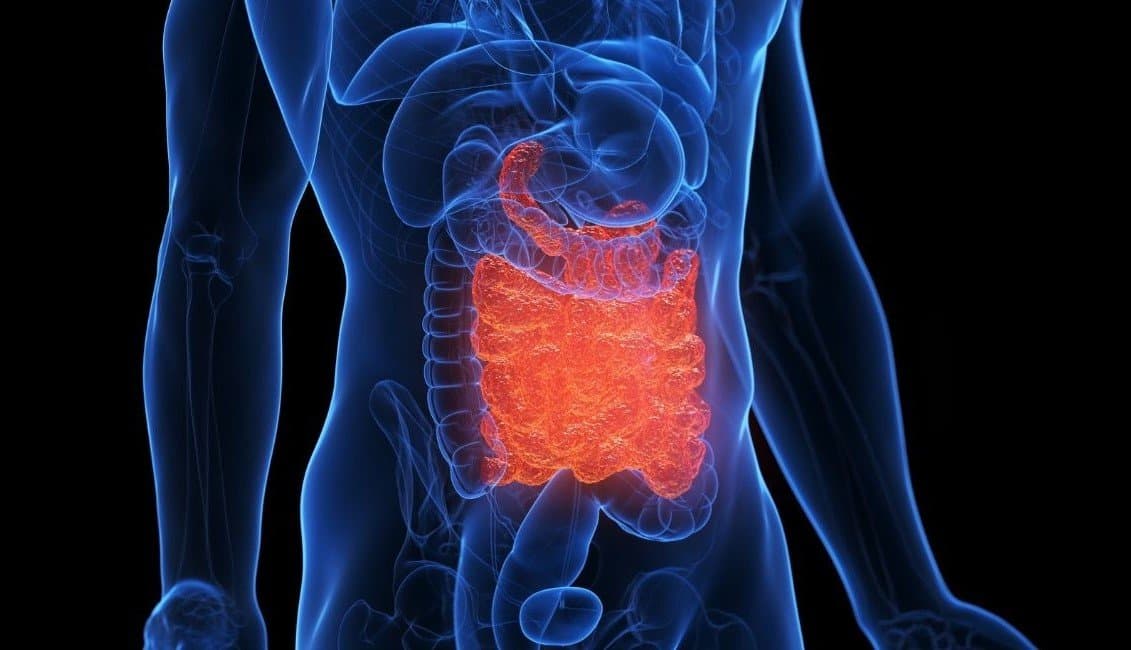
In short
Blocked
What is happening
The normal flow of digestive contents through the small intestine is blocked, either partially or completely.
Hours to days
How it comes on
Symptoms typically develop over hours to days, and the pain may intensify as the obstruction progresses.
Perforation
Why it is not watched
Left untreated, it can result in serious complications, including tissue death and perforation of the bowel.
Within hours
When it is an emergency
If the blood supply is compromised as well, the lack of blood flow can lead to rapid tissue death and perforation.
What every patient should know
Small bowel obstruction, what every patient should know
Hours to days
How the symptoms build
Small bowel obstruction typically presents with a combination of symptoms that develop over hours to days. The blockage prevents the normal passage of food, fluids, and gas through the intestines, leading to the accumulation of contents above the blocked area.
Source: Dr Sulaiman Bin Yusof, clinical practice
The intestine is blocked
Partially or completely
Contents accumulate
Food, fluids and gas, above the blocked area
Pain and vomiting
Which is usually what brings someone in
The bowel wall is at risk
Tissue death and perforation, if it is left
Left untreated, small bowel obstruction can result in serious complications, including tissue death and perforation of the bowel.
CT scan
What establishes the cause
Computed tomography provides detailed images of the bowel, identifying the location and cause of obstruction. The scan can also show complications like perforation or compromised blood supply.
Source: Dr Sulaiman Bin Yusof, clinical practice
Within hours
When it becomes a surgical emergency
When the blood supply to the bowel becomes compromised along with the obstruction, that represents a surgical emergency, as the lack of blood flow can lead to rapid tissue death and bowel perforation within hours.
Source: Dr Sulaiman Bin Yusof, clinical practice
His story
Dr Sulaiman Bin Yusof
Senior Consultant Colorectal and General Surgeon, seeing patients at five clinics in Singapore.
- MBChB (Sheffield), M.Med (Surgery), FRCSEd (General Surgery)
- Consults in English and Malay
- MOH Fellowship, Peter MacCallum Cancer Centre, Melbourne
- Singapore Health Quality Service Star Award 2023
- Dean's Honour Roll for Teaching
Five clinics across Singapore
ORCHARD / NAPIER
Gleneagles Medical Centre
6 Napier Road #06-08, Singapore 258499
NOVENA
Mount Elizabeth Novena
38 Irrawaddy Road, #10-48/49, Singapore 329563
JOO CHIAT / EAST COAST
Parkway East Hospital
#05-08, 319 Joo Chiat Place, Singapore 427989
THOMSON
Mount Alvernia Hospital
#08-62, Medical Centre D, 820 Thomson Road, Singapore 574623
FARRER PARK
Farrer Park Medical Centre
#14-12, 1 Farrer Park Station Road, Singapore 217562
What it is
A small bowel obstruction is a blockage in the small intestine, and what collects behind it.
Small bowel obstruction occurs when the normal flow of digestive contents through the small intestine is blocked, either partially or completely.
This blockage prevents the normal passage of food, fluids, and gas through the intestines, leading to the accumulation of contents above the blocked area. The condition can cause severe abdominal pain and vomiting and, if left untreated, can result in serious complications, including tissue death and perforation of the bowel.
A blockage in the colon rather than in the small intestine behaves differently, comes on more slowly and is caused by different things. It is covered on the large bowel obstruction page.
This is why a small bowel obstruction is assessed rather than watched. What is eventually at risk is not only the passage of food through the intestine, but the wall of the bowel itself.
Symptoms
It arrives over hours to days, and it changes as it worsens.
Small bowel obstruction typically presents with a combination of symptoms that develop over hours to days.
Severe crampy pain with vomiting and no passage of gas or stool should be assessed rather than waited out, because an untreated obstruction can lead to tissue death and perforation of the bowel.
Crampy pain in waves
Typically centred around the navel
The pain intensifies
As the obstruction progresses
Vomiting becomes more frequent
And more severe, as the obstruction worsens
Nothing passes at all
Which indicates a total blockage
Abdominal pain
Crampy, intermittent pain occurs in waves, typically centred around the navel and may intensify as the obstruction progresses.
Vomiting
The blockage leads to bile-stained vomit, providing temporary relief from nausea. As the obstruction worsens, vomiting can become more frequent and severe.
Abdominal distension
The abdomen becomes visibly swollen due to the accumulation of gas and fluid above the obstruction, creating a sensation of fullness or tightness.
Absence of bowel movements
A complete inability to pass gas or stool indicates a total blockage of the intestinal passage.
Loss of appetite
Nausea and an inability to tolerate food are common, with even small amounts of liquid or solid food becoming intolerable.
Causes and risk factors
Several different conditions cause a small bowel obstruction.
Small bowel obstruction can result from a variety of underlying conditions.
Adhesions
Scar tissue bands can form connections between sections of the intestine or other abdominal structures. These adhesions may twist, constrict, or compress the bowel, causing an obstruction.
Hernias
Weak spots in the abdominal wall allow parts of the intestine to protrude, where they may become trapped, restricting blood flow or blocking the passage of intestinal contents.
Inflammatory bowel disease
Chronic inflammation, such as Crohn's disease, can thicken or narrow the bowel wall, disrupting the normal flow of food and waste.
Tumours
Growths, whether cancerous or benign, can obstruct the bowel by compressing it externally or blocking it internally, depending on its location and size.
Foreign bodies
Ingested objects can become lodged in the small intestine, particularly in areas already narrowed. These may include food particles, non-food items, or gallstones that have entered the intestinal tract.
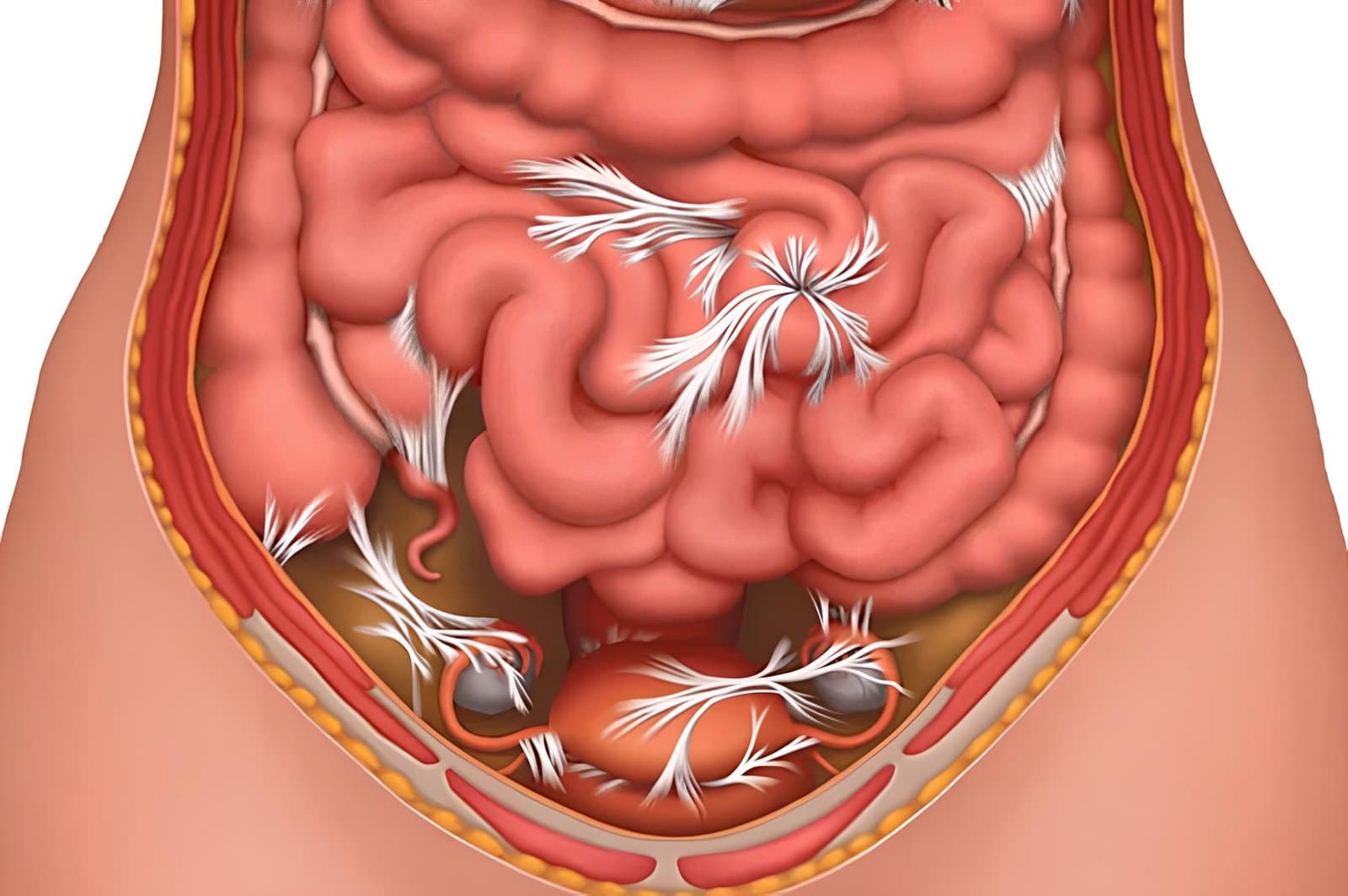
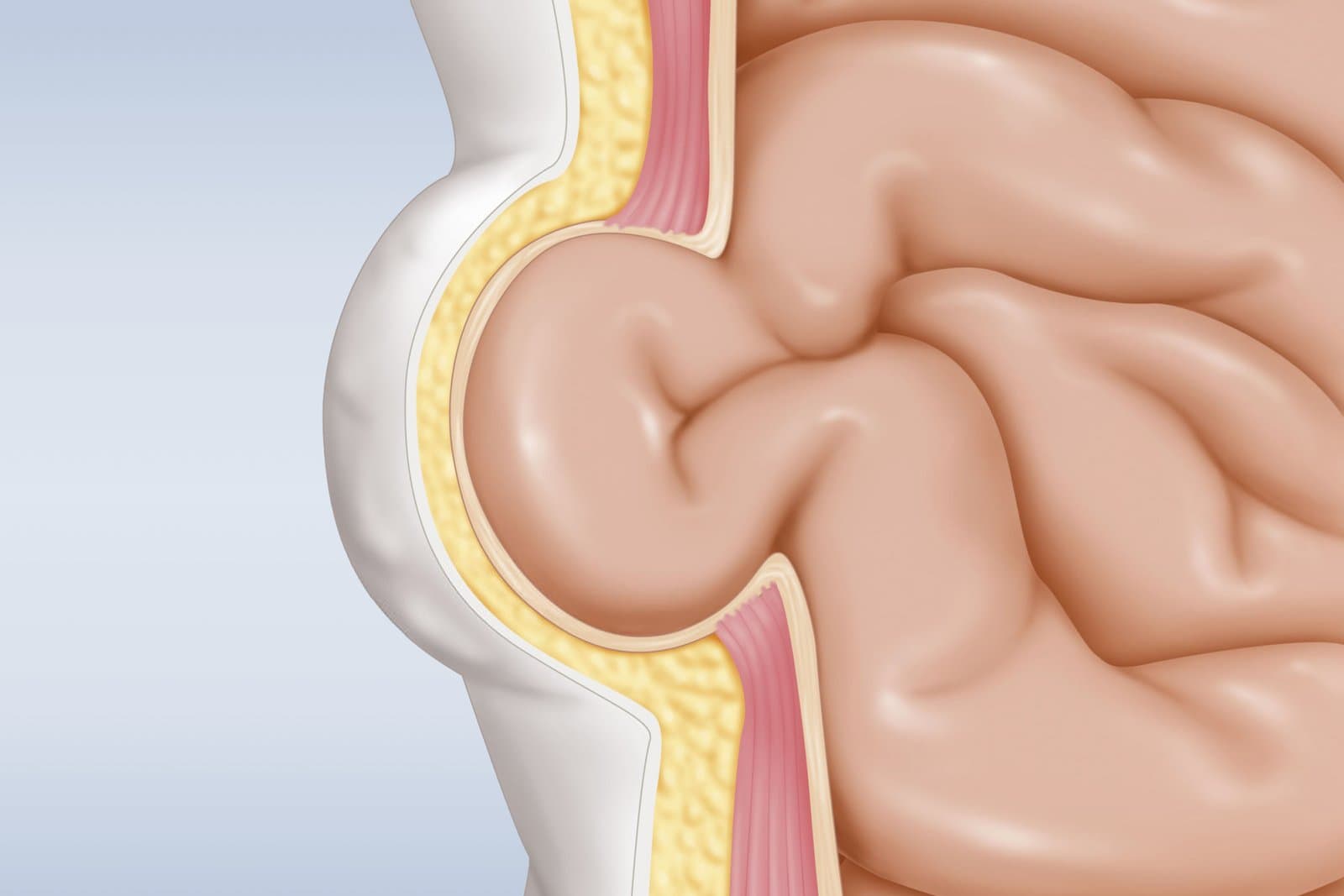
Adhesions are bands of scar tissue, and early mobilisation after abdominal surgery is what helps prevent them forming.
Scar tissue inside the abdomen after previous surgery is covered on the intra-abdominal adhesions page.
The two hernias most likely to trap a loop of intestine have their own pages as well: inguinal hernia and umbilical hernia.
Among the inflammatory bowel diseases, Crohn’s disease is the one he names here. Tumours of the large bowel, and how they are found and staged, are covered on the colorectal cancer page.
Types
Which type of small bowel obstruction it is decides both the treatment and the urgency.
Small bowel obstruction presents in different forms based on the nature and extent of the blockage.
Mechanical obstruction
A physical blockage prevents intestinal contents from passing. This occurs when something physically blocks or compresses the bowel lumen, such as adhesions, hernias, or tumours. The blockage can be partial or complete, affecting treatment decisions and urgency.
Functional obstruction
The bowel loses its normal coordinated muscle contractions. This type occurs due to nerve or muscle problems rather than physical blockage. It often develops after surgery or with certain medications that affect bowel motility.
Obstruction with a compromised blood supply
The blood supply to the bowel becomes compromised along with the obstruction. This represents a surgical emergency, as the lack of blood flow can lead to rapid tissue death and bowel perforation within hours.
A blockage can be partial or complete, and which one it is affects both the treatment decision and how urgently it has to be made.
Diagnosis
An examination first, then the images that establish the cause.
Four assessments establish that the bowel is obstructed, where the blockage sits, what has caused it, and how unwell the obstruction has already made you.
Physical examination
The doctor examines the abdomen for distension, tenderness, and bowel sounds. This initial assessment includes checking for surgical scars, hernias, and signs of peritonitis that may indicate bowel compromise.
Abdominal X-ray
Plain abdominal X-rays show dilated loops of small bowel and air-fluid levels characteristic of obstruction. These images help determine the level and severity of the blockage.
CT scan
Computed tomography provides detailed images of the bowel, identifying the location and cause of obstruction. The scan can also show complications like perforation or compromised blood supply.
Blood tests
Laboratory studies assess for dehydration, infection, and organ function. These tests help determine the severity of the condition and guide treatment decisions.
The X-ray establishes that the bowel is obstructed, and roughly where and how badly. The CT scan establishes why, and whether anything has already gone wrong behind the blockage.
Peritonitis, which the examination looks for signs of and which a perforation can lead to, is covered on the peritonitis page.
Treatment options
From resting the bowel to freeing or removing the blocked segment.
What is done depends on the type of obstruction, on what has caused it, and on whether the blood supply to that segment of bowel is still intact.
Bowel rest
Complete restriction of oral intake allows the bowel to decompress naturally. This approach includes the placement of a nasogastric tube to remove accumulated fluid and gas.
Intravenous fluids
Fluid therapy corrects dehydration and electrolyte imbalances caused by vomiting and reduced intake. Regular monitoring of fluid status guides the volume and type of fluids needed.
Pain management
Medications help control abdominal pain while avoiding those that may further slow bowel function. Regular assessment ensures adequate pain control without masking warning signs.
Adhesiolysis
This procedure removes adhesions that are causing the obstruction. The choice between open surgery and minimally invasive laparoscopy depends on the size, extent, and location of the adhesions. Laparoscopy is typically preferred for its smaller incisions and faster recovery.
Bowel resection
When the bowel's blood supply is compromised or the tissue is severely damaged, the affected segment of the intestine is surgically removed. The healthy ends are then joined together to restore continuity and function. This procedure is necessary to prevent further complications, such as infection or perforation.
Hernia repair
Surgical correction of hernias that trap portions of the bowel involves repositioning the trapped intestine and repairing the abdominal wall defect. This repair reduces the risk of recurrence and restores the bowel's normal function.
5 to 7 days
Usual hospital stay
Recovery time varies depending on the procedure performed and whether it was done openly or laparoscopically. Most patients remain in hospital for 5 to 7 days and require 4 to 6 weeks for full recovery. Diet advancement follows a careful progression from clear liquids to a full diet, with each stage requiring tolerance before progressing to more substantial foods, typically over several days.
Source: Dr Sulaiman Bin Yusof, clinical practice
Repairing a hernia through keyhole surgery, which is one of the six approaches above, is covered on the laparoscopic hernia repair page. Removing a segment of the large bowel and rejoining the healthy ends is covered on the laparoscopic hemicolectomy page.
Whether you are Singaporean, a Permanent Resident or a foreigner, the clinic team can advise on using an Integrated Shield Plan or corporate insurance.
Prevention and management
Most of prevention here is managing what would have caused it.
Prevention focuses on minimising risk factors when possible, particularly in patients with previous abdominal surgery.
Early mobilisation after surgery helps prevent adhesion formation. Patients with known hernias should seek repair before complications develop. Those with inflammatory bowel disease require regular monitoring and management of their condition to prevent stricture formation. Regular follow-up allows for early detection and management of potential complications.
About 30%
May have a second episode within five years
Small bowel obstruction can come back, particularly in cases caused by adhesions. About 30% of patients may experience another episode within 5 years of the initial occurrence, which is why regular follow-up matters after one, and why symptoms that suggest an obstruction are worth acting on early in anyone who has had abdominal surgery before.
Source: Dr Sulaiman Bin Yusof, clinical practice
Scar tissue inside the abdomen after previous surgery is covered on the intra-abdominal adhesions page, and repairing a hernia before it traps anything is covered on the laparoscopic hernia repair page.
Three different groups of people, one instruction each. Move early after abdominal surgery. Have a known hernia repaired before it causes trouble. And if you have inflammatory bowel disease, keep the monitoring you already have.
Common questions
Questions about small bowel obstruction.
How long does recovery take?
Recovery time varies depending on the procedure performed and whether it was done openly or laparoscopically. Most patients remain in hospital for 5 to 7 days and require 4 to 6 weeks for full recovery.
When can I eat normally again?
Diet advancement follows a careful progression from clear liquids to a full diet. Each stage requires tolerance before progressing to more substantial foods, typically over several days.
Can a small bowel obstruction come back?
Yes, particularly in cases caused by adhesions. About 30% of patients may experience another episode within 5 years of the initial occurrence. Source: Dr Sulaiman Bin Yusof, clinical practice.
What is the difference between a mechanical and a functional obstruction?
In a mechanical obstruction a physical blockage prevents intestinal contents from passing. In a functional obstruction the bowel loses its normal coordinated muscle contractions.
When does a small bowel obstruction become an emergency?
When the blood supply to the bowel becomes compromised along with the obstruction. That represents a surgical emergency, as the lack of blood flow can lead to rapid tissue death and bowel perforation within hours. Even without that, an untreated obstruction can result in serious complications, including tissue death and perforation of the bowel, which is why severe abdominal pain with vomiting and no passage of gas or stool is assessed rather than waited out.
Get it looked at
Crampy pain in waves, vomiting, and nothing passing? Do not wait it out.
Consult Dr Sulaiman for an assessment and a personalised treatment plan today. Appointments are available across five clinic locations in Singapore, and self-referrals are welcome.