Irritable bowel syndrome
Irritable bowel syndrome, or IBS, causes no permanent bowel damage.
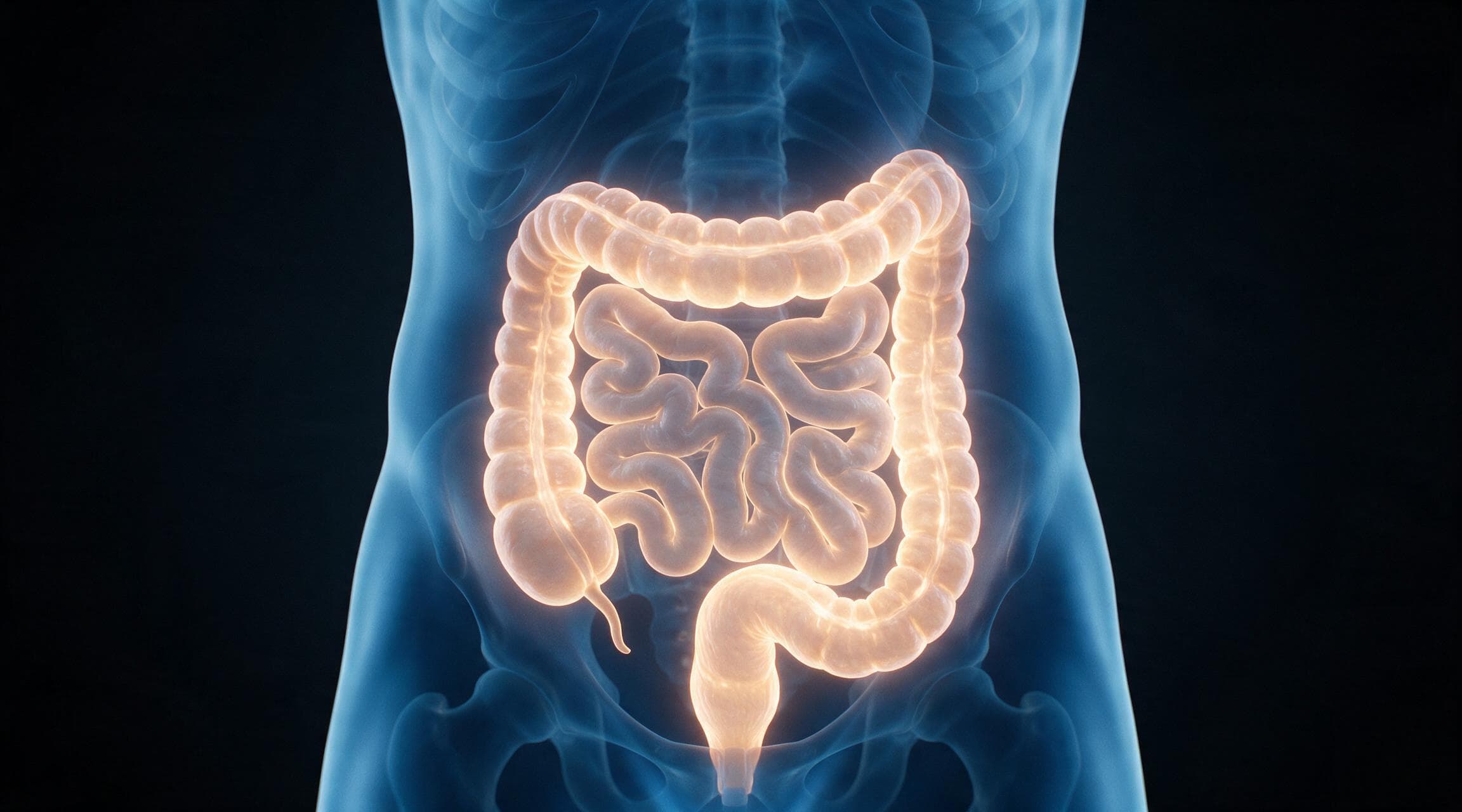
It is a common gastrointestinal disorder that affects the intestine, causing symptoms such as abdominal pain, cramping, bloating, diarrhoea and constipation. IBS can be uncomfortable and it can persist for years, but it does not cause permanent intestinal damage and it does not increase the risk of serious conditions like colon cancer. As a chronic condition, it requires long-term symptom management rather than a single course of treatment. IBS treatment therefore works on the symptoms and the triggers, diet and a symptom diary as much as medication, once tests have ruled other conditions out; bloating and flatulence are part of that picture.
FRCSEd (General Surgery)Five clinics in Singapore
In short
10 to 15%
How common it is here
The share of Singaporeans estimated to have irritable bowel syndrome, consistent with global prevalence rates. It is more common here than many people realise.
No damage
What it does not do
IBS can be uncomfortable, but it does not cause permanent intestinal damage and it does not increase the risk of serious conditions such as colon cancer.
Chronic
How long it lasts
It can persist for years or even a lifetime, and symptoms come and go. As a chronic condition it is managed over the long term rather than cured in one visit.
Ruled out
How it is diagnosed
There is no single test for IBS. The diagnosis rests on your history, the pattern of your symptoms, the Rome criteria, and tests that exclude other conditions.
IBS in Singapore, the key figures
IBS in Singapore, the key figures
10 to 15%
Of Singaporeans are estimated to have IBS
Source: Dr Sulaiman Bin Yusof, clinical practice
Roughly how common IBS is in Singapore
- Adults with IBS
- 10 to 15%
Source: Dr Sulaiman Bin Yusof, clinical practice
20 to 45
The age range it most commonly affects
Source: Dr Sulaiman Bin Yusof, clinical practice
His story
Dr Sulaiman Bin Yusof
Senior Consultant Colorectal and General Surgeon, seeing patients at five clinics in Singapore.
- MBChB (Sheffield), M.Med (Surgery), FRCSEd (General Surgery)
- Consults in English and Malay
- MOH Fellowship, Peter MacCallum Cancer Centre, Melbourne
- Singapore Health Quality Service Star Award 2023
- Dean's Honour Roll for Teaching
Symptoms
The pattern matters more than any one symptom.
IBS symptoms vary among individuals, but the following are common.
Abdominal pain and cramping
Recurrent abdominal pain often improves after bowel movements. The pain varies in intensity and usually occurs in the lower abdomen.
Bloating and gas
Bloating and excessive gas are common, particularly after meals, due to gas buildup in the intestines.
Diarrhoea or constipation
IBS can cause persistent diarrhoea, constipation, or alternating episodes of both. Individuals often report stools of varying consistency and may feel incomplete evacuation after bowel movements.
Mucus in the stool
Some individuals may notice white or clear mucus in their stool, which is less commonly seen in other gastrointestinal conditions.
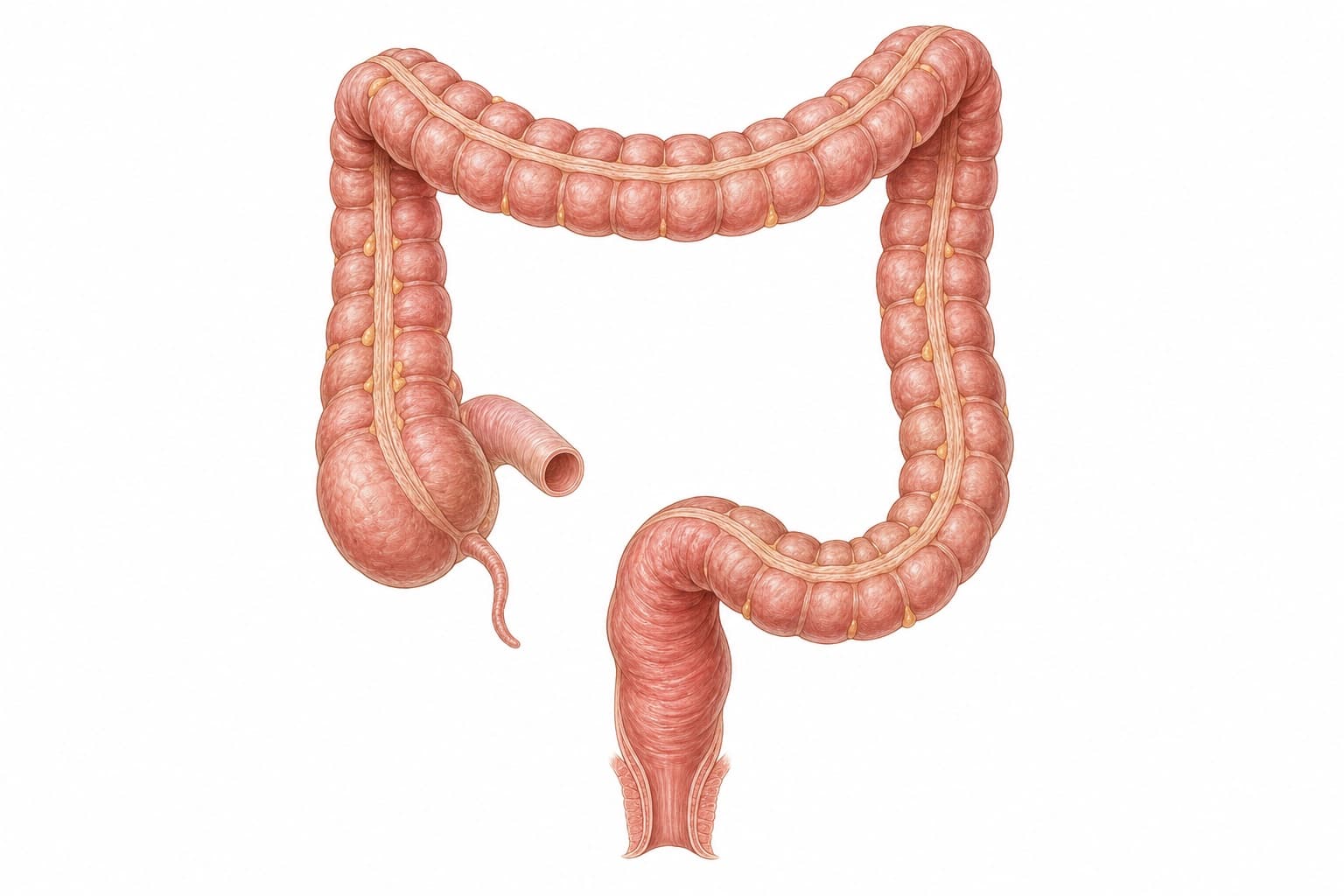
Having these symptoms does not mean something serious is going on. It means the question is worth answering properly. IBS does not cause permanent intestinal damage and it does not increase the risk of serious conditions like colon cancer, and knowing that with certainty is worth more than suspecting it.
What causes it
The exact cause is unclear, and that is the honest answer.
The exact cause of irritable bowel syndrome is unclear, but several factors may contribute to its development.
How the intestinal muscles contract
The intestinal muscles may contract too forcefully or too weakly, leading to diarrhoea or constipation.
The nerves controlling the intestines
Abnormalities in the nerves controlling the intestines may result in heightened sensitivity, causing pain or discomfort during digestion.
Gut bacteria and past infection
An imbalance in gut bacteria or a history of bacterial infection may contribute to IBS symptoms such as gas and irregular bowel movements.
Not knowing the single cause does not stop the condition being managed. Treatment for IBS works on the symptoms and the triggers, which is why the diary and the diet matter as much as the medication.
Diagnosis
There is no single test, so the diagnosis is built in steps.
Diagnosing IBS typically involves reviewing medical history, evaluating symptoms, and conducting tests to rule out other conditions.
Medical history
Past problems, medications, family history
Symptom assessment
The pattern of pain, bowels and triggers
The Rome criteria
A structured framework for the diagnosis
Tests to exclude
Blood, stool or imaging, to rule other things out
1 day a week
The Rome criteria threshold
Source: Dr Sulaiman Bin Yusof, clinical practice
Medical history
The patient's medical history is assessed to identify previous gastrointestinal issues, chronic conditions, medications, or family history of digestive disorders. This helps rule out other conditions and offers insight into the patient's current symptoms.
Symptom assessment
A doctor will assess the patient's symptoms, focusing on patterns of abdominal pain, bowel movements, and their triggers. This step ensures the symptoms align with IBS rather than another gastrointestinal disorder.
The Rome criteria
The Rome Criteria require abdominal pain at least one day per week for three months, accompanied by changes in stool frequency or form. These criteria provide a structured framework for diagnosing IBS based on consistent symptoms.
Tests that rule other conditions out
Blood tests, stool tests, or imaging studies may be used to rule out gastrointestinal issues such as celiac disease, inflammatory bowel disease or infections. This ensures that IBS is not mistaken for other conditions with similar symptoms.
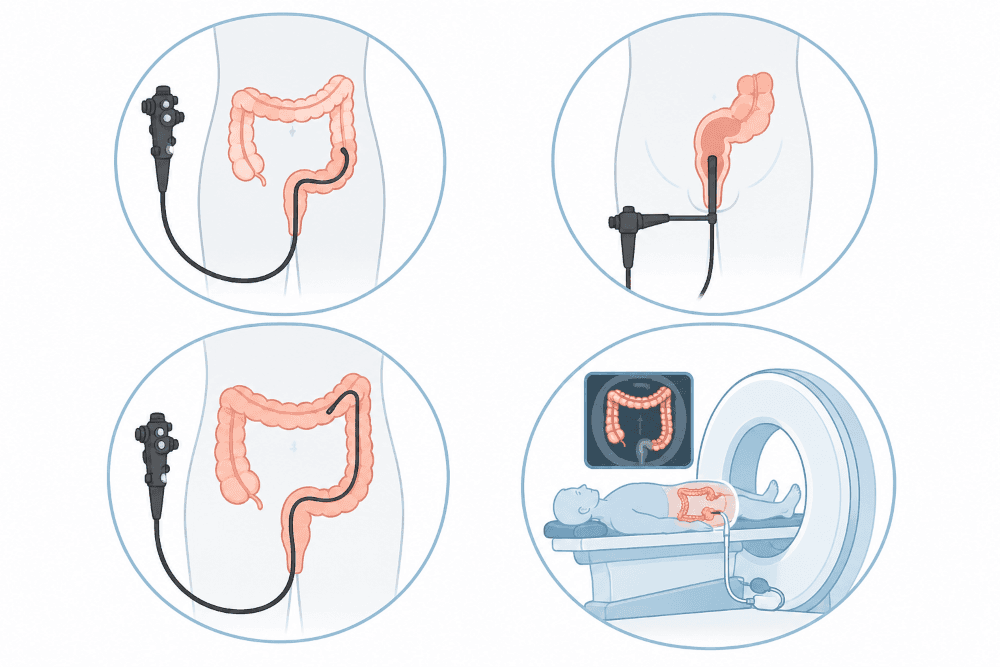
Ruling things out is not a formality. Celiac disease, inflammatory bowel disease and infections can all look like IBS from the outside, and they are treated very differently.
The full range of conditions Dr Sulaiman assesses and treats is set out on the what he treats page, and his training and appointments are on his about page.
Treatment
Treatment is built around your own symptoms, not a single protocol.
Managing IBS involves a combination of dietary, medical, and lifestyle approaches to reduce symptoms. These include the following.
Five levers
What treatment actually works with
Source: Dr Sulaiman Bin Yusof, clinical practice
A low-FODMAP diet
Many individuals with IBS find relief by following a low-FODMAP diet, which limits certain fermentable carbohydrates that can cause bloating, gas, and discomfort. These carbohydrates can be found in dairy products, wheat, onions, garlic, and certain fruits. Avoiding them can lead to symptom improvement.
Antispasmodic medication
Antispasmodic medications reduce intestinal muscle spasms, providing relief from cramping and abdominal pain. They are often used before meals to prevent symptom flare-ups triggered by eating.
Laxatives
Laxatives are beneficial for individuals with constipation-predominant IBS by stimulating bowel movements and softening stool. They can be taken regularly or as needed to promote more consistent bowel habits.
Anti-diarrhoeal medication
Anti-diarrhoeal medications like loperamide slow bowel movements, reducing the frequency of diarrhoea. These medications help control urgency and allow individuals to manage their symptoms more effectively.
Probiotics
Probiotics support a healthy gut microbiome by introducing beneficial bacteria, which may help reduce bloating, gas, and irregular bowel movements. Different strains of probiotics have varying effects, so individuals may need to experiment to find the most effective one.
Managing flare-ups
Most of the work happens outside the clinic.
While IBS cannot be fully prevented, managing dietary habits can reduce the frequency and severity of flare-ups.
Write down what you eat
Meal by meal
Note when symptoms flare
And how bad
Look for the pattern
Over a few weeks
Test removing it
One thing at a time
Avoiding trigger foods
While IBS cannot be fully prevented, managing dietary habits can reduce the frequency and severity of flare-ups. Avoiding the foods that set your own symptoms off is the first of those habits.
Adjusting fibre intake
Adjusting fibre intake based on symptoms is a helpful strategy. What helps constipation-predominant IBS is not always what helps when diarrhoea is the dominant symptom, which is why the adjustment is guided by what you are actually experiencing.
Staying hydrated
Staying hydrated is the third of the dietary habits that reduce how often flare-ups happen and how severe they are.
Keeping a food and symptom diary can also aid in identifying specific triggers. It is the cheapest diagnostic tool available for this condition, and it is the one that only you can run.
Common questions
The questions that come up in consultation.
Does IBS ever go away?
IBS is a chronic condition that can persist for years or even a lifetime. Symptoms may come and go, but many individuals learn to manage flare-ups through lifestyle changes and medication.
Can medication trigger or worsen IBS?
Yes, some medications, including antibiotics, antidepressants, and pain relievers, may trigger or worsen IBS symptoms. It is important to discuss any medication changes with an IBS specialist to avoid flare-ups.
Does IBS get worse with age?
IBS does not necessarily worsen with age, but symptoms may fluctuate over time. Some individuals experience improvement with effective management, while others may notice changes due to lifestyle or other health conditions.
Does IBS increase my risk of colon cancer?
No. IBS can be uncomfortable and it can be persistent, but it does not cause permanent intestinal damage and it does not increase the risk of serious conditions such as colon cancer. That is one of the reasons a confirmed diagnosis is worth having rather than living with the uncertainty, because the reassurance only counts once other conditions have actually been ruled out.
What tests are done before IBS is diagnosed?
Diagnosing IBS involves reviewing your medical history, assessing the pattern of your symptoms, and running tests to rule out other conditions. Blood tests, stool tests or imaging studies may be used to exclude gastrointestinal problems such as celiac disease, inflammatory bowel disease or an infection. The Rome criteria are then applied, which require abdominal pain at least one day per week for three months alongside changes in stool frequency or form. IBS is a diagnosis that is confirmed, not assumed.
Book a consultation
IBS is manageable once it is properly identified. Identifying it means ruling out what looks like it.
If your symptoms are affecting your quality of life, book a consultation for an assessment and a personalised treatment plan. IBS is manageable once it is properly identified, and identifying it means ruling out the conditions that look like it. Appointments are available across five clinic locations in Singapore, and self-referrals are welcome.