Gallbladder removal in Singapore
Laparoscopic gallbladder removal can be done as day surgery in Singapore.
Laparoscopic gallbladder removal, or cholecystectomy, is the standard surgical treatment for gallstones and related gallbladder conditions in Singapore.
FRCSEd (General Surgery)Five clinics in Singapore
In short
- Keyhole
- How it is done
- Day surgery
- Or a single overnight stay
- 1 to 2 weeks
- Back to light activity
- Claimable
- MediSave and Integrated Shield
Cost and insurance
What it costs, and what pays for it.
Gallbladder removal is MediSave-claimable (source: CPF Board, using MediSave for hospitalisation, opens in a new tab) for eligible Singaporeans and Permanent Residents, and most Integrated Shield Plans cover it when medically needed. The team arranges pre-authorisation and cashless billing, so no deposit is usually needed once a Letter of Guarantee is issued. Corporate policies are accepted too.
What can pay for it
- MediSave
- Integrated Shield Plans, where medically needed
- Corporate insurance
Cash to pay, after MediSave and insurance
$ ___
It depends on your MediSave balance and your policy. The clinic confirms it in writing before the operation.
What a gallbladder removal is billed at
- Median bill, private hospital inpatientHalf of patients were billed below this and half above.
- $21,157
- The middle half of bills
- $19,363 to $23,802
MOH's 2023 bills (source: Ministry of Health, Singapore, fee benchmarks and bill information for SF801G, opens in a new tab), including GST, before insurance and MediSave.
Integrated Shield Plans






Corporate insurance













MediSave, Integrated Shield Plans, and private or corporate insurance may apply, subject to policy eligibility. The clinic team will check your coverage before any treatment is planned.
His story
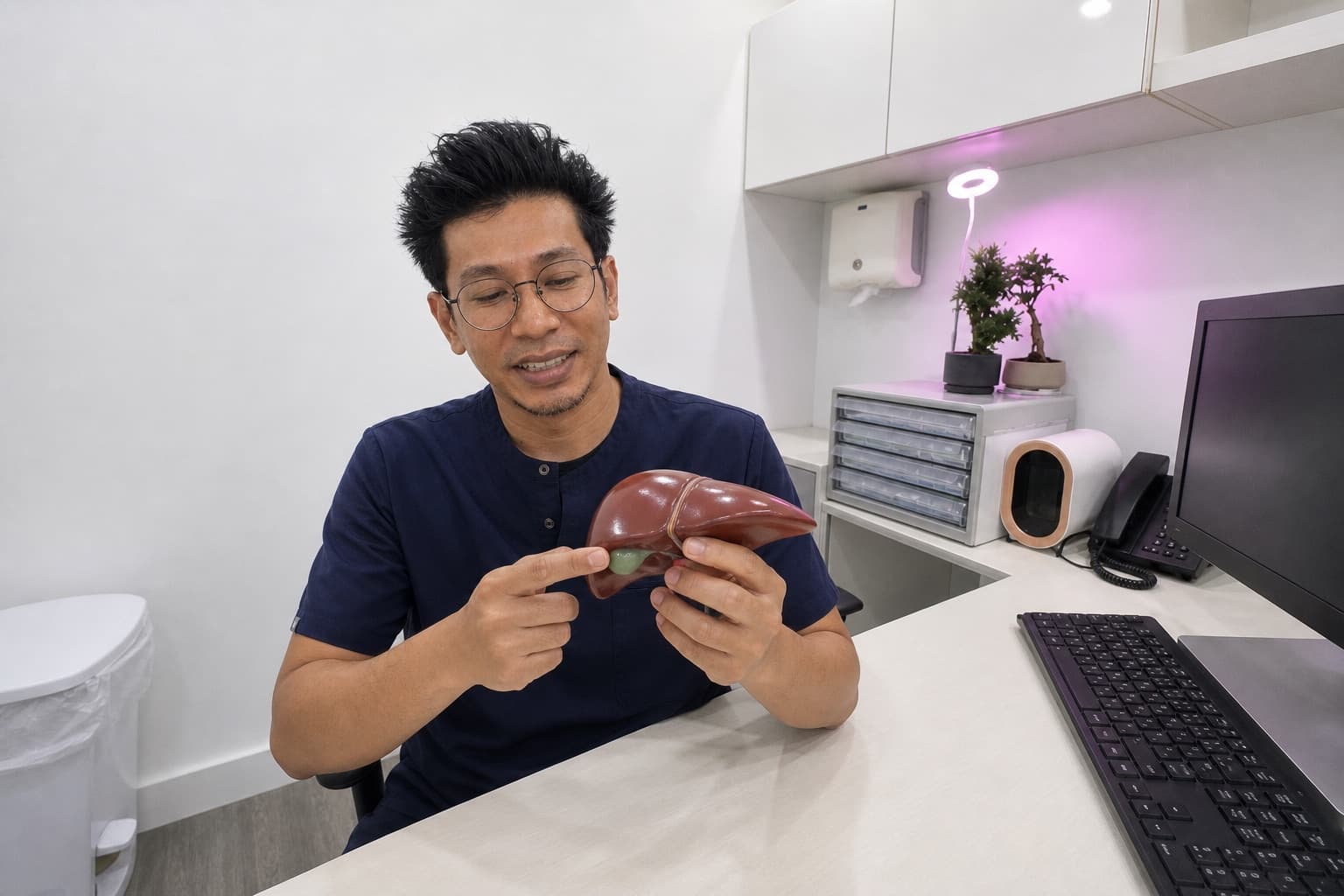
Dr Sulaiman Bin Yusof
Senior Consultant Colorectal and General Surgeon, seeing patients at five clinics in Singapore.
- MBChB (Sheffield), M.Med (Surgery), FRCSEd (General Surgery)
- Consults in English and Malay
- MOH Fellowship, Peter MacCallum Cancer Centre, Melbourne
- Singapore Health Quality Service Star Award 2023
- Dean's Honour Roll for Teaching
Five clinics across Singapore
ORCHARD / NAPIER
Gleneagles Medical Centre
6 Napier Road #06-08, Singapore 258499
NOVENA
Mount Elizabeth Novena
38 Irrawaddy Road, #10-48/49, Singapore 329563
JOO CHIAT / EAST COAST
Parkway East Hospital
#05-08, 319 Joo Chiat Place, Singapore 427989
THOMSON
Mount Alvernia Hospital
#08-62, Medical Centre D, 820 Thomson Road, Singapore 574623
FARRER PARK
Farrer Park Medical Centre
#14-12, 1 Farrer Park Station Road, Singapore 217562
What to know before the operation
What to know before the operation
45 to 90
Minutes in theatre
How long a laparoscopic gallbladder removal usually runs in theatre.
Source: Dr Sulaiman Bin Yusof, clinical practice
Asleep
General anaesthesia, with vital signs monitored
Three or four small cuts
Each less than a centimetre across
The gallbladder comes out
Lifted into a bag and drawn through one incision
Closed, and home
Same day, or after a single night
Gallstones cannot be dissolved with medication, and dietary change will not remove stones that have already formed.
3 to 4
Incisions, each under 1cm
The number of keyhole incisions the operation needs, against the single 5 to 7cm incision an open cholecystectomy requires.
Source: Dr Sulaiman Bin Yusof, clinical practice
4 to 6 weeks
Back to a full normal diet
Fatty, fried and greasy food is avoided for the first one to two weeks, then the normal diet is reintroduced gradually over the weeks that follow.
Source: Dr Sulaiman Bin Yusof, clinical practice
When surgery is needed
Gallstones announce themselves after a meal, and then go quiet again.
Gallstones typically cause sudden, severe pain in the upper right abdomen. The pain often begins 30 to 60 minutes after a fatty meal and may radiate to the right shoulder or upper back.
Pain with fever, chills, or yellowing of the skin or eyes needs A&E the same day, not a scheduled clinic visit.
Warning signs that may point to a gallbladder problem
Upper right or middle abdominal pain, particularly after meals
Pain that spreads to the right shoulder or upper back
Nausea or vomiting during pain episodes
Persistent bloating or indigestion after fatty foods
Yellowing of the skin or the whites of the eyes, known as jaundice
Dark urine or pale stools
If the pain is severe, constant, and accompanied by fever, the gallbladder may be acutely inflamed. Unlike a typical gallstone attack, this pain does not ease within a few hours. Go to A&E, or contact Dr Sulaiman’s clinic directly. Acute cholecystitis typically requires surgery, sometimes on an urgent basis.
What each symptom may mean, and what to do about it
| Symptom | What it could mean | What to do |
|---|---|---|
| Upper right abdominal pain after meals | Gallstone attack | Book a consultation |
| Pain radiating to the right shoulder or back | Gallstone pressing on surrounding structures | Book a consultation |
| Nausea or vomiting | Gallbladder inflammation | Book a consultation |
| Fever with abdominal pain | Possible infection, acute cholecystitis | Go to A&E |
| Yellowing of skin or eyes | Bile duct blockage | Go to A&E immediately |
| Dark urine or pale stools | Bile duct blockage | Go to A&E immediately |
| Persistent bloating after fatty meals | Gallbladder dysfunction | Book a consultation |
What it is
Removing the gallbladder, through cuts about a centimetre wide.
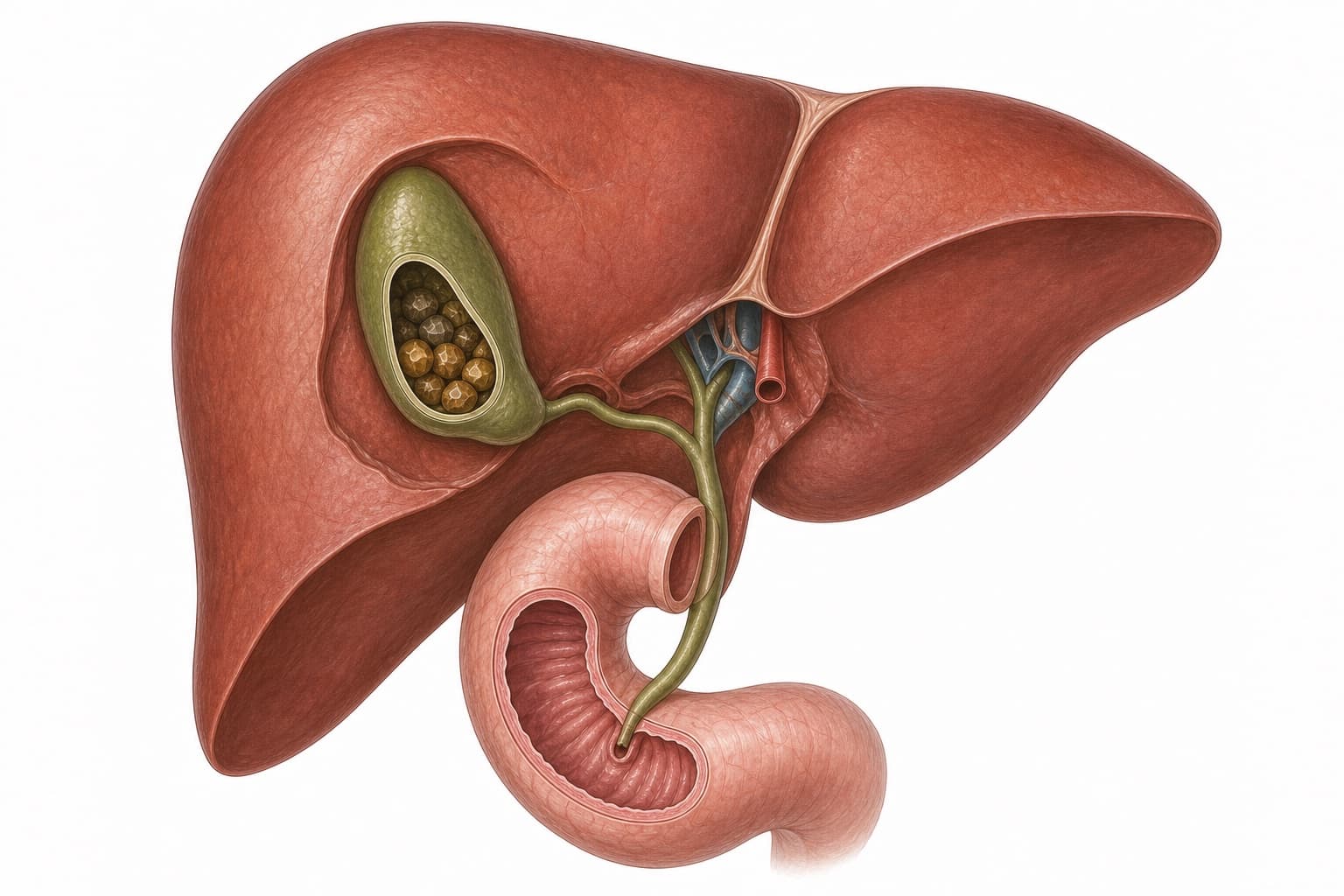
Laparoscopic gallbladder removal, or laparoscopic cholecystectomy, is a minimally invasive surgical procedure that removes the gallbladder.
Who needs a laparoscopic gallbladder removal
Gallstones
Solid particles that form in the gallbladder and can block bile flow, causing pain, infection, or inflammation. Gallstones are the most common reason for laparoscopic gallbladder removal in Singapore.
Acute cholecystitis
Inflammation of the gallbladder caused by a stone blocking the cystic duct, resulting in persistent pain and infection. Untreated, this carries a risk of rupture and requires surgical removal of the gallbladder.
Biliary dyskinesia
A condition in which the gallbladder contracts abnormally, causing pain and digestive symptoms even when no stones are present. It is typically diagnosed through a HIDA scan.
Gallbladder polyps
Growths on the inner wall of the gallbladder. Polyps larger than 10mm, or those that are symptomatic or increasing in size, may require gallbladder removal to exclude the possibility of malignancy.
Keyhole or open
The same organ comes out. The difference is what it costs you in time.
Laparoscopic gallbladder removal offers several advantages over open cholecystectomy.
| Comparison | Laparoscopic | Open surgery |
|---|---|---|
| Incision size | 3 to 4 cuts, each less than 1cm | Single incision of 5 to 7cm |
| Hospital stay | Day surgery or 1 night | 2 to 5 nights |
| Recovery time | 1 to 2 weeks | 4 to 6 weeks |
| Return to desk work | 5 to 7 days | 3 to 4 weeks |
| Pain level | Mild, usually managed with paracetamol | Moderate to significant |
| Scarring | Minimal | More prominent |
How long before desk work, keyhole against open surgery
- Keyhole
- 5 to 7 days
- Open surgery
- 3 to 4 weeks
Source: Dr Sulaiman Bin Yusof, clinical practice
Ten marks stand for four weeks.
Scope and gallbladder surgery, one specialist, one visit
Dr Sulaiman can perform a gastroscopy in the same operating session as laparoscopic gallbladder surgery.
If you also have persistent acid reflux, chronic indigestion or a suspected peptic ulcer, both can be dealt with in the same session under one anaesthetic, which means one hospital admission instead of two. That comes out of his years as Director of Endoscopy at Changi General Hospital, where colonoscopy screening and gastroscopy were daily work.
He also performs colorectal cancer surgery, treats anal fistula and perianal abscess, and repairs hernias laparoscopically. More about Dr Sulaiman.
Preparing
Most of the preparation happens at the consultation, not on the day.
Proper preparation is necessary prior to laparoscopic gallbladder removal to ensure a successful operation.
Tell Dr Sulaiman about every medication you take, including blood thinners, diabetes medication and over-the-counter supplements, at your pre-operative consultation.
Fasting requirements before your operation
Patients are usually required to fast before surgery, beginning the night before and abstaining from all food and drink to ensure an empty stomach for the procedure.
What to arrange on the day of surgery
Arrange for a family member or friend to drive you home, because you will not be cleared to drive on the day of your operation. Wear loose, comfortable clothing and leave jewellery and valuables at home. Bring your pre-admission documents, any letters of guarantee from your insurer, and a written list of your current medications. Report to the day surgery suite at your assigned arrival time.
On the day
What actually happens once you are in theatre.
A laparoscopic gallbladder removal involves several steps, and they run in the same order every time.
01
Anaesthesia
Asleep, with vital signs watched throughout
02
The incisions
Three or four, each under a centimetre
03
Camera and instruments
Trocars, then the laparoscope
04
The gallbladder is freed
Cystic duct and artery clipped and cut
05
It comes out in a bag
Drawn through one of the small incisions
06
Closed and dressed
Home the same day, or after one night
Recovery and diet
Desk work in a week, ordinary food in about a month.
Proper care after a laparoscopic gallbladder removal ensures a smooth recovery.
First 24 to 48 hours: immediate post-operative care
You will be monitored in a recovery area until you are fully awake and your vital signs are stable. Mild discomfort and referred pain in the right shoulder or upper back from the carbon dioxide gas used during surgery are common, and this typically resolves within 24 to 48 hours. Pain is managed with medication, and most patients require only over-the-counter pain relief such as paracetamol or ibuprofen during recovery.
Week 1 to 2: returning to light activities
Plan to rest for the first two to three days after surgery. Short, gentle walks from day one are encouraged and help reduce the risk of blood clots. Avoid lifting anything heavier than 5kg and refrain from strenuous activity for the first week. Driving is not recommended until you are off all prescription pain medication and can react normally, which for most patients is around five to seven days after surgery.
Week 4 to 6: resuming normal life
By weeks four to six, most patients have returned to their full range of daily activities, including light exercise such as brisk walking and swimming. Return to physically demanding work or contact sport depends on the nature of the activity. Dr Sulaiman will advise on a specific timeline at your post-operative review.
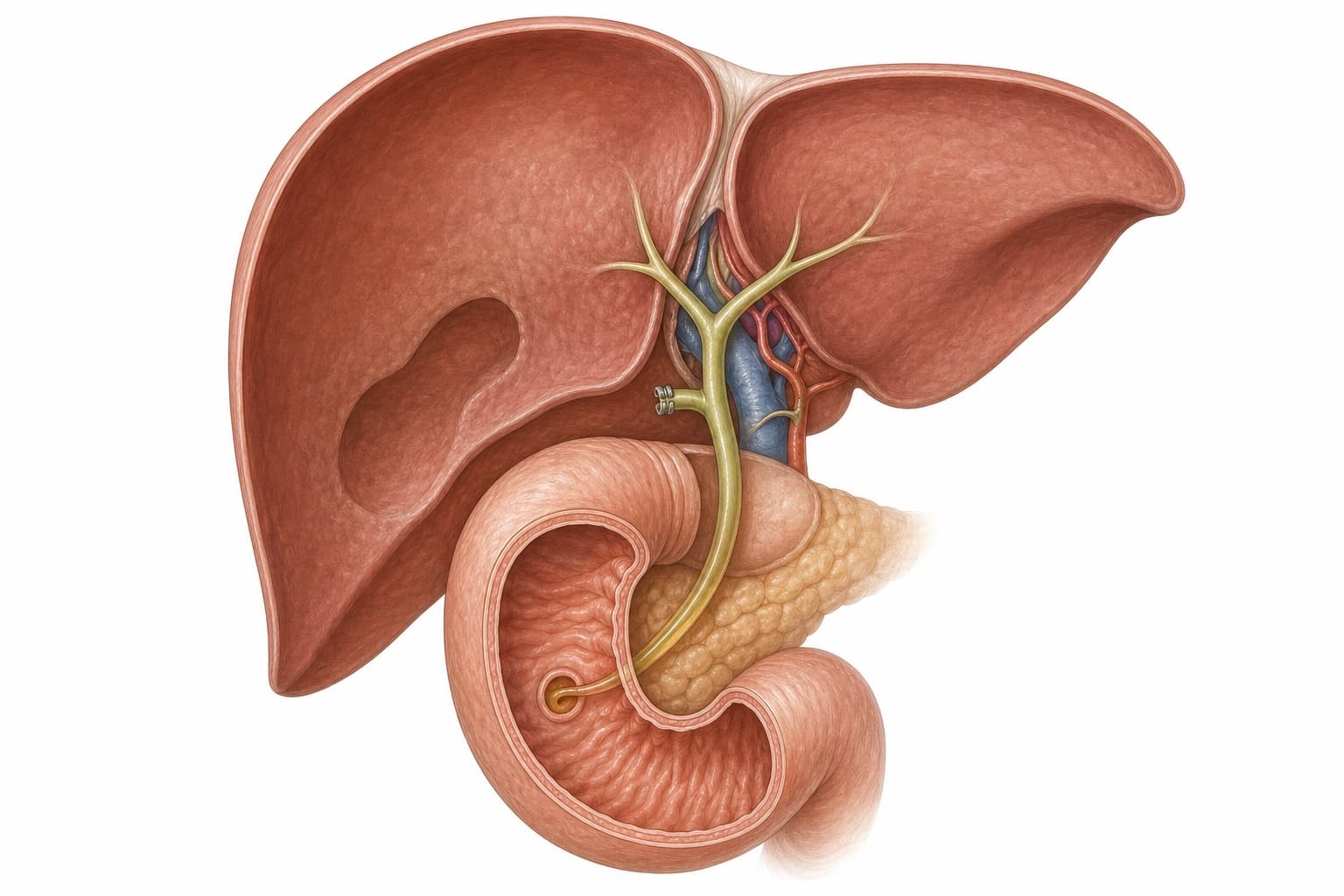
Diet after gallbladder removal: what you can and cannot eat
Foods to favour in the first two weeks
- Steamed or boiled rice, congee, or plain noodles
- Lean proteins: chicken breast, fish, tofu
- Steamed or boiled vegetables
- Low-fat dairy products
Foods to avoid in the first two weeks
- Fried or greasy foods, including roti prata, nasi lemak and char kway teow
- High-fat cuts of meat and heavy gravies
- Spicy food
- Cream-based dishes and sauces
Some patients experience temporary loose stools or bloating as the digestive system adjusts. This usually settles within four to six weeks.
Warning signs: when to contact Dr Sulaiman after surgery
Contact Dr Sulaiman’s clinic immediately if you experience any of the following after your laparoscopic gallbladder surgery.
- Fever above 38°C
- Yellowing of the skin or eyes, known as jaundice
- Severe abdominal pain that is worsening rather than improving
- Green or brown discharge from an incision site
- Inability to keep fluids down
These symptoms may indicate bile leakage, wound infection, or another complication requiring prompt assessment.
A fever above 38°C, worsening abdominal pain, or yellowing of the skin or eyes after surgery needs to be assessed the same day.
Common questions
The questions that come up before gallbladder surgery.
Who performs the surgery, and where?
Dr Sulaiman Bin Yusof is a Senior Consultant colorectal and general surgeon offering laparoscopic, or keyhole, gallbladder removal at five private clinic locations across Singapore.
What does a gallstone attack feel like?
A gallstone attack can feel alarming. The pain typically peaks within an hour and may last several hours before subsiding. Between attacks, many people feel completely well, which makes it easy to delay seeking medical attention.
Do gallstones always cause symptoms?
Some people carry gallstones for years without any symptoms. Others experience repeated attacks that become more frequent or more severe over time.
Can gallstones be treated without surgery?
Gallstones cannot be dissolved or eliminated with medication alone. Dietary changes may help manage symptoms in the short term, but they will not remove existing stones or prevent further attacks. For patients experiencing symptoms from gallstones, surgery is the only definitive treatment.
What does the gallbladder do, and why is it removed?
The gallbladder is a small organ under the liver that stores bile, a digestive fluid produced by the liver. This procedure is typically performed to treat gallbladder issues such as gallstones, inflammation, or infections that cause pain and digestive problems. The primary goals are to relieve pain and prevent further complications.
How do I know whether keyhole surgery is right for me?
Consult your surgeon to discuss your symptoms, medical history, and treatment options. They will help determine if laparoscopic gallbladder removal is the most appropriate approach for your condition.
Will keyhole surgery leave scars?
The 3 to 4 incisions used in laparoscopic surgery are each less than 1cm in length, compared to the 5 to 7cm incision required for open cholecystectomy. This results in less tissue damage and considerably smaller scars.
Can a gastroscopy be done at the same time as my gallbladder surgery?
Yes. Dr Sulaiman can combine a diagnostic gastroscopy with laparoscopic gallbladder surgery in the same operating session. This is relevant for patients with concurrent upper GI symptoms such as acid reflux, persistent indigestion, or suspected peptic ulcers.
Is this claimable under MediSave or insurance?
Yes. Laparoscopic gallbladder removal is MediSave-claimable for eligible Singaporeans and Permanent Residents. Most Integrated Shield Plans and corporate insurance policies also cover the procedure when it is medically indicated.
What tests are done before gallbladder surgery?
Before laparoscopic gallbladder removal, Dr Sulaiman will request an abdominal ultrasound and blood tests. Where needed, a CT scan or MRI may also be arranged to confirm the diagnosis and assess for stones in the bile duct. This evaluation is carried out at your pre-operative consultation.
Which medicines need adjusting before surgery?
Patients taking warfarin, aspirin, or diabetes medications such as insulin should inform Dr Sulaiman at their pre-operative consultation so that adjustments can be planned safely. Certain supplements, including fish oil, vitamin E, and garlic tablets, may also need to be paused before surgery, as they can increase the risk of bleeding.
What anaesthesia is used for gallbladder surgery?
Administration of general anaesthesia ensures that the patient is asleep and pain-free throughout the surgery. The surgeon monitors the patient's vital signs and adjusts the anaesthesia as needed.
How many cuts are made, and why so small?
Dr Sulaiman makes 3 to 4 incisions in the abdominal wall, each less than 1cm in length. Open cholecystectomy, by comparison, typically requires a single incision of 5 to 7cm. These small incisions serve as entry points for the laparoscopic instruments and camera, and result in significantly less tissue damage to the surrounding area.
What happens during the operation?
Trocars are hollow tubes that are inserted through the incisions. A laparoscope, a thin tube containing a light and a camera, is inserted through one of the trocars. The camera provides a high-definition view of the abdomen on a monitor, guiding the surgeon throughout. The surgeon identifies the gallbladder and its associated structures, such as the cystic duct and cystic artery. Using specialised instruments, the surgeon carefully clips and cuts the cystic duct and artery, disconnecting the gallbladder from the liver and its blood supply.
How is the gallbladder taken out?
The gallbladder is carefully isolated and placed in a small bag for extraction. It is removed through one of the small incisions and may be broken into smaller pieces for easier removal.
How are the cuts closed, and when do I go home?
After the gallbladder is removed, the carbon dioxide gas is released from the abdomen. The incisions are closed with sutures or surgical staples, and sterile dressings are applied to each site. The entire laparoscopic gallbladder removal typically takes 45 to 90 minutes. Most patients are discharged the same day or after one overnight stay.
How long is the recovery after gallbladder removal?
Most patients return to desk work within five to seven days and resume normal activities within one to two weeks of laparoscopic gallbladder surgery. Strenuous physical activity and heavy lifting are typically restricted for two to four weeks.
Will I need strong painkillers after the operation?
Most patients manage discomfort after laparoscopic gallbladder surgery with over-the-counter pain relief such as paracetamol or ibuprofen. Stronger prescription analgesia is available if required.
What can I eat after the gallbladder is removed?
Avoid fatty, fried, and greasy foods for the first one to two weeks. Begin with small, light meals and gradually reintroduce your normal diet. A full normal diet is typically possible within four to six weeks. Some temporary changes in digestion, such as loose stools or bloating, are common and usually resolve as the body adjusts.
Can I live normally without a gallbladder?
Without a gallbladder, bile flows directly from the liver into the small intestine, which can affect digestion. Some patients may experience temporary changes such as diarrhoea, bloating, or gas, but these usually improve as the body adjusts.
Can gallstones come back after the gallbladder is removed?
Gallstones cannot recur in the gallbladder once it is removed. However, stones may still form in the bile ducts, though this is uncommon. Maintaining a healthy diet and weight can help reduce this risk.
Book a consultation
Gallstones will not dissolve on their own. Have them assessed.
If you have gallstones, recurring gallbladder pain, or have been told you need your gallbladder removed, consult Dr Sulaiman for an assessment and a personalised surgical plan. Clinics are open Monday to Friday, 9.00am to 6.00pm, and Saturday, 9.00am to 1.00pm, with Sunday and public holiday appointments available on request. Self-referrals are accepted, GP referrals are welcome, MediSave and most insurance plans are accepted, and same-week consultations are typically available.