Hiatal hernia
Reflux that will not settle is often a hiatal hernia.
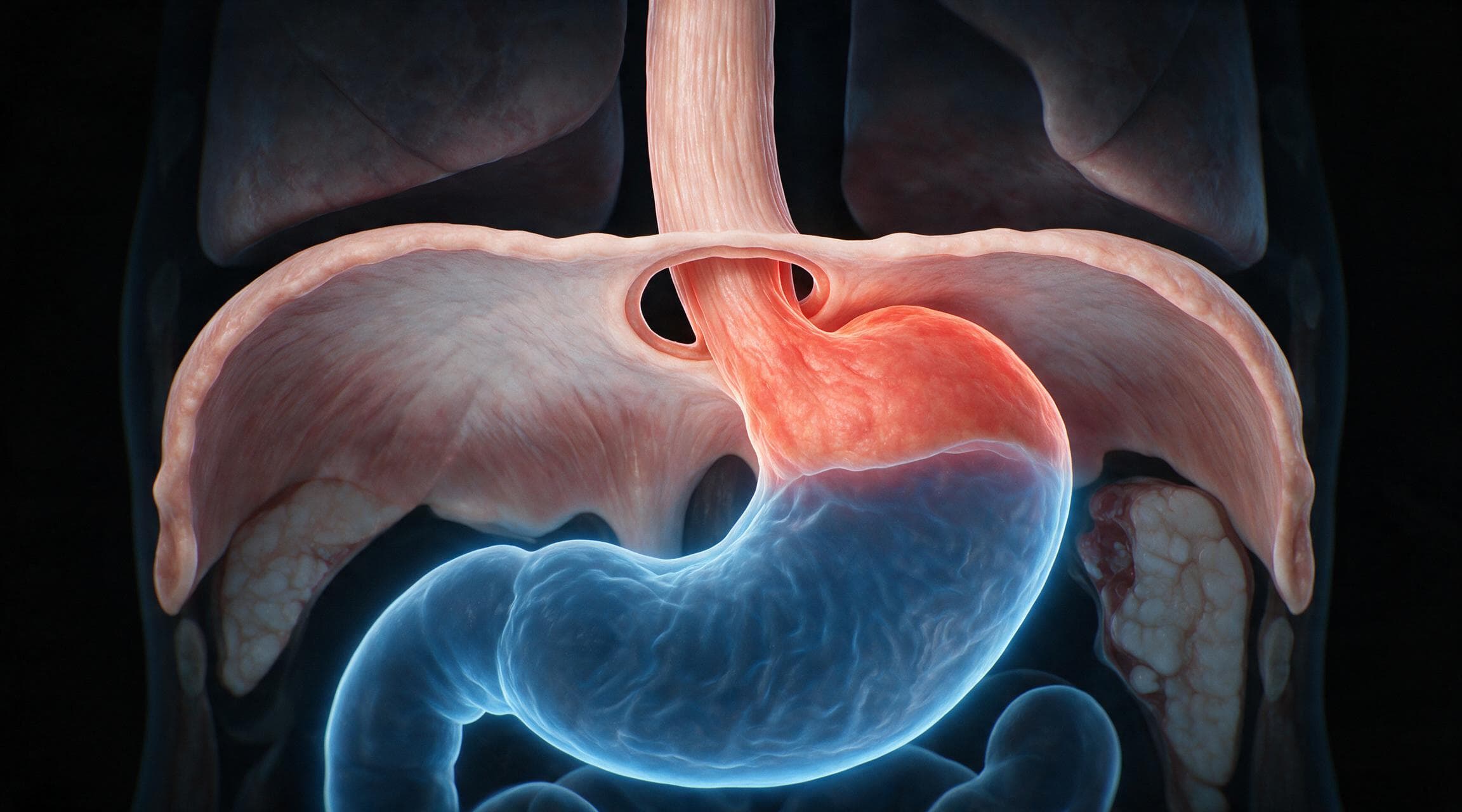
The diaphragm normally keeps the stomach below it. When part of the stomach slips up through the opening in the diaphragm, the barrier that holds acid down is weakened, and reflux is usually the first thing people notice. It is also called a hiatus hernia, and it is more common after the age of 50. Most cause no symptoms at all. Larger ones can need repair.
FRCSEd (General Surgery)Five clinics in Singapore
In short
Chest
Where it goes
Part of the stomach pushes up through an opening in the diaphragm into the chest cavity.
Hiatus
The other name
Also called a hiatus hernia. The two names describe the same thing.
Acid
What it lets through
The diaphragm normally keeps the stomach below it. When it does not, acid can travel the wrong way.
Over 50
Most affected
More common in adults over the age of 50.
His story
Dr Sulaiman Bin Yusof
Senior Consultant Colorectal and General Surgeon, seeing patients at five clinics in Singapore.
- MBChB (Sheffield), M.Med (Surgery), FRCSEd (General Surgery)
- Consults in English and Malay
- MOH Fellowship, Peter MacCallum Cancer Centre, Melbourne
- Singapore Health Quality Service Star Award 2023
- Dean's Honour Roll for Teaching
When it needs attention
Most are not dangerous. A few are.
Most hiatal hernias are not life-threatening and often cause no symptoms. Larger hernias left untreated can lead to complications such as ulcers or strangulation, which need prompt medical attention.
A large hiatal hernia can also press against the diaphragm and restrict normal lung expansion. That can make breathing difficult, especially after a large meal or during physical exertion, as the stomach’s abnormal position compresses the diaphragm and the structures around it.
What it feels like
Heartburn, and three things people do not connect to it.
A hiatus hernia causes a range of symptoms, because displacing the stomach into the chest cavity changes how the digestive system works.
Heartburn
When the stomach pushes through the diaphragm it weakens the barrier that normally stops stomach acid entering the oesophagus. Heartburn is what you feel when acid flows back up, which is acid reflux.
Difficulty swallowing
The hernia can press on the oesophagus or compress it, making it harder for food to pass from the throat to the stomach.
Chest pain or discomfort
The stomach's abnormal position can press against surrounding organs, which causes discomfort or pain, especially after meals when the stomach is full.
Belching or bloating
The disruption to stomach position can trap food and gas, building up excess gas. That leads to frequent burping, a sense of fullness and bloating, particularly after eating.
Why it happened
Four things that weaken the opening.
Age
Muscle tissue throughout the body weakens with age, the diaphragm included, which makes it easier for the stomach to push through.
Pressure in the abdomen
Heavy lifting, a chronic cough or straining, for instance during bowel movements, increases pressure in the abdomen and can push the stomach through the diaphragm opening.
Weight around the middle
Excess weight around the abdomen puts additional pressure on the stomach and diaphragm, which makes it more likely the stomach slips into the chest cavity.
Family history
Some people inherit weaker diaphragm muscles or anatomical differences that make a hernia more likely.
How it is confirmed
Symptoms alone are not enough to be sure.
The doctor will ask about symptoms such as heartburn, chest pain or difficulty swallowing, and may assess for acid reflux, especially after meals. Because those symptoms resemble other conditions, a physical examination alone is often not enough to confirm the diagnosis and further testing is usually needed.
X-rays
Used to see the position of the stomach and diaphragm, which shows whether the stomach has moved up through the diaphragm.
Barium swallow
You drink a contrast liquid that coats the digestive tract, which makes the oesophagus and stomach visible on X-ray images and highlights any abnormal movement or structural change.
Endoscopy
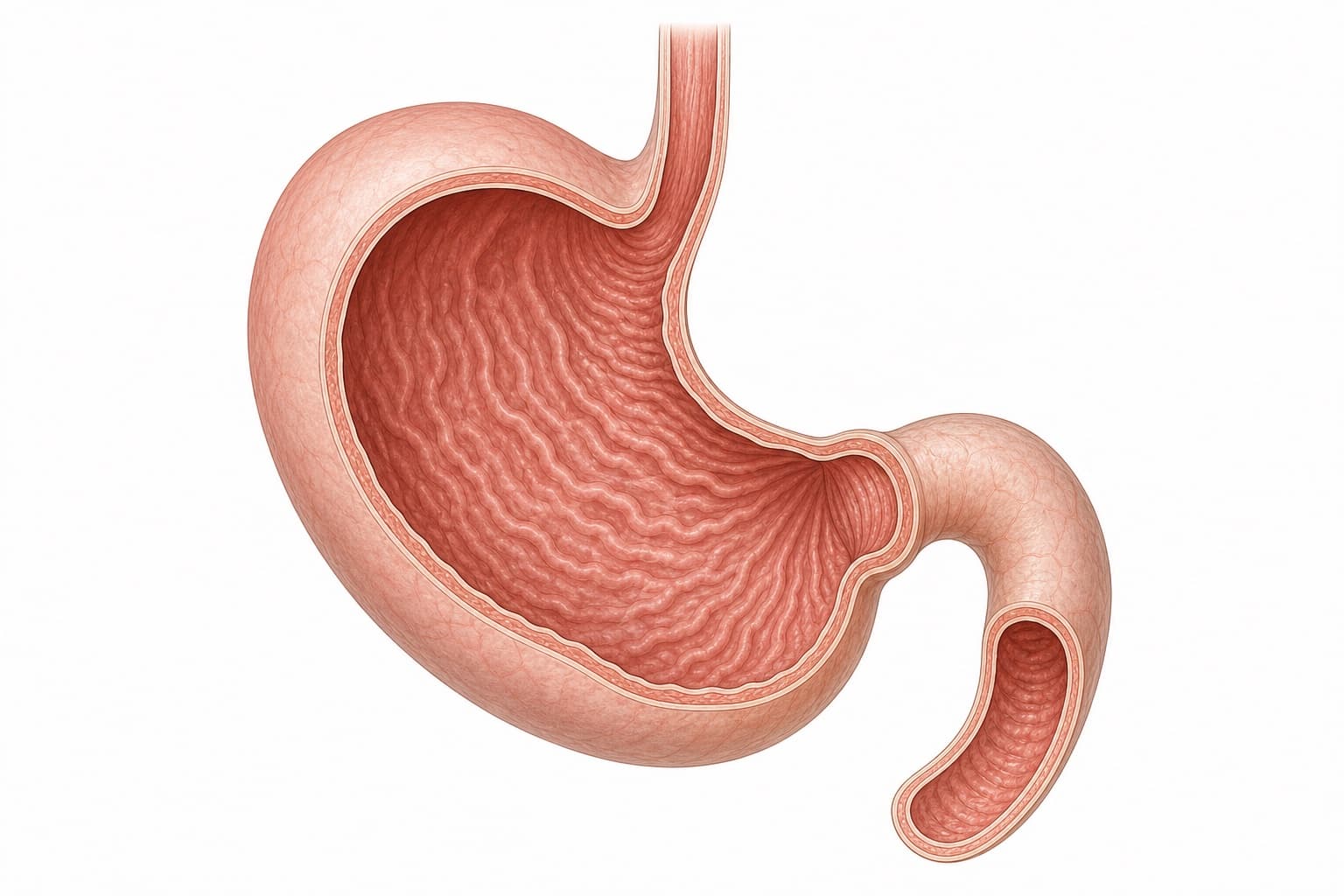
Also called gastroscopy. A thin flexible tube with a small camera goes down the throat to look directly at the oesophagus and stomach. It identifies the hernia, shows how severe it is, and picks up inflammation or damage from acid reflux. It can also rule out other conditions with similar symptoms and detect structural abnormalities.
Medication, and repair
Controlling the acid, or closing the opening.
Treatment depends on the size of the hernia, how severe the symptoms are, and your overall health. Non-surgical measures may be enough for mild cases. Surgery is for complications or symptoms that persist.
Medication
Medications manage symptoms by reducing stomach acid. They do not treat the hernia itself. Antacids give quick but short-term relief by neutralising acid. H2 blockers lower acid production, which reduces irritation and discomfort in the oesophagus. Proton pump inhibitors are stronger, blocking acid production for longer-lasting relief.
Keyhole repair
Minimally invasive surgery through small incisions in the abdomen. A laparoscope, a thin tube with a camera, and instruments are used to move the stomach gently back into position and tighten the diaphragm opening. Mesh is sometimes used to reinforce the area and reduce the risk of it recurring. Recovery is shorter, with less pain and fewer complications than traditional surgery.
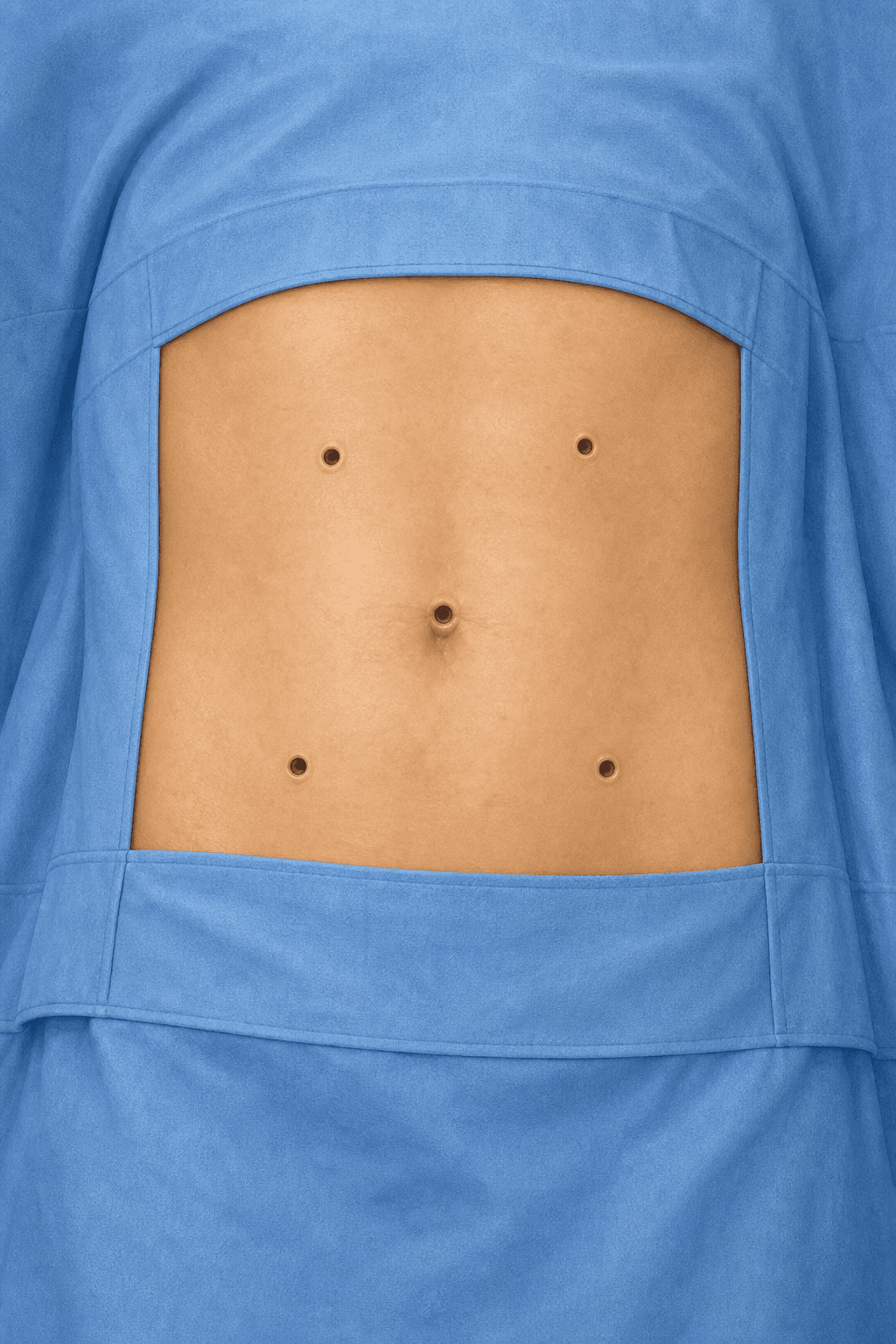
The keyhole approach itself, step by step, is described on the keyhole hernia repair page.
Open repair
Usually recommended for larger or more complicated hernias. A larger incision in the abdomen gives direct access. The stomach is moved back below the diaphragm, the opening is tightened, and mesh may be placed to reinforce the area and prevent future hernias. Recovery is typically longer than after keyhole repair.
Lowering the risk
Less pressure, smaller meals, and not lying down after them.
Prevention focuses on reducing pressure in the abdomen. Avoid heavy lifting and activities that require straining. Maintaining a healthy weight reduces abdominal pressure and lowers the risk.
Eating smaller, more frequent meals prevents excess stomach pressure, which can reduce symptoms. Avoid lying down immediately after eating, which lowers the chance of acid reflux and allows time for proper digestion.
Common questions
Three questions people ask first.
Is a hiatus hernia dangerous?
Most are not life-threatening and often cause no symptoms. Larger hernias left untreated can lead to complications such as ulcers or strangulation, which need prompt medical attention.
Can it affect my breathing?
Yes. A large hiatal hernia can push against the diaphragm and restrict normal lung expansion. That can make breathing difficult, especially after a large meal or during physical exertion, as the stomach's abnormal position compresses the diaphragm and surrounding structures.
Can it come back after surgery?
Recurrence is possible but less likely where the repair includes reinforcement such as mesh to strengthen the diaphragm. Following post-surgery care, such as avoiding heavy lifting and maintaining a healthy weight, is necessary to minimise the risk and keep the repair effective long term.
Book a consultation
Reflux that keeps coming back has a cause. Find out what it is.
If heartburn keeps coming back, food feels like it sticks on the way down, or you get chest discomfort after meals, it is worth finding out whether a hiatal hernia is behind it rather than staying on antacids indefinitely. Self-referrals are welcome and appointments are typically available within one working day.