Laparoscopic anterior resection in Singapore
Laparoscopic anterior resection removes the diseased section and rejoins the bowel.
Anterior resection removes the diseased part of the rectum or lower colon and rejoins the healthy ends, through cuts of about a centimetre.
FRCSEd (General Surgery)Five clinics in Singapore
In short
- Keyhole
- How it is done
- Small abdominal incisions admit a laparoscope, a thin flexible tube with a camera, and the surgical instruments, instead of one long opening.
- Rejoined
- In the same operation
- The diseased portion of the rectum or the lower colon is removed and the healthy ends of the bowel are reconnected during the same surgery.
- 2 to 4
- Weeks to light activity
- Most patients can begin light activities within 2 to 4 weeks. Full recovery, and the return to normal routines, typically occurs within 4 to 6 weeks.
- Claimable
- Insurance and corporate plans
- For Singaporeans, Singapore Permanent Residents and foreigners. Please speak to our clinic staff about using your insurance plans.
Cost and cover
The typical bill, and what Medisave and insurance cover.
MOH's transacted bill data puts the median private-hospital bill for this operation at $58,411 (source: Ministry of Health, Singapore, fee benchmarks and bill information for SF701C, opens in a new tab), including GST and before payouts. The operation is Medisave-claimable (source: CPF Board, using MediSave for hospitalisation, opens in a new tab), and Integrated Shield Plans and corporate insurance are accepted. The clinic team walks you through your own estimate at the consultation.
What can pay for it
- MediSave
- Integrated Shield Plans
- Corporate insurance
Cash to pay, after MediSave and insurance
$ ___
It depends on your MediSave balance and your policy. The clinic confirms it in writing before the operation.
Integrated Shield Plans






Corporate insurance













MediSave, Integrated Shield Plans, and private or corporate insurance may apply, subject to policy eligibility. The clinic team will check your coverage before any treatment is planned.
His story
Dr Sulaiman Bin Yusof
Senior Consultant Colorectal and General Surgeon, seeing patients at five clinics in Singapore.
- MBChB (Sheffield), M.Med (Surgery), FRCSEd (General Surgery)
- Consults in English and Malay
- MOH Fellowship, Peter MacCallum Cancer Centre, Melbourne
- Singapore Health Quality Service Star Award 2023
- Dean's Honour Roll for Teaching
Five clinics across Singapore
ORCHARD / NAPIER
Gleneagles Medical Centre
6 Napier Road #06-08, Singapore 258499
NOVENA
Mount Elizabeth Novena
38 Irrawaddy Road, #10-48/49, Singapore 329563
JOO CHIAT / EAST COAST
Parkway East Hospital
#05-08, 319 Joo Chiat Place, Singapore 427989
THOMSON
Mount Alvernia Hospital
#08-62, Medical Centre D, 820 Thomson Road, Singapore 574623
FARRER PARK
Farrer Park Medical Centre
#14-12, 1 Farrer Park Station Road, Singapore 217562
What the operation involves
What the operation involves
0.5 to 1 cm
Length of each incision
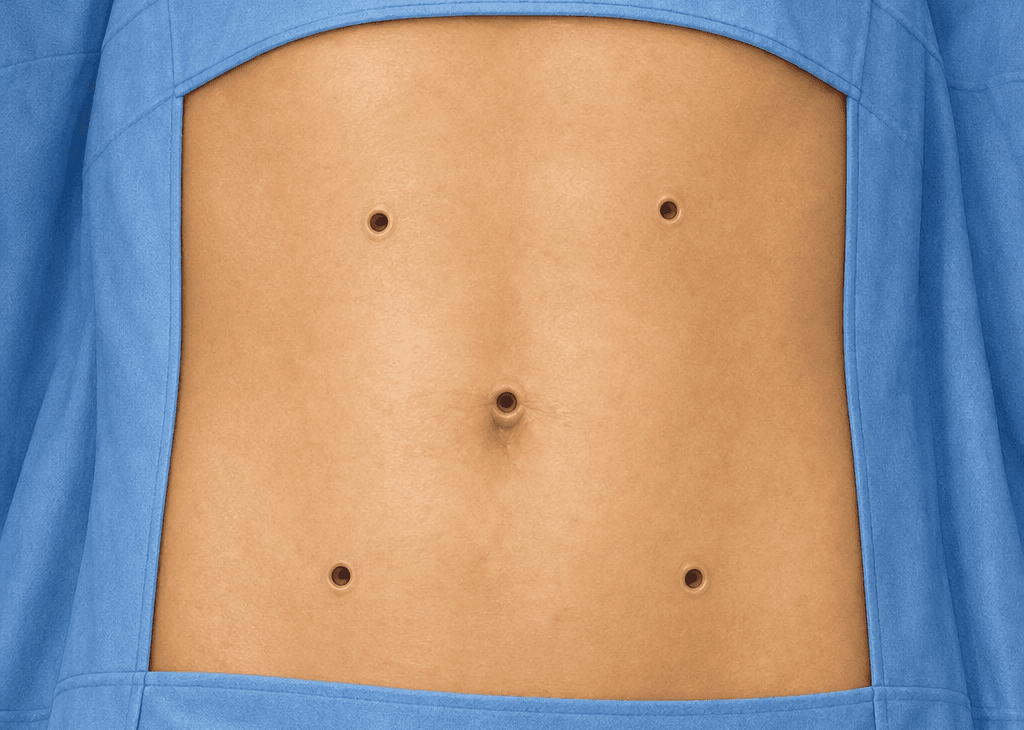
The surgeon makes several small incisions in the abdomen, each ranging from 0.5 to 1 cm in length.
Source: Dr Sulaiman Bin Yusof, clinical practice
Asleep
General anaesthesia, monitored throughout
Small incisions
Entry points for the camera and instruments
The diseased section out
Nerves and blood vessels preserved
The bowel rejoined
Healthy ends reconnected, then closed
The diseased section is removed and the healthy ends of the bowel are rejoined in the same operation.
2 to 4
Hours in theatre
A laparoscopic anterior resection typically takes 2 to 4 hours, depending on the complexity of the case. Hospital admission, anaesthetic review and recovery sit on either side of that, so expect the day to be considerably longer than the surgery itself.
Source: Dr Sulaiman Bin Yusof, clinical practice
What it is
Removing a section of the rectum or lower colon, through small cuts.
Laparoscopic anterior resection is a minimally invasive surgery that removes a portion of the rectum or the lower colon to treat rectal cancer, diverticular disease, or benign polyps that cannot be removed through less invasive methods. Where the diagnosis is rectal cancer and the robotic platform fits the case, robotic rectal cancer surgery is described on its own page.
Where the segment that has to come out lies further up the colon rather than in the rectum or the lower colon, the operation is a laparoscopic hemicolectomy instead, another form of laparoscopic colectomy.
Robotic-assisted technique is Dr Sulaiman’s primary surgical platform for colectomy and anterior resection, and what the robotic version of this operation involves is set out on the robotic colectomy and anterior resection page.
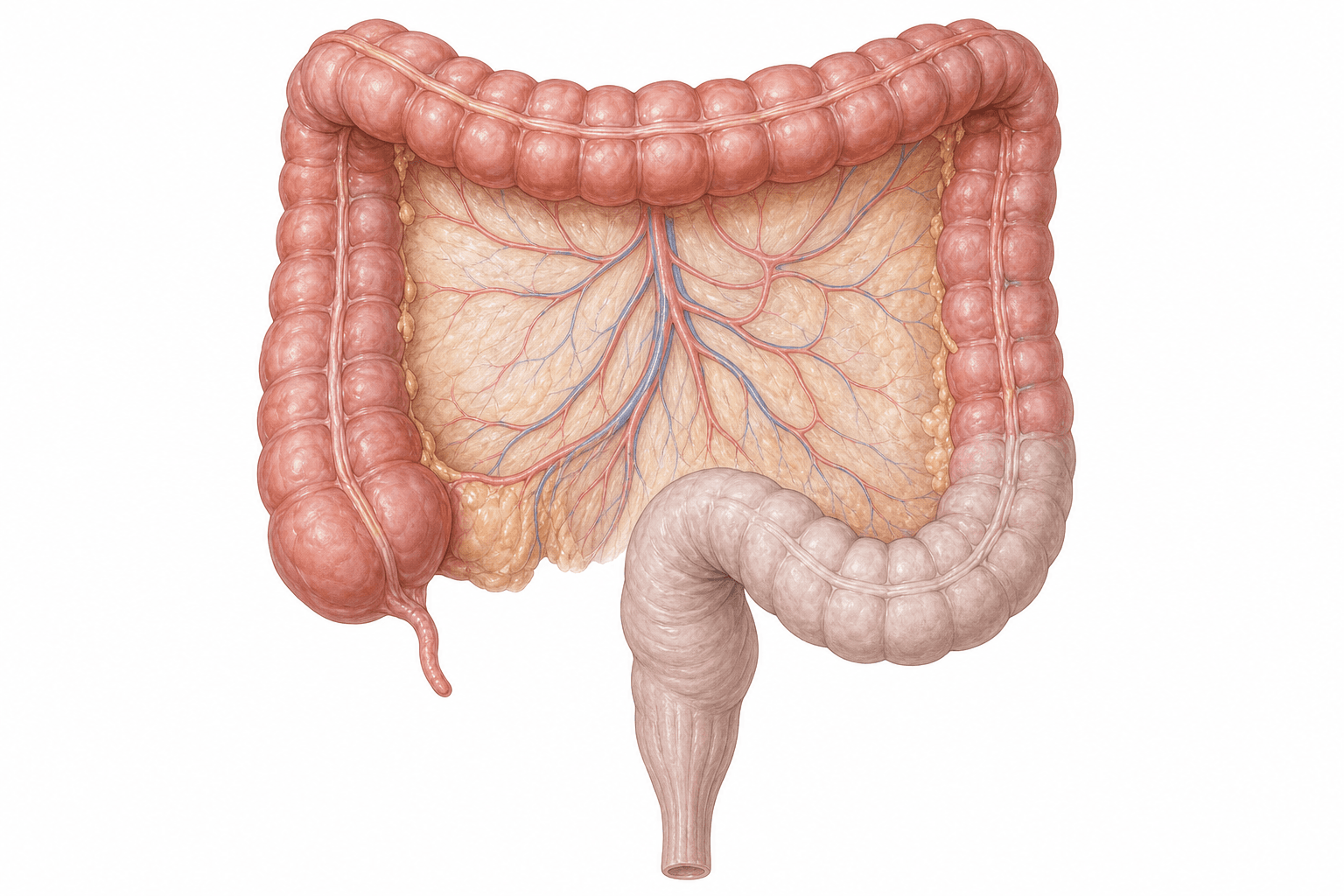
The pale stretch is the part an anterior resection takes out: the sigmoid colon and the upper rectum. Illustration, not a photograph, and not yet certified by Dr Sulaiman.
When it is needed
Five reasons this operation gets recommended.
Which indication applies to you is what decides how much bowel has to come out, and it is settled before surgery rather than during it.
Rectal cancer
Particularly when the cancer is located in the upper or middle third of the rectum, this operation removes the cancerous tissue while preserving as much of the rectum as possible to maintain normal bowel function.
Diverticular disease
This operation removes the affected portion of the colon, reducing the risk of further issues in cases of recurrent inflammation, or diverticulitis, leading to complications such as abscesses, fistulas, or strictures.
Inflammatory bowel disease
For Crohn's disease or ulcerative colitis patients, surgery may be required when medication fails to control the symptoms or when complications such as strictures or fistulas occur.
Large or high-risk polyps
Large polyps that cannot be safely removed via colonoscopy, or that are at risk of becoming cancerous, may require laparoscopic anterior resection as it allows for precise removal while preserving healthy bowel tissue.
A blockage of the lower colon
When a blockage in the lower colon caused by scarring, tumours, or other conditions needs to be surgically addressed, this operation can remove the obstructed section and restore normal bowel function.
Why keyhole
What the keyhole approach changes, compared with open surgery.
Every advantage below follows from one thing: the abdomen is entered through several small cuts rather than one long one.
Smaller incisions, less trauma
The use of small incisions reduces trauma to the body, resulting in less postoperative pain, smaller scars, and a quicker healing process, lowering the risk of wound infection.
A faster return to normal routines
The minimally invasive operation allows for a faster recovery, enabling patients to resume normal routines sooner than with open surgery.
Less blood loss
Because laparoscopic surgery provides a clearer view of the surgical area, the surgeon is able to cut and seal blood vessels more efficiently. This precision reduces blood loss during the operation.
A lower risk of complications
With less manipulation of internal organs, there is a reduced risk of complications such as infections, adhesions, which is scar tissue that can cause pain or bowel obstruction, and hernias.
Moving sooner afterwards
Smaller incisions cause less pain, enabling patients to move around more easily after surgery, which helps prevent blood clots and accelerates recovery.
Preparing
Most of the preparation happens before you arrive.
Tell the surgical team about every medication you take, blood thinners in particular, well before the day of surgery.
Bowel preparation
Patients must follow a special diet and take laxatives or enemas the day before surgery to empty the colon. This helps reduce the risk of infection and improves visibility during the operation.
Fasting
Patients must fast for several hours before the surgery, typically starting the night before. Fasting reduces the risk of anaesthesia-related complications, such as aspiration, which means inhaling food or liquid into the lungs.
The operation
What actually happens once you are asleep.
Carbon dioxide gas lifts the abdominal wall away from the organs, and that is what creates the room to operate. The seven steps below run in this order every time.
Anaesthesia
The patient is placed under general anaesthesia, so they are asleep and unaware for the whole operation. Anaesthesia is administered by an anaesthetist, who also monitors the patient's vital signs throughout.
Incisions
The surgeon makes several small incisions in the abdomen, ranging from 0.5 to 1 cm in length. These serve as entry points for the laparoscope and surgical instruments. The number and placement of the incisions depend on the area of the bowel being operated on.
Laparoscope insertion
A laparoscope is inserted through an incision, providing the surgeon with a magnified, high-definition view of the abdomen on a monitor. This allows for precise dissection and tissue manipulation.
Pneumoperitoneum creation
Carbon dioxide gas is used to inflate the abdomen, creating a working space that allows the surgeon to see and move instruments more easily. This inflation helps lift the abdominal wall away from the organs, providing a clearer view and more room to operate.
Removal of diseased tissue
Specialised instruments are inserted through the other incisions to carefully detach and remove the diseased section of the rectum or colon while preserving nearby nerves and blood vessels to maintain bowel function and avoid complications.
Anastomosis
The healthy ends of the bowel are reconnected, a process called anastomosis, using sutures or surgical staples to restore the continuity of the digestive tract. The surgeon ensures there are no signs of leakage or tension at the anastomosis site to ensure proper healing.
Closure
The incisions are closed with sutures or surgical staples, and the wound is dressed. The laparoscope is removed, and the carbon dioxide gas is released from the abdomen before the final incision is closed.
Afterwards
Recovery, week by week, and when to call.
Immediate care
After surgery, the patient is moved to a recovery room and monitored as they awaken from anaesthesia. Pain is managed with medications provided orally or via an intravenous line, and vital signs are closely tracked.
Patients start on intravenous fluids and gradually transition to solid foods as bowel function returns, typically within a few days. Early movement is encouraged to prevent complications such as blood clots and speed up healing.
Recovery timeline
In the first week, patients gradually regain bowel function and start moving more easily. Physical activity is limited initially, but most patients can begin light activities within 2 to 4 weeks, depending on their recovery.
4 to 6
Weeks to full recovery
How long the return to normal routines usually takes, though this varies with the complexity of the surgery. Light activity comes earlier, at 2 to 4 weeks, and light work is usually possible in the same window.
Source: Dr Sulaiman Bin Yusof, clinical practice
Recovery milestones, on a ten-week scale
- Light activity
- 2 to 4 weeks
- Full recovery
- 4 to 6 weeks
Source: Dr Sulaiman Bin Yusof, clinical practice
Contact your surgeon if you develop severe abdominal pain, fever, redness or swelling at the incision sites, or unusual bowel habits.
Common questions
The questions that come up before an anterior resection.
How long does the surgery take?
A laparoscopic anterior resection typically takes 2 to 4 hours, depending on the complexity of the case.
When can I go back to work?
Most patients can return to light work within 2 to 4 weeks, depending on their recovery and the nature of their job. Follow your surgeon's advice on when to resume work.
Will I need a stoma?
A stoma may be needed temporarily, especially when surgery involves the lower rectum. In most cases, it can be reversed after a few months once healing is sufficient.
What are the signs of a complication?
Signs of complications include severe abdominal pain, fever, redness or swelling at the incision sites, or unusual bowel habits. Contact your surgeon if you experience any of these symptoms.
What does the laparoscope do during the operation?
The laparoscope provides the surgeon with a detailed view of the internal organs, allowing for precise removal of the diseased tissue while preserving as much healthy bowel as possible.
What tests are done before an anterior resection?
The patient will undergo a thorough medical evaluation, including blood tests, imaging studies such as CT scans or MRIs, and possibly a colonoscopy to assess the extent of the disease, plan the surgery, and ensure the patient's overall health allows them to undergo surgery safely.
Do any medicines need to be stopped before surgery?
Some medications, such as blood thinners, may need to be temporarily discontinued before surgery to reduce the risk of bleeding.
Book a consultation
Bowel surgery is planned, not rushed. Start with an assessment.
Consult Dr Sulaiman for an assessment and a personalised treatment plan. He sees patients at Gleneagles Medical Centre, Mount Elizabeth Novena Hospital, Parkway East Hospital, Mount Alvernia Hospital and Farrer Park Medical Centre.