Procedure · OGD
Gastroscopy in Singapore, explained before it happens.
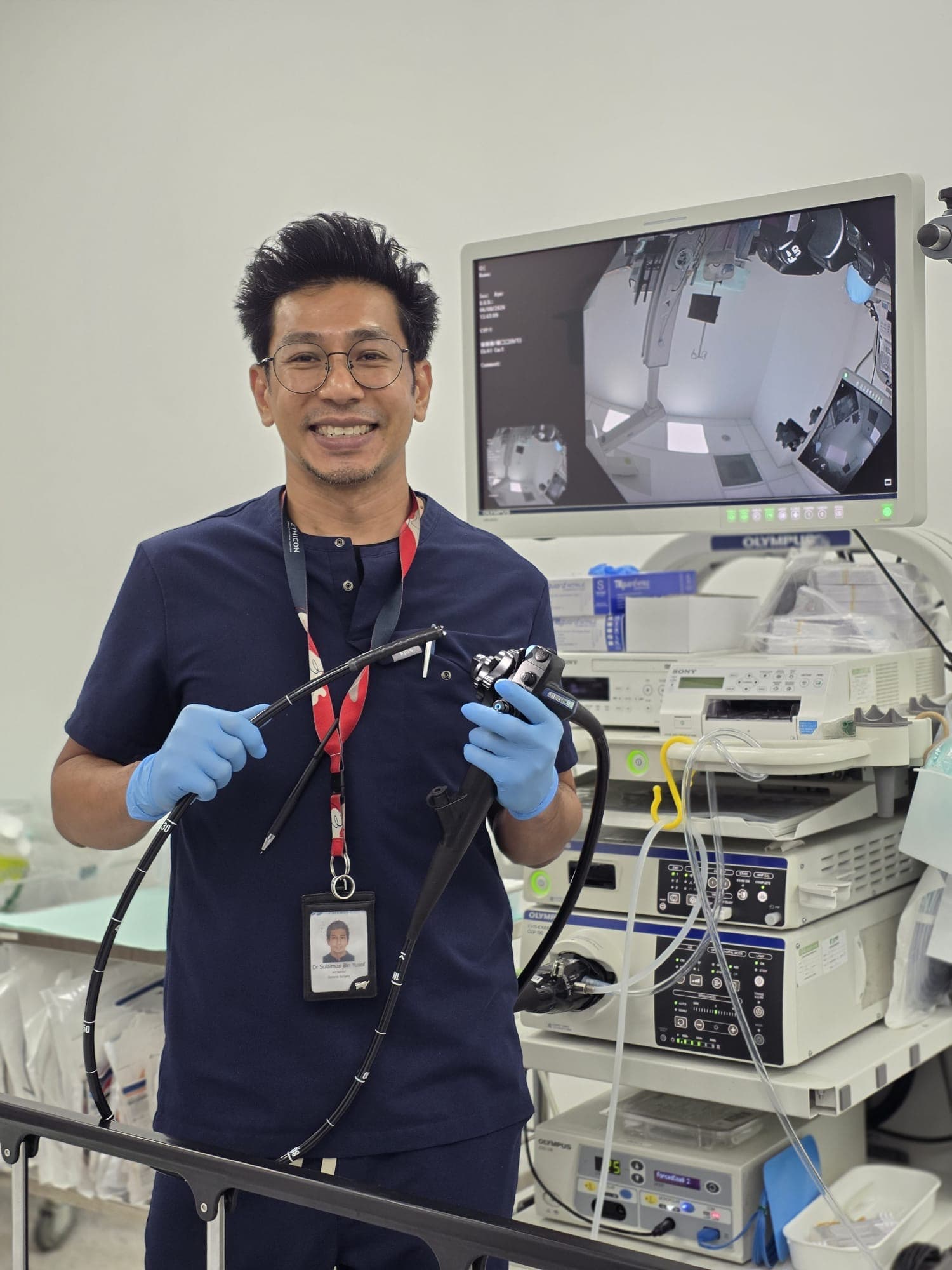
A gastroscopy, also called OGD or upper endoscopy, examines the oesophagus, stomach and duodenum with a thin flexible camera. It can take a biopsy and, where appropriate, treat what it finds during the same sitting.
FRCSEd (General Surgery)Five clinics in SingaporeDay procedure
In short
- OGD
- What a gastroscopy is
- One day
- Usual wait for an appointment
- Same visit
- Look, sample, and treat
- Claimable
- MediSave and Integrated Shield
Cost and insurance
What a gastroscopy costs, and what may offset the bill.
There is no single price, because the bill depends on what is found and done. Gastroscopy is MediSave-claimable (source: CPF Board, using MediSave for hospitalisation, opens in a new tab) up to the limit shown, capped by your own balance. The gastroscopy cost breakdown itemises it, and the clinic gives a written estimate before the appointment.
What MediSave can cover for a day-surgery gastroscopy
Up to $1,250
$420
operation limit under Table 1B
$830
a day of day-surgery charges
Source: CPF Board, using MediSave for hospitalisation (source: CPF Board, using MediSave for hospitalisation, opens in a new tab); Ministry of Health, MediSave withdrawal limits (source: Ministry of Health, MediSave withdrawal limits, opens in a new tab)
Cash to pay, after MediSave
$XXX
It depends on your own MediSave balance. The clinic confirms it in writing before the procedure.
Gastroscopy cost in Singapore
- Gastroscopy, his published base price
- $1,090
- Consultation, beforehandBilled separately. It is not part of the procedure claim.
- $87.20
Added only if needed
Amounts include 9% GST.
Integrated Shield Plans






Corporate insurance













MediSave, Integrated Shield Plans, and private or corporate insurance may apply, subject to policy eligibility. The clinic team will check your coverage before any treatment is planned.
His story
Dr Sulaiman Bin Yusof
Senior Consultant Colorectal and General Surgeon, seeing patients at five clinics in Singapore.
- MBChB (Sheffield), M.Med (Surgery), FRCSEd (General Surgery)
- Consults in English and Malay
- MOH Fellowship, Peter MacCallum Cancer Centre, Melbourne
- Singapore Health Quality Service Star Award 2023
- Dean's Honour Roll for Teaching
Five clinics across Singapore
ORCHARD / NAPIER
Gleneagles Medical Centre
6 Napier Road #06-08, Singapore 258499
NOVENA
Mount Elizabeth Novena
38 Irrawaddy Road, #10-48/49, Singapore 329563
JOO CHIAT / EAST COAST
Parkway East Hospital
#05-08, 319 Joo Chiat Place, Singapore 427989
THOMSON
Mount Alvernia Hospital
#08-62, Medical Centre D, 820 Thomson Road, Singapore 574623
FARRER PARK
Farrer Park Medical Centre
#14-12, 1 Farrer Park Station Road, Singapore 217562
01 · When it is warranted
A gastroscopy is considered because of a question, not just a symptom list.
Consider consulting a gastroscopy doctor in Singapore for treatment if you are experiencing any of the following.
Blood in vomit, or black and tarry stools, should be assessed straight away rather than watched.
- Swallowing feels difficultFood sticking, pain on swallowing or a change that persists deserves assessment.
- Reflux keeps returningEspecially when symptoms persist or recur despite an appropriate trial of treatment.
- Upper abdominal painParticularly when it is unexplained or occurs with reduced appetite or weight loss.
- Vomiting or nausea persistsA continuing pattern may warrant examination of the oesophagus, stomach and duodenum.
- Anaemia has no clear causeAn upper digestive source may need to be considered alongside other investigations.
- Bleeding is suspectedVomiting blood or passing black, tarry stool can indicate upper gastrointestinal bleeding.
These symptoms do not always indicate serious conditions, but they warrant proper investigation and screening via a gastroscopy in Singapore. Certain symptoms, including unexplained weight loss, anaemia, or blood in stool, may also warrant assessment by a colorectal cancer specialist in Singapore.
Dr Sulaiman investigates and manages stomach ulcers, H. pylori infection, and gastritis through gastroscopy services at his private clinics across Singapore. Where symptoms suggest a gallbladder cause instead, Dr Sulaiman also performs laparoscopic gallbladder removal, and the consultation is the point at which the two are told apart.
02 · What it is
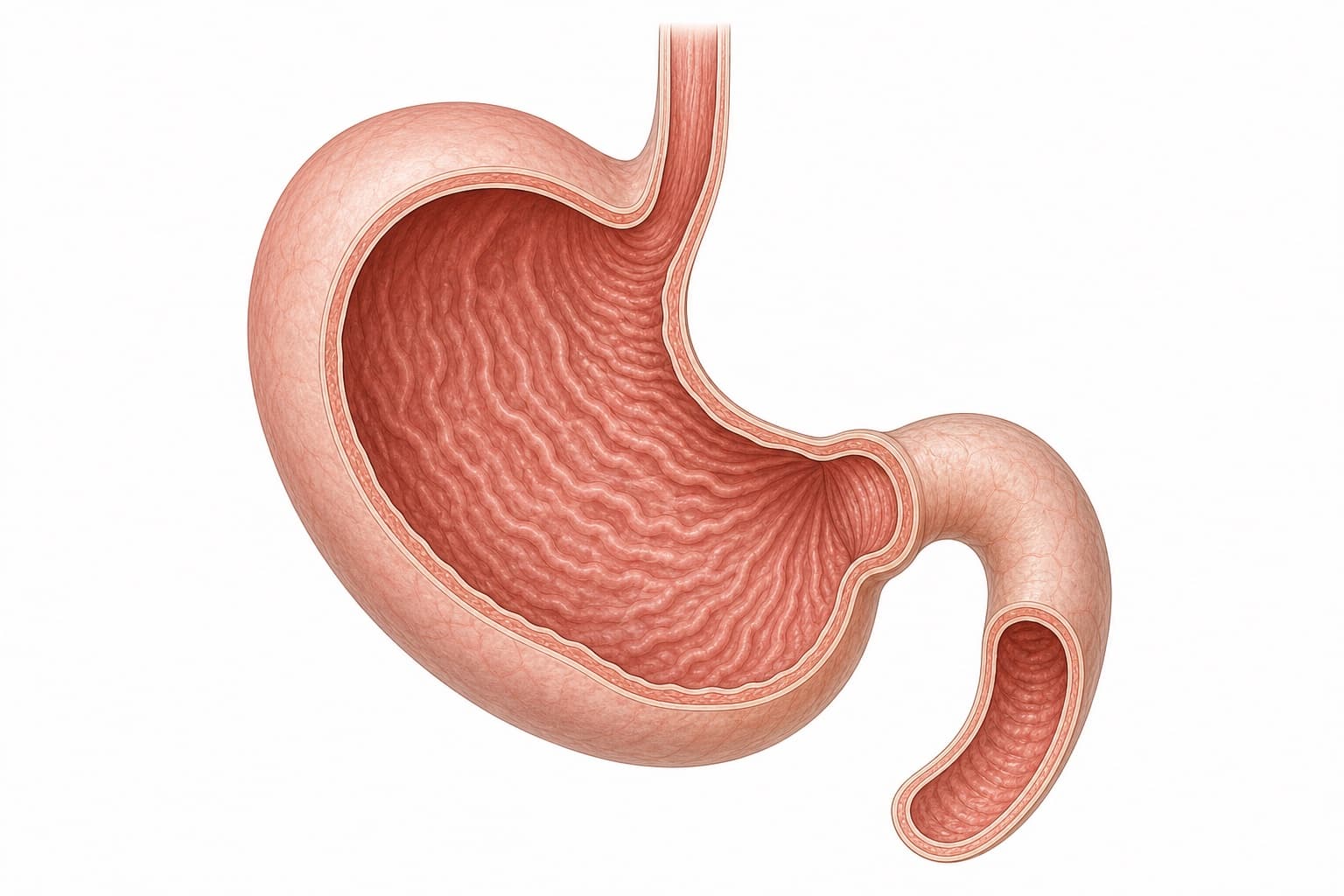
A gastroscopy is a direct look at three connected areas.
Gastroscopy, or OGD, oesophago-gastro-duodenoscopy, is a procedure that allows a doctor to directly examine the upper digestive tract using a thin, flexible tube with a camera attached. Many patients know it by its everyday names: a stomach scope, a gastric scope, or a tummy scope. In medical writing it is also called an upper endoscopy. All four describe this same test.
What it gives you that a scan cannot
Findings that a scan can miss
Tissue samples in the same sitting
Treatment without a second appointment
Gastroscopy or colonoscopy, and where the other tests fit
Patients often are unsure whether they need a gastroscopy or a colonoscopy. The difference comes down to where in the digestive tract your symptoms are located. Colonoscopy examines the lower digestive tract and is recommended for bowel habit changes, rectal bleeding, and colorectal cancer screening.
| Comparison | Gastroscopy, OGD | Colonoscopy | Barium swallow | pH monitoring |
|---|---|---|---|---|
| Area examined | Oesophagus, stomach, duodenum | Colon and rectum | Oesophagus and stomach, outline only | Oesophagus |
| Best for | Stomach pain, ulcers, reflux, nausea, dysphagia | Bowel habit changes, rectal bleeding, polyps, colorectal cancer screening | Swallowing disorders, structural narrowing | Chronic acid reflux severity |
| Biopsy capability | Yes | Yes | No | No |
| Therapeutic intervention | Yes | Yes | No | No |
| Sedation required | Usually | Usually | No | No |
03 · Preparing
An empty stomach and a clear medication plan before your stomach scope.
Proper preparation helps ensure a safe procedure and accurate results. Please follow your specialist’s instructions closely in the days before your gastroscopy.
01
Follow the fasting time exactly
6 to 8 hours, water until 2 hours before
02
Review medicines before the day
Blood thinners, aspirin, diabetes medicine, supplements
03
Come dressed for a day procedure
Loose clothing, dentures and lenses removed
04
Arrange your ride home
Sedation means an adult should travel with you
Tell Dr Sulaiman about every medication you take, including over-the-counter supplements and herbal remedies, before the day.
04 · On the day
The gastric scope itself, in five stages with a decision at each one.
A gastroscopy involves several steps, and they run in the same order every time.
01
Sedation
An IV line and a throat spray
02
The scope goes down
Through the mouth, into the oesophagus
03
The examination
Watched on a video screen throughout
04
Samples if needed
Biopsy and H. pylori testing, same session
05
Recovery
Findings discussed with you the same day
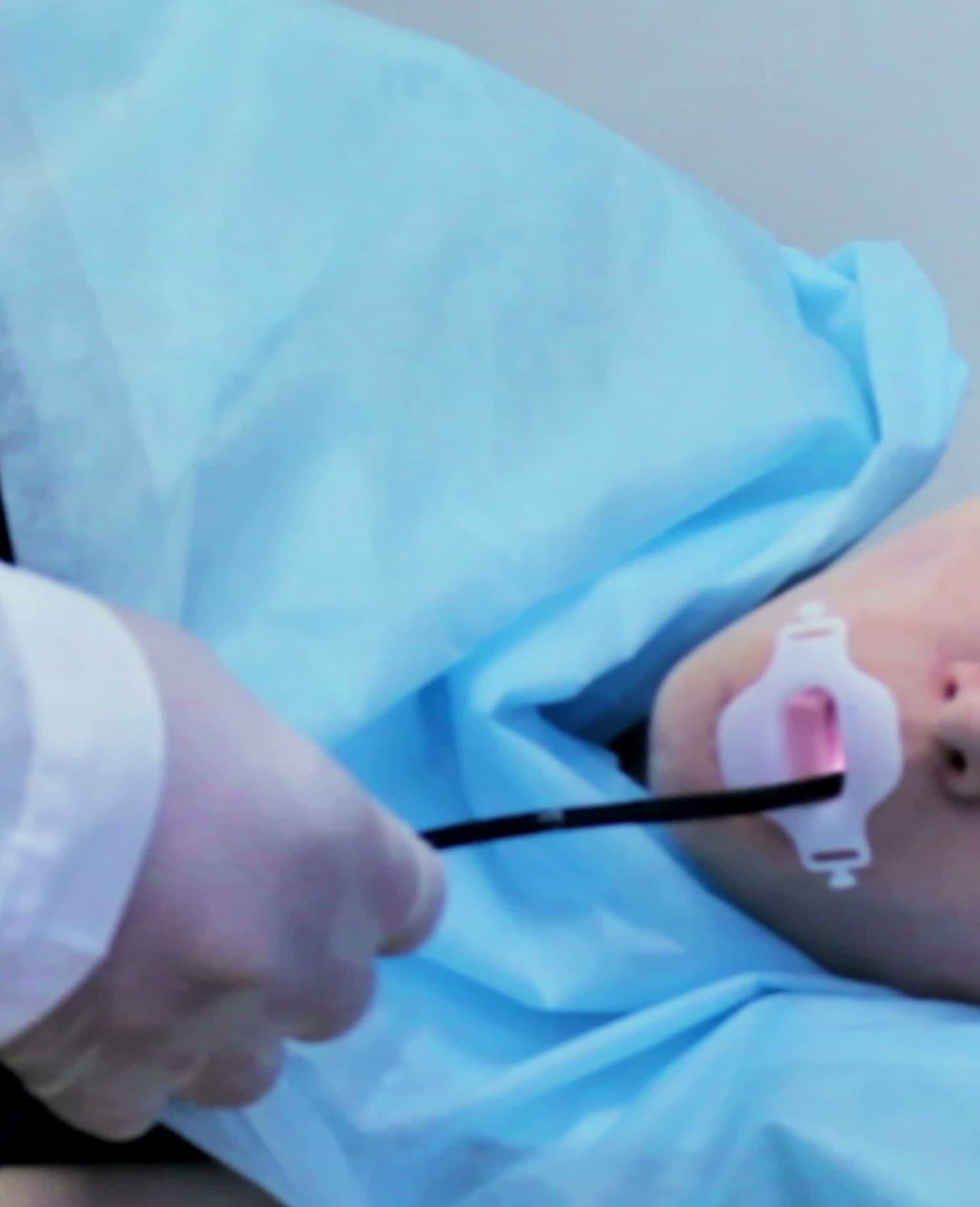
The procedure typically takes 15 to 30 minutes.
05 · Afterwards
After the scope, know what is ordinary and what is not.
Recovery
Following the procedure, you will be monitored in the recovery area until the sedation has worn off, typically within 30 to 60 minutes. A companion will need to be present to accompany you home, as driving is not permitted for at least 24 hours after sedation.
Eating and rest
Begin with small sips of water once fully alert, progressing to light, easy-to-digest foods. Rest for the remainder of the day and avoid strenuous activity.
Your results
If biopsies were taken, results are typically available within 3 to 5 working days. Dr Sulaiman will contact you directly with findings and discuss any further management required at your follow-up appointment.
Contact Dr Sulaiman or seek emergency care immediately if you experience severe throat or abdominal pain, fever, black or tarry stools, or vomiting blood following your procedure.
06 · Risks
The uncommon complications are still part of the decision.
Gastroscopy is a routinely performed endoscopic procedure in Singapore. Serious complications are uncommon.
- Common
The most frequent side effects, mild sore throat, bloating, and transient abdominal cramping, typically resolve within a day or two.
- Rare
In rare cases, bleeding following biopsy or polyp removal, or perforation of the oesophagus, stomach, or duodenum, may require further medical attention. Some patients may also experience a reaction to sedation. If you develop severe chest or abdominal pain, fever, or bleeding following the procedure, contact a doctor immediately.
07
Common questions
The questions that come up before a gastroscopy.
Is a gastroscopy uncomfortable?
Most patients experience little to no discomfort during the procedure. Moderate sedation is administered beforehand, and most patients have no memory of the gastroscopy itself. Some mild throat soreness or bloating may be felt afterwards, which typically resolves within a day or two.
Should I see a gastroenterologist or a general surgeon for a gastroscopy?
For a routine diagnostic gastroscopy, either specialist is appropriate. However, if there is a possibility that surgery for further treatment may be required, consulting a general surgeon in Singapore such as Dr Sulaiman Bin Yusof ensures continuity of care without referral delays.
What can ongoing stomach pain or reflux point to?
Ongoing stomach pain or acid reflux that recurs or fails to respond to treatment may point to underlying conditions such as gastritis, peptic ulcer disease, or gastro-oesophageal reflux disease, known as GERD. A gastroscopy allows direct visualisation of the stomach lining, enabling an accurate assessment where other approaches may not.
What can cause difficulty swallowing?
Dysphagia, difficulty swallowing or discomfort when food passes through the throat, can have a range of causes, including oesophageal strictures, inflammation, or structural changes. Combined with upper abdominal pain, these symptoms are among the clearer indications for a gastroscopy screening in Singapore.
Can a gastroscopy explain nausea, weight loss or anaemia?
Nausea, unintended weight loss, and anaemia without an obvious cause may have their origin in the upper digestive tract. A gastroscopy can help identify whether a structural or mucosal issue is contributing to these symptoms.
Can a CT scan or X-ray replace a gastroscopy?
Gastroscopy provides direct, real-time visualisation of the oesophagus, stomach, and duodenum that blood tests and imaging cannot replicate. Conditions such as early-stage gastric cancer, gastritis, and peptic ulcers may not appear clearly on a CT scan or X-ray, but are identifiable under direct endoscopic view.
Can a gastroscopy be done during pregnancy?
Gastroscopy can be performed during pregnancy where there is a clear medical indication, and is generally avoided unless necessary. Where required, the procedure is carefully planned to minimise risk to both mother and baby. Please inform Dr Sulaiman if you are pregnant or suspect you may be.
What does a gastroscopy cost in Singapore?
The Ministry of Health publishes fee benchmarks for the private sector. For a gastroscopy with or without biopsy the surgeon fee benchmark is $650 to $1,100 (source: Ministry of Health, Singapore, fee benchmarks and bill information for SF701I, opens in a new tab) and the anaesthetist fee benchmark is $550 to $800 (source: Ministry of Health, Singapore, fee benchmarks and bill information for SF701I, opens in a new tab). Both exclude GST, and the hospital's own day-surgery charge is billed on top of them. A benchmark is a reference range published for the whole private sector, not a fee cap and not any one surgeon's price. Your own total also depends on whether the procedure is done at a public hospital or by a private specialist and on whether a biopsy or a polyp removal is performed. MediSave and most Integrated Shield Plans may be used to offset costs where the procedure is medically necessary. Dr Sulaiman's published price is set out in the cost section of this page. Source: Ministry of Health fee benchmarks, private sector, with effect from 1 January 2025.
Why does the cost of a gastroscopy vary?
Gastroscopy costs in Singapore vary depending on whether the procedure is performed at a public hospital or by a private specialist, and whether any additional interventions such as biopsy or polyp removal are required. Extended sedation is billed on top of the diagnostic scope.
Is a gastroscopy MediSave claimable?
Gastroscopy performed as a day surgery procedure is MediSave claimable where it is deemed medically necessary. Our clinic staff will advise on your eligibility and submit claims on your behalf.
Will my Integrated Shield Plan cover a gastroscopy?
Most Integrated Shield Plans cover gastroscopy when performed for diagnostic or therapeutic reasons. Purely elective screening gastroscopy may not be covered under all plans in Singapore. Dr Sulaiman's clinic coordinates pre-authorisation with your insurer prior to the procedure where applicable.
Is corporate insurance accepted?
Corporate policies are accepted, and cashless billing is arranged where you are eligible for it. The clinic confirms whether your own insurer is on panel before the procedure.
How long do I need to fast before a gastroscopy?
Patients must fast for 6 to 8 hours before a gastroscopy. Clear water is generally permitted up to 2 hours before the appointment. An empty stomach improves visibility and reduces discomfort.
Which medicines need adjusting before a gastroscopy?
Certain medications may need to be adjusted or temporarily paused beforehand. These include blood thinners such as warfarin, aspirin, and NSAIDs, as well as diabetes medications, over-the-counter supplements, and herbal remedies. Please inform Dr Sulaiman of all medications at your pre-procedure consultation so that any adjustments can be safely planned.
What should I wear on the day?
Wear comfortable, loose clothing on the day of your procedure. You will be asked to change into a hospital gown and to remove dentures, glasses, or contact lenses beforehand.
What sedation is used for a gastroscopy?
Most patients receive moderate sedation via an IV line alongside a local anaesthetic throat spray. General anaesthesia is available depending on patient preference or clinical factors.
What happens during a gastroscopy?
Once sedated, the endoscope is gently guided through the mouth, down the throat, and into the oesophagus. The procedure is viewed in real time on a video screen by the specialist throughout. As the endoscope passes through the oesophagus, stomach, and duodenum, the specialist assesses the lining for signs of inflammation, ulceration, polyps, or bleeding. A small amount of air is introduced to gently expand the digestive tract for clearer visualisation.
Will a biopsy be taken during my gastroscopy?
Where clinically indicated, tissue samples may be collected during the procedure. Biopsies confirm diagnoses, test for H. pylori infection, and rule out malignancy, providing information that visual assessment alone cannot always determine. If H. pylori infection is suspected, a rapid urease test or biopsy sample is taken during the same session.
Can polyps or a narrowing be treated during the gastroscopy?
In appropriate cases, certain interventions, such as the removal of polyps, management of bleeding, or dilation of narrowed sections, can be performed during the gastroscopy itself.
Can bleeding be treated during the gastroscopy itself?
In many cases, yes. Where active bleeding is identified, interventions such as adrenaline injection or haemostatic clipping may be performed during the same session where clinically appropriate.
What makes a gastroscopy complete?
A gastroscopy is considered complete when a thorough examination of the oesophagus, stomach, and duodenum has been performed. Your specialist will discuss the visual findings with you on the same day, along with any recommended next steps or follow-up investigations.
When will I get my results?
Immediate visual findings are discussed with you by Dr Sulaiman on the same day as your procedure. If biopsies were taken, laboratory results are typically available within 3 to 5 working days, after which Dr Sulaiman will contact you directly to discuss findings and next steps.
What is normal afterwards, and when should I be worried?
Mild throat discomfort and bloating are normal and usually resolve within a day or two. If you experience severe chest or abdominal pain, difficulty breathing, fever, or vomiting blood, seek medical attention immediately as these may indicate a complication.
Can I see the images from my own gastroscopy?
Yes. Your specialist will review the endoscopic images with you following the procedure. Copies may be made available for your personal records or to share with your GP or other treating doctors where relevant.
How often will I need a repeat gastroscopy?
The frequency depends on the underlying condition being monitored. Some conditions require periodic follow-up gastroscopy, while others may not. Dr Sulaiman will advise on the appropriate interval based on your individual findings and clinical history.
What happens if a complication occurs?
Dr Sulaiman performs gastroscopy with careful attention to sedation management and procedural technique. Should any complication arise, his dual qualifications in endoscopy and surgery allow for prompt on-site assessment and management where appropriate.
08
Book a consultation
Symptoms that keep coming back deserve a proper look.
Consult Dr Sulaiman for a gastroscopy, whether you have persistent stomach pain, difficulty swallowing, or have been referred by your GP. Self-referrals are welcome. Gastroscopy services are MediSave and Integrated Shield Plan claimable, and appointments are typically available within one working day. Clinics are open Monday to Friday, 9am to 6pm, and Saturday, 9am to 1pm. Sunday and public holiday appointments are available on request.