Lower abdominal pain
Lower abdominal pain is pain located below the belly button.
It is a common symptom that can arise from various causes, including gastrointestinal, urinary, and reproductive system conditions. It can range from mild discomfort to severe pain, and timely diagnosis is what reduces the risk of complications.
Written by Dr Sulaiman Bin Yusof, Colorectal and General Surgeon. MBChB (Sheffield), M.Med (Surgery), FRCSEd (General Surgery).
FRCSEd (General Surgery)Five clinics in Singapore
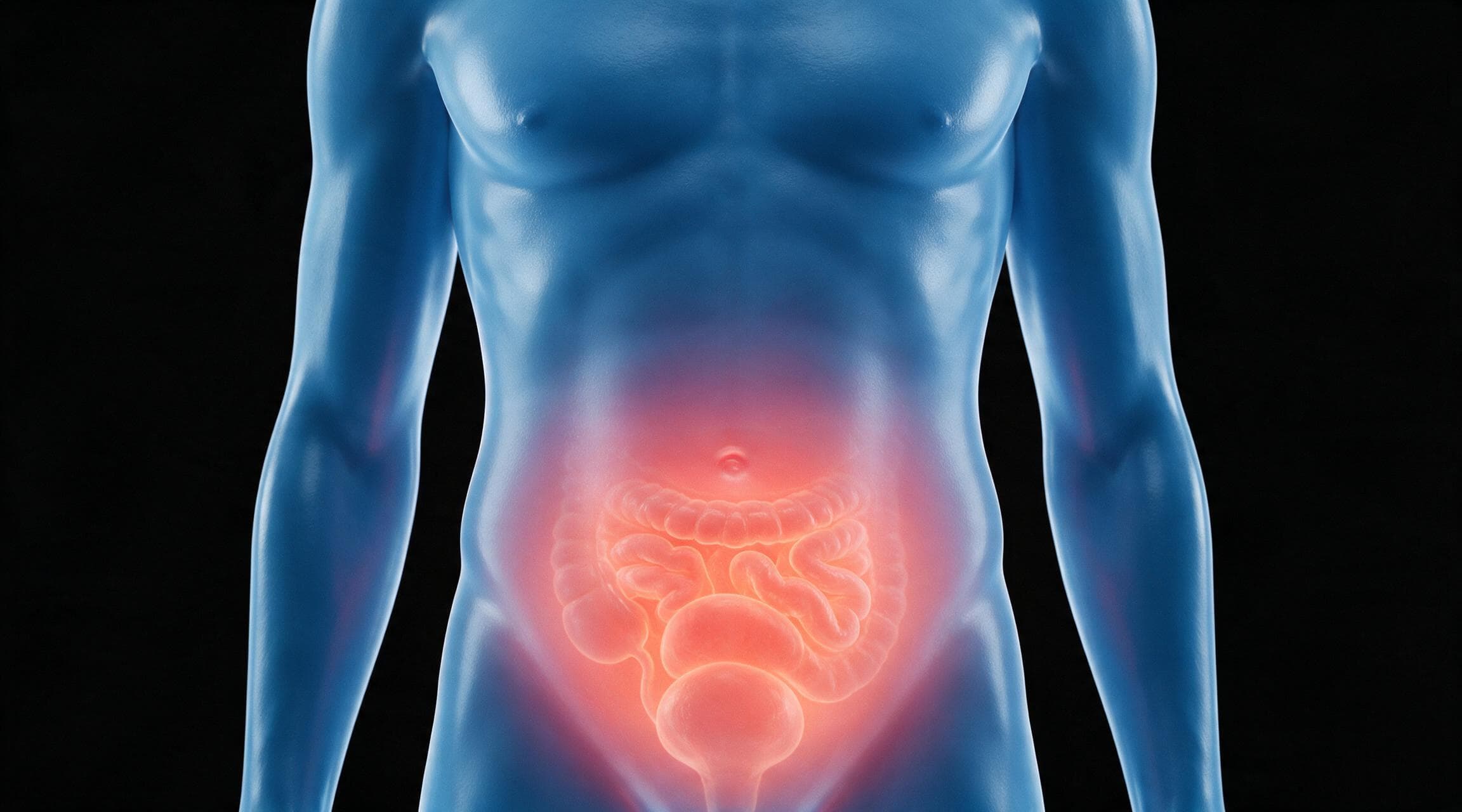
What this article covers
This guide explores the symptoms, causes, and treatment options for lower abdominal pain, focusing on conditions commonly originating in this region.
What is worth knowing first
What is worth knowing first
Below the navel
Where the pain sits
Source: Dr Sulaiman Bin Yusof, published clinical guidance
Three
Systems it can arise from
Source: Dr Sulaiman Bin Yusof, published clinical guidance
Six
Ways it commonly presents
Source: Dr Sulaiman Bin Yusof, published clinical guidance
Common presentations of lower abdominal pain.
Lower abdominal pain can present in several forms depending on its cause and severity. Common symptoms associated with lower abdominal pain include the following.
| Presentation | What it looks like |
|---|---|
| Sharp or cramping pain | The pain may range from a dull ache to sharp cramping or a throbbing sensation. It can radiate to other areas, such as the groin, back, or sides. |
| Bloating and distension | Often associated with gastrointestinal conditions, a feeling of fullness or visible swelling in the abdomen may accompany the pain. |
| Changes in bowel habits | Frequent diarrhoea, constipation, or sudden changes in stool consistency frequently occur with digestive system issues. |
| Painful or frequent urination | Lower abdominal pain may be accompanied by painful urination, frequent urges, or cloudy urine, often seen with urinary tract infections (UTIs) or kidney stones. |
| Nausea and vomiting | These symptoms are commonly seen with abdominal infections, blockages, or severe inflammation. In younger patients, a Meckel’s diverticulum, a pouch some people are born with, is an uncommon cause of pain and blockage. |
| Fever | A raised temperature may indicate infection or inflammation, such as with appendicitis or diverticulitis. |
Causes and risk factors of lower abdominal pain.
Lower abdominal pain is often caused by conditions affecting the gastrointestinal, urinary, or reproductive systems. Timely diagnosis and treatment are necessary to address the underlying issue. Common causes include the following.
How common is it? The Global Burden of Disease study put the worldwide age-standardised incidence of appendicitis in 2021 at 214 per 100,000 people, and the highest regional rate in high-income Asia Pacific, the region that includes Singapore, at 364 per 100,000 (GBD 2021 Appendicitis Collaborators, Lancet Gastroenterology and Hepatology, 2024).
Appendicitis
A common cause of acute lower right abdominal pain, appendicitis occurs when the appendix becomes inflamed, usually due to a blockage or infection. This condition often requires emergency surgery to reduce the risk of complications.
Gastroenteritis
Inflammation of the stomach and intestines, typically caused by viral or bacterial infections, can lead to cramping and lower abdominal pain. Symptoms often include diarrhoea, nausea, vomiting, and fever.
Urinary tract infections (UTIs)
UTIs frequently cause lower abdominal pain, particularly in women. These bacterial infections are associated with painful urination, frequent urges, and discomfort, often triggered by dehydration or poor hygiene.
Kidney stones
Sharp, radiating pain in the lower abdomen occurs when mineral deposits travel through the urinary tract. Kidney stones are often linked to inadequate hydration and high dietary sodium.
Ovarian cysts
In women, ovarian cysts can cause sudden, sharp lower abdominal pain, especially if they rupture or grow large enough to press on nearby structures. Hormonal imbalances are a typical contributing factor.
Testicular torsion
An emergency condition in men, testicular torsion involves the twisting of the spermatic cord, which cuts off blood supply. This leads to severe lower abdominal and groin pain, often linked to anatomical abnormalities or prior injuries.
Types of conditions that cause lower abdominal pain.
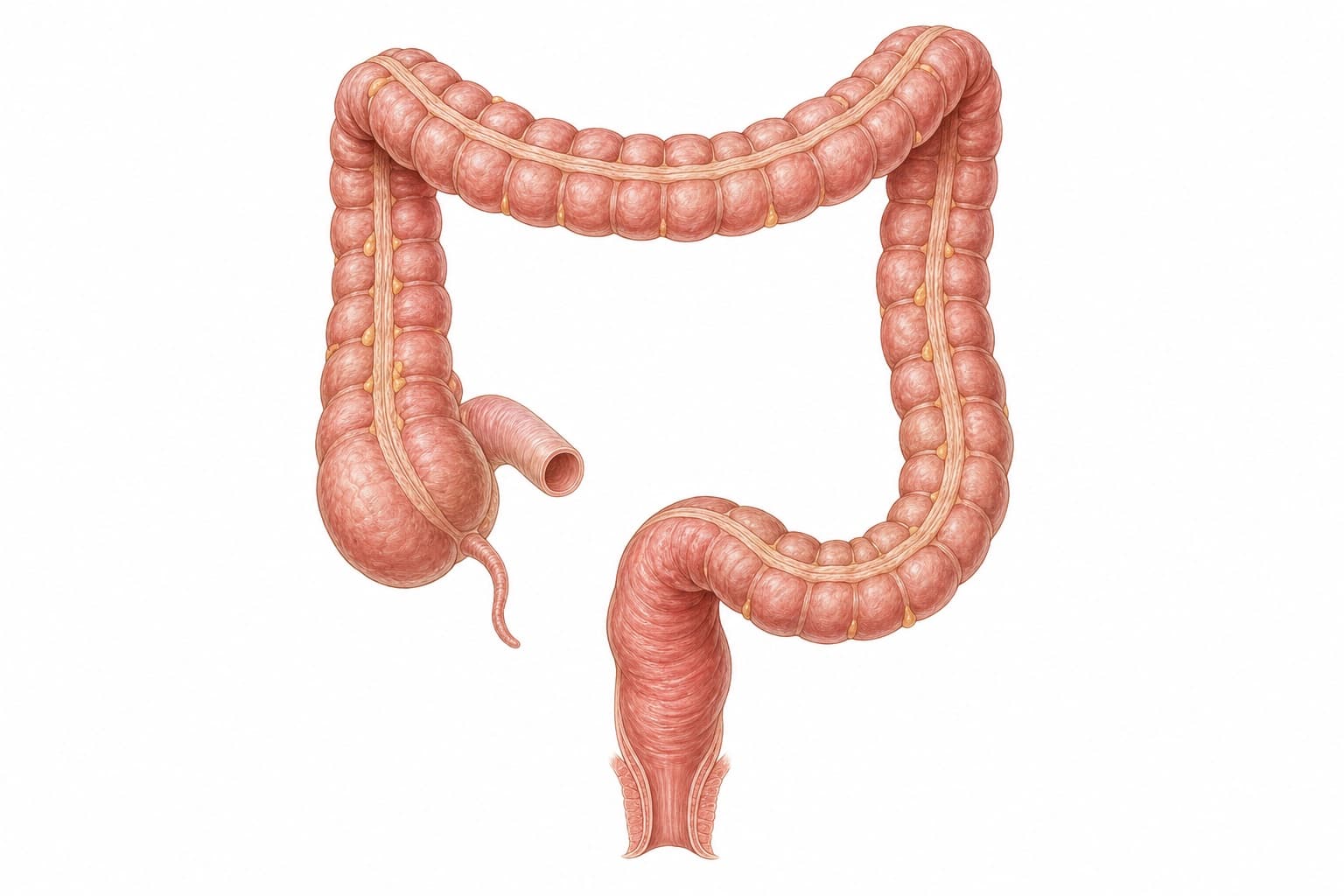
Colorectal conditions frequently cause chronic or recurrent lower abdominal pain due to inflammation, obstruction, or other disruptions in bowel function. These conditions have distinct presentations that differentiate them from other causes.
Diverticular disease is not rare here. In a Singapore series of 20,395 colonoscopies, diverticulosis was found in 19.6% overall, rising from 14.9% of scopes in 2006 to 23.9% in 2016, more often on the right side of the colon than the left, and abdominal pain was one of the features associated with finding it (Soh et al., Journal of Gastroenterology and Hepatology, 2021). Those are figures from people who were already having a colonoscopy, so they describe a tested group rather than the whole population.
Five
Colorectal conditions that cause it
Source: Dr Sulaiman Bin Yusof, published clinical guidance
Colorectal cancer
Persistent lower abdominal pain can occur when a tumour grows large enough to obstruct the bowel. Symptoms often include changes in bowel habits, blood in the stool, and unexplained weight loss. This condition is more common in individuals with a family history or poor dietary habits.
Inflammatory bowel disease (IBD)
Chronic inflammation of the gastrointestinal tract, as seen in Crohn's disease and ulcerative colitis, causes lower abdominal pain, diarrhoea, rectal bleeding, and weight loss. IBD is an autoimmune condition influenced by genetic and environmental factors.
Irritable bowel syndrome (IBS)
A functional gastrointestinal disorder, IBS is characterised by cramping and bloating, often relieved after a bowel movement. Symptoms fluctuate in response to stress or dietary triggers, as there is no structural abnormality in the bowel.
Colonic obstruction
Often caused by strictures or advanced colorectal cancer, colonic obstruction results in cramping pain, severe constipation, and bloating. This condition requires urgent medical attention to reduce the risk of complications such as bowel perforation.
Diverticular disease
This encompasses diverticulitis and diverticulosis. Diverticulitis involves acute inflammation and pain in the lower left abdomen, while diverticulosis may cause mild discomfort if the diverticula become irritated. Diverticulitis can also lead to fever and changes in bowel habits, necessitating prompt treatment.
Irritable bowel syndrome and inflammatory bowel disease sit side by side on this list. How irritable bowel syndrome is diagnosed, by ruling out inflammatory bowel disease and other conditions first, is set out on its own page. The symptoms that warrant assessment for colorectal cancer are covered in full on its own page.
Diagnostic methods.
Diagnosing lower abdominal pain typically requires a combination of clinical evaluation, imaging, and laboratory tests to accurately identify the underlying cause.
Physical examination
Tenderness, swelling and abnormal masses
Laboratory tests
Blood and urine, for infection and anaemia
Imaging studies
Ultrasound and CT, both widely used
Endoscopic procedures
A camera, and a tissue sample if indicated
| Method | What it involves |
|---|---|
| Physical examination | A thorough physical exam involves checking for areas of tenderness, swelling, or abnormal masses in the abdomen. The doctor may also assess for rebound tenderness, which can indicate conditions like appendicitis. Observing external symptoms, such as bloating or visible distension, helps narrow down possible causes. |
| Laboratory tests | Blood tests are used to detect signs of infection, inflammation, or anaemia, which may indicate conditions like diverticulitis or colorectal cancer. Urine tests are conducted to diagnose urinary tract infections (UTIs) or kidney stones. These tests provide initial information to guide further diagnostic steps. |
| Imaging studies | Ultrasound provides real-time images to detect ovarian cysts, appendicitis, or gallstones. A CT scan offers detailed cross-sectional images to identify conditions like diverticulitis, kidney stones, or bowel obstruction. Both methods are widely used for quick and accurate evaluation of abdominal pain. |
| Endoscopic procedures | Colonoscopy involves inserting a flexible tube with a camera to examine the colon for abnormalities, such as polyps, tumours, or inflammation from IBD. Sigmoidoscopy, a similar but shorter procedure, focuses on the lower part of the colon and rectum. Both procedures can include taking tissue samples (biopsies) for further analysis. |

What the endoscopic examination named above involves, how the preparation works, and what the day looks like is set out on the colonoscopy page.
Treatment options.
The treatment of lower abdominal pain caused by colorectal conditions varies based on the specific underlying issue and may involve lifestyle changes, medication, or surgical interventions in more severe cases.
Lifestyle changes
Fibre, fluids and avoiding trigger foods
Medication
Antibiotics, anti-inflammatories, antispasmodics
Surgery
When the cause needs removing or bypassing
Non-surgical treatment
For many of the colorectal causes above, the first steps are changes to diet and habit, and medication to control infection, inflammation and symptoms.
Lifestyle modifications
Lifestyle changes are often the first step in managing conditions like IBS or diverticular disease. A high-fibre diet, adequate hydration, and regular exercise can help improve bowel function and alleviate mild symptoms. Avoiding trigger foods, such as fatty or spicy meals, may also reduce discomfort.
Medications
Medications are commonly used to manage infections, inflammation, and other symptoms. Antibiotics treat bacterial infections such as diverticulitis, while anti-inflammatory drugs are prescribed for conditions like IBD. Laxatives or stool softeners help relieve constipation, and antispasmodics can reduce abdominal cramping. Pain relievers are also used for symptom control in some cases.
Surgical treatment
Where the cause has to be removed, reconnected or diverted, the operation is chosen to match the condition rather than the symptom.
Polypectomy
Polypectomy involves the removal of polyps during a colonoscopy. This procedure is commonly performed to prevent the progression of precancerous polyps into colorectal cancer. It is minimally invasive, often completed in a single session, and does not usually require hospitalisation.
Appendectomy
Appendectomy is the surgical removal of the appendix, typically performed when appendicitis is diagnosed. The procedure is often done laparoscopically, involving small incisions and shorter recovery times. Timely appendectomy reduces the risk of complications such as rupture or infection.
Resection surgery
Resection surgery involves removing a diseased section of the colon or rectum, often used in cases of advanced diverticulitis, severe IBD, or colorectal cancer. The remaining healthy portions of the bowel are reconnected. This surgery is often performed laparoscopically to minimise recovery time and reduce post-operative complications.
Colostomy or ileostomy
A colostomy or ileostomy is a procedure where part of the colon or small intestine is diverted to an opening in the abdomen. This is often required in cases of severe colorectal cancer, obstruction, or bowel perforation. The diversion may be temporary or permanent, depending on the condition and surgical outcome.
Polypectomy is the removal of polyps during a colonoscopy, which is what makes the colonoscopy a preventive procedure as well as a diagnostic one. The long-term evidence behind that sentence is the National Polyp Study’s 2012 analysis (Zauber et al.), whose findings support that removing adenomatous polyps at colonoscopy prevents death from colorectal cancer.
Prevention of colorectal conditions.
Preventing colorectal conditions involves maintaining a high-fibre diet, staying hydrated, and limiting red and processed meat consumption to support colon health.
Avoiding smoking and excessive alcohol consumption, along with regular physical activity, further reduces the risk of colorectal disorders.
50 and above
When regular screening begins
Source: HealthHub.sg, colorectal cancer screening guidance
The screening age above follows HealthHub’s colorectal cancer guidance, which recommends colonoscopy as a screening test from age 50 for average-risk adults. The long-term evidence for screening endoscopy is a 2013 New England Journal of Medicine analysis (Nishihara et al.) tracking colorectal cancer incidence and mortality after lower endoscopy.
Conclusion.
Lower abdominal pain can arise from a variety of causes, ranging from minor issues to serious medical conditions. Early diagnosis and targeted treatment can help manage symptoms and address underlying causes effectively.
For colorectal-related conditions, regular screenings and preventative measures are key to maintaining digestive health. A change in bowel habit that persists, or blood in the stool, is covered in more detail in what blood in the stool can mean.
If you are experiencing persistent or severe lower abdominal pain, schedule a consultation to have it assessed.
Common questions about lower abdominal pain.
What is lower abdominal pain?
Lower abdominal pain is pain located below the belly button. It is a common symptom that can arise from various causes, including gastrointestinal, urinary, and reproductive system conditions. It can range from mild discomfort to severe pain, and timely diagnosis is what reduces the risk of complications.
What symptoms can come with lower abdominal pain?
Lower abdominal pain can present in several forms depending on its cause and severity. Common symptoms associated with it include sharp or cramping pain, bloating and distension, changes in bowel habits, painful or frequent urination, nausea and vomiting, and fever.
What causes lower abdominal pain?
Lower abdominal pain is often caused by conditions affecting the gastrointestinal, urinary, or reproductive systems. Common causes include appendicitis, gastroenteritis, urinary tract infections, kidney stones, ovarian cysts, and testicular torsion. Colorectal conditions, including colorectal cancer, inflammatory bowel disease, irritable bowel syndrome, colonic obstruction and diverticular disease, frequently cause chronic or recurrent lower abdominal pain.
When is lower abdominal pain an emergency?
Testicular torsion is an emergency condition in men: the spermatic cord twists and cuts off blood supply, leading to severe lower abdominal and groin pain. A raised temperature alongside lower abdominal pain may indicate infection or inflammation, such as appendicitis or diverticulitis.
How is lower abdominal pain diagnosed?
Diagnosing lower abdominal pain typically requires a combination of clinical evaluation, imaging, and laboratory tests to accurately identify the underlying cause. The methods include a physical examination, blood and urine tests, ultrasound and CT imaging, and endoscopic procedures such as colonoscopy.
At what age should colorectal cancer screening begin?
Regular screenings, such as colonoscopies, are necessary for early detection of colorectal cancer and precancerous polyps, especially for individuals aged 50 and above or with a family history. The age threshold follows HealthHub's colorectal cancer screening guidance.
What causes lower abdominal pain in females that men do not get?
Men and women share most causes of lower abdominal pain: appendicitis, gastroenteritis, urinary tract infections, kidney stones and the colorectal conditions described on this page. Two things differ. Urinary tract infections are a frequent cause of lower abdominal pain particularly in women, and the reproductive system adds causes of its own, such as an ovarian cyst that ruptures or grows large enough to press on nearby structures, where hormonal imbalance is a typical contributing factor. Because the same pain can come from the bowel, the urinary tract or the reproductive organs, the assessment looks at all three rather than assuming one.
When should I go to the hospital for lower abdominal pain?
Seek immediate medical attention if lower abdominal pain is accompanied by a high fever, severe pain that prevents normal activity, persistent vomiting, visible blood in stool or urine, or sudden onset of severe pain. In men, severe pain with groin involvement can indicate testicular torsion, which is a medical emergency. If you are unsure about the severity, it is always better to have the pain assessed by a healthcare professional rather than wait.
What should I expect from a doctor when I have persistent lower abdominal pain?
A thorough assessment typically begins with a detailed history of your pain (when it started, how severe it is, what makes it worse or better) and a physical examination. Your doctor may order blood and urine tests, and possibly imaging such as ultrasound or CT scanning, or an endoscopic procedure like colonoscopy to identify the underlying cause. Once a diagnosis is established, treatment is tailored to address the specific condition. Early diagnosis leads to more targeted and effective treatment.
The surgeon
The surgeon.
Dr Sulaiman's practice is built around complex colorectal surgery, with robotic-assisted technique as his primary surgical platform for colectomy and anterior resection. He has contributed eight peer-reviewed publications.
Patients consult Dr Sulaiman for his depth of experience in colorectal cancer and perianal conditions, as well as for consultations that are thorough, unhurried, and focused on giving patients a clear understanding of their options.
Former Director of Endoscopy, Changi General Hospital
He led the endoscopy unit at Changi General Hospital, a high-volume diagnostic service covering colonoscopy and gastroscopy across a broad and diverse patient population, and brings that public-sector depth to his private practice.
Book a consultation
Persistent or severe lower abdominal pain. Start with an assessment.
Lower abdominal pain can arise from a variety of causes, ranging from minor issues to serious medical conditions. Early diagnosis and targeted treatment can help manage symptoms and address underlying causes effectively. If the pain is persistent or severe, book a consultation to have it assessed. Appointments are available across five clinic locations in Singapore, and self-referrals are welcome.