Gallstones
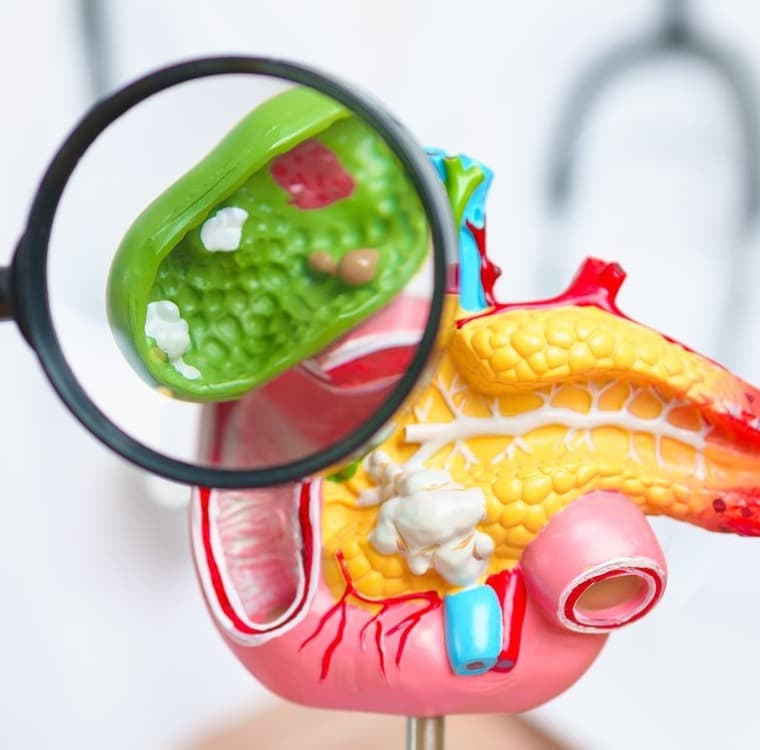
Gallstones are hardened deposits of bile that can form in the gallbladder.
It is a small organ located beneath the liver. While some individuals with gallstones experience no symptoms, others may suffer from severe abdominal pain, nausea, and digestive issues.
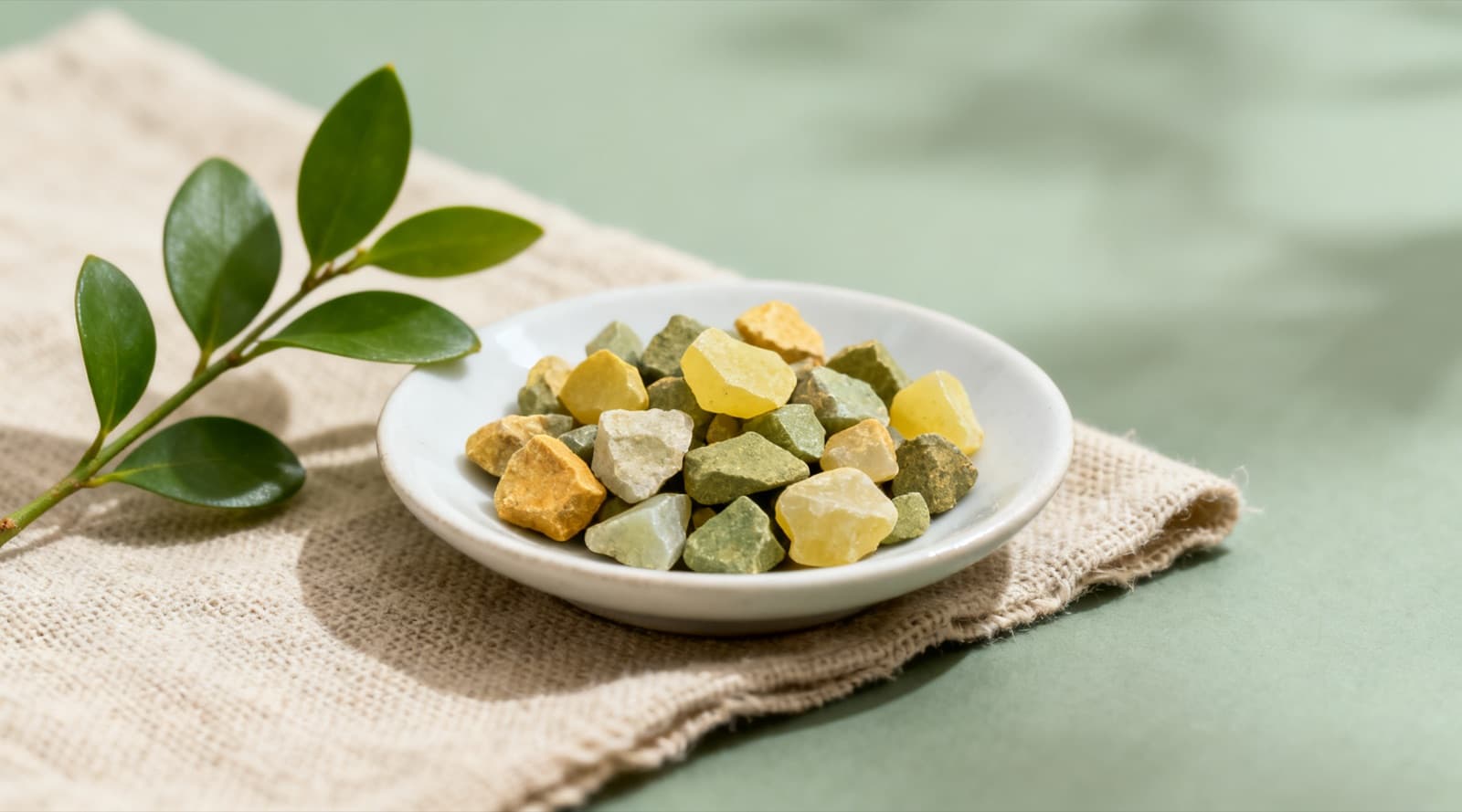
The treatment options for gallstones divide into two groups: those that manage symptoms without an operation, and those that remove the gallbladder or the stones themselves.
Left untreated, gallstones can lead to complications such as infections or bile duct blockages, requiring timely intervention. This article explores the available treatment options, both non-surgical and surgical, to help manage gallstones effectively and improve well-being.
+65 8491 1525
Treatment options for gallstones without an operation.
For individuals with minimal symptoms or those unable to undergo surgery, non-surgical options may be effective.
Bile acid medication works only on small, cholesterol-based gallstones, and it is not effective for pigment stones or larger ones.
| Option | What it does | Where its limit sits |
|---|---|---|
| Bile acid medication | Dissolves small, cholesterol-based gallstones over time; typically prescribed when surgery is not suitable | Requires long-term use; not effective for pigment stones or larger gallstones |
| Dietary and lifestyle adjustments | Help manage symptoms and reduce the risk of future gallstone formation | Manages symptoms; removing the stones takes a procedure |
Medications to dissolve gallstones
Bile acid medications, such as ursodeoxycholic acid, can help dissolve small, cholesterol-based gallstones over time. These are typically prescribed for patients who are not suitable candidates for surgery. However, this method requires long-term use and is not effective for pigment stones or larger gallstones.
Dietary and lifestyle adjustments
Making dietary changes can help manage symptoms and reduce the risk of future gallstone formation. A low-fat, high-fibre diet with plenty of fruits, vegetables, and whole grains is recommended. Avoiding heavy or fatty meals can help reduce the likelihood of triggering painful gallstone attacks. Staying hydrated and maintaining a healthy weight also contribute to gallbladder health.
The limits he describes match the published evidence. In a 1982 study in Annals of Internal Medicine, ursodeoxycholic acid dissolved cholesterol gallstones over months of treatment, and large stones were the least likely to clear (Tint et al., 1982). The same split, medication for small cholesterol stones and surgery for pigment stones, is how the US National Institute of Diabetes and Digestive and Kidney Diseases sets out the non-surgical options.
The published figures sit behind the distinction he draws. In a meta-analysis of 23 randomised trials, high-dose ursodeoxycholic acid taken for more than six months completely dissolved radiolucent gallstones in 37.3% of patients, low-dose in 20.6%, and stones under 10 mm dissolved significantly more often than larger ones (May et al., Alimentary Pharmacology and Therapeutics, 1993). For stones that cause no symptoms at all, a review of the natural-history studies put the rate at which serious symptoms or complications develop at about 1% to 2% of patients per year, with fewer complications in later years than in the years soon after the stones are found (Friedman, American Journal of Surgery, 1993).
Non-surgical options manage symptoms, while surgery removes the gallbladder or the stones themselves, so the decision between them is worth making with a surgeon rather than alone. Where he consults, and how to arrange that, is on the contact page.
Surgical treatment options for gallstones: when the gallbladder, or the stone, has to come out.
Surgery is the most common and effective solution for symptomatic gallstones or those causing complications.
Three
Procedures, and the case each one answers
Keyhole removal, open removal and ERCP. They are not ranked alternatives to choose between: the first two remove the gallbladder and differ in how the surgeon reaches it, while the third clears a duct and is often done alongside surgery rather than in place of it.
Source: Dr Sulaiman Bin Yusof, published clinical guidance
Laparoscopic
The preferred method for most gallbladder removals
Open
For severe inflammation, infection or scarring
ERCP
For stones that have moved into the bile ducts
Laparoscopic cholecystectomy, keyhole surgery
This minimally invasive procedure involves removing the gallbladder through small incisions in the abdomen. A laparoscope, equipped with a tiny camera, provides a clear view of the surgical area, enabling the surgeon to perform the procedure with accuracy. Laparoscopic cholecystectomy is the preferred method due to its shorter recovery time, less post-operative pain, and minimal scarring.
Open cholecystectomy
For more complex cases, such as severe inflammation, infection, or scarring, open surgery may be necessary. This procedure involves a larger incision to access and remove the gallbladder. While recovery takes longer than laparoscopic surgery, it allows comprehensive treatment of advanced or complicated conditions.
Endoscopic retrograde cholangiopancreatography, ERCP
ERCP is a specialised procedure used to address gallstones that have moved into the bile ducts, causing blockages or infections. During this procedure, an endoscope is guided through the mouth, stomach, and into the small intestine to access the bile ducts. Stones can then be removed or the duct can be widened to improve bile flow. ERCP is often used alongside surgical treatments for complete management.
| Procedure | What it involves | When it is used |
|---|---|---|
| Laparoscopic cholecystectomy | The gallbladder is removed through small incisions in the abdomen, guided by a laparoscope carrying a tiny camera | The preferred method: shorter recovery, less post-operative pain, minimal scarring |
| Open cholecystectomy | A larger incision to access and remove the gallbladder | Complex cases, such as severe inflammation, infection, or scarring |
| ERCP | An endoscope guided through the mouth, stomach, and small intestine to reach the bile ducts | Stones that have moved into the bile ducts; often used alongside surgery |
The preference for keyhole surgery is not his alone. A 2006 Cochrane review comparing laparoscopic with open cholecystectomy found the laparoscopic approach associated with a shorter hospital stay and a quicker convalescence, confirming the existing preference for it (Keus et al., 2006). NHS guidance describes the same shape of care: surgery to remove the gallbladder as the main treatment for gallstones, with ERCP used to clear stones found in the common bile duct.
ERCP is performed with an endoscope rather than through the abdomen. The keyhole operation itself is set out on the gallbladder removal page.
Untreated they can turn serious. Treated, they are manageable.
Gallstones can cause significant discomfort and lead to serious complications if left untreated.
Which treatment applies depends on the severity of the condition and on your overall health.
By exploring available treatment options, individuals can find solutions tailored to their symptoms and health conditions. Surgical and non-surgical approaches both offer effective ways to manage gallstones and improve quality of life.
Which of them applies to you is settled at consultation, once your symptoms, the severity of the condition and your general health have been assessed. Dr Sulaiman will go through what each route would involve in your own case.

What is worth knowing first
What is worth knowing first
Two
Routes, and which one depends on you
Gallstone treatment divides into non-surgical options, which manage symptoms and suit people with minimal symptoms or who cannot undergo surgery, and surgical procedures, which remove the gallbladder or the stones. Which route applies is a clinical judgement rather than a preference.
Source: Dr Sulaiman Bin Yusof, published clinical guidance
Left untreated, gallstones can lead to complications such as infections or bile duct blockages.
Keyhole
The usual way the gallbladder comes out
A laparoscopic cholecystectomy removes the gallbladder through small incisions in the abdomen, guided by a laparoscope carrying a tiny camera. It is the preferred method because of its shorter recovery time, less post-operative pain and minimal scarring. Open surgery is reserved for the more complex cases.
Source: Dr Sulaiman Bin Yusof, published clinical guidance
Bile ducts
Where a stone changes the treatment
A gallstone that has moved out of the gallbladder and into the bile ducts can block them or cause infection. That situation is addressed with ERCP, an endoscopic procedure, and ERCP is often used alongside surgical treatment rather than instead of it.
Source: Dr Sulaiman Bin Yusof, published clinical guidance
Frequently asked questions
Can gallstones be treated without surgery?
For individuals with minimal symptoms or those unable to undergo surgery, non-surgical options may be effective. Those options manage symptoms; removing the gallbladder or the stones themselves takes a surgical procedure.
Can medication dissolve gallstones?
Bile acid medications, such as ursodeoxycholic acid, can help dissolve small, cholesterol-based gallstones over time. They are typically prescribed for patients who are not suitable candidates for surgery, they require long-term use, and they are not effective for pigment stones or larger gallstones.
What is the usual operation for gallstones?
Laparoscopic cholecystectomy, keyhole surgery, is the preferred method. The gallbladder is removed through small incisions in the abdomen, guided by a laparoscope carrying a tiny camera. Recovery is shorter, post-operative pain is less, and scarring is minimal compared with open surgery.
When is open surgery needed instead?
For more complex cases, such as severe inflammation, infection, or scarring, open surgery may be necessary. The gallbladder is accessed and removed through a larger incision, and recovery takes longer than with laparoscopic surgery.
What happens if a gallstone moves into the bile duct?
A gallstone that has moved into the bile ducts can cause blockages or infections. ERCP, endoscopic retrograde cholangiopancreatography, guides an endoscope through the mouth, stomach, and into the small intestine to reach the ducts. Stones can then be removed, or the duct can be widened to improve bile flow. ERCP is often used alongside surgical treatment.
Which treatment applies in my case?
That depends on the severity of the condition and on your overall health, including whether you are a suitable candidate for surgery and whether the stones are in the gallbladder or have moved into the bile ducts. It is settled at consultation, once your symptoms and general health have been assessed.
What risks come with watchful waiting if I have no symptoms?
Gallstones that cause no symptoms carry a low risk. In the published natural-history studies summarised by Friedman (American Journal of Surgery, 1993), serious symptoms or complications developed in about 1% to 2% of people with asymptomatic gallstones each year, with fewer complications in later years than soon after the stones were found, and acute cholecystitis was the commonest serious complication. Observation is therefore often reasonable when there are no symptoms; whether it is right for you depends on your own risk factors, which is a conversation to have with your surgeon.
How long does laparoscopic surgery recovery take?
Shorter than open surgery. In the 2006 Cochrane review of 38 randomised trials, laparoscopic cholecystectomy shortened the hospital stay by about three days on average and the convalescence by about three weeks compared with open cholecystectomy. Your own recovery depends on your health and on what is found at the operation, so the surgeon gives you a timeline for your case rather than a general one.
The author
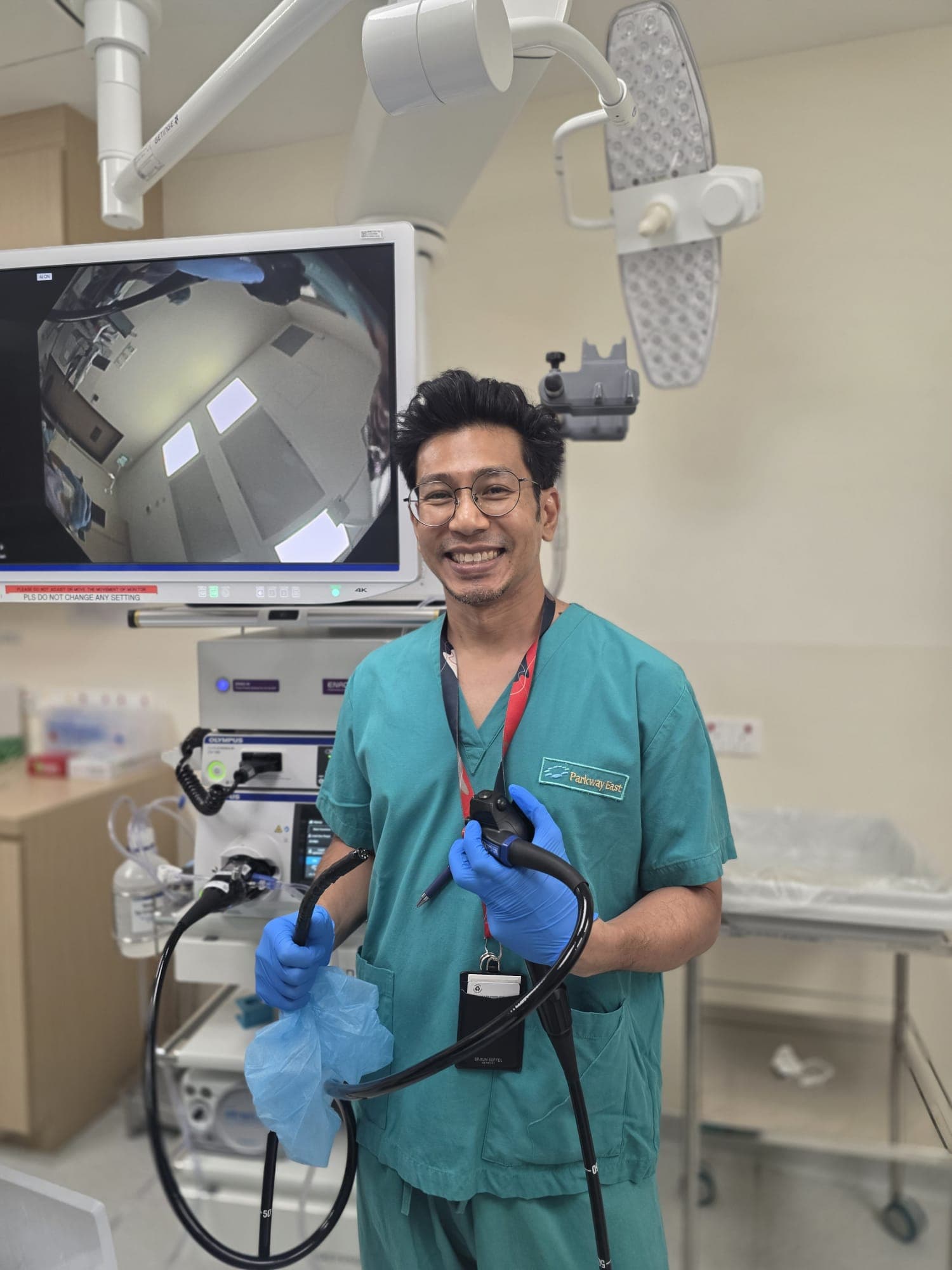
Dr Sulaiman Bin Yusof
Senior Consultant Colorectal and General Surgeon with Colorectal Clinic Associates, Singapore, with over 20 years of surgical experience across public and private practice.
He wrote this article and is responsible for its clinical content.
- Qualifications
- MBChB (Sheffield)
- M.Med (Surgery)
- FRCSEd (General Surgery)
- Fellowship
- Peter MacCallum Cancer Centre, Melbourne
- Previously
- Former Director of Endoscopy, Changi General Hospital
- Also
- Visiting Consultant, Changi General Hospital
Book a consultation
Experiencing gallstone symptoms? Start with a proper assessment.
Gallstones can cause significant discomfort and lead to serious complications if left untreated. If you are experiencing gallstone symptoms, or you are weighing up the treatment options, book a consultation for professional advice and care. Appointments are available across five clinic locations in Singapore, and self-referrals are welcome.