Celiac disease
Celiac disease is treated by removing gluten, not by managing symptoms.
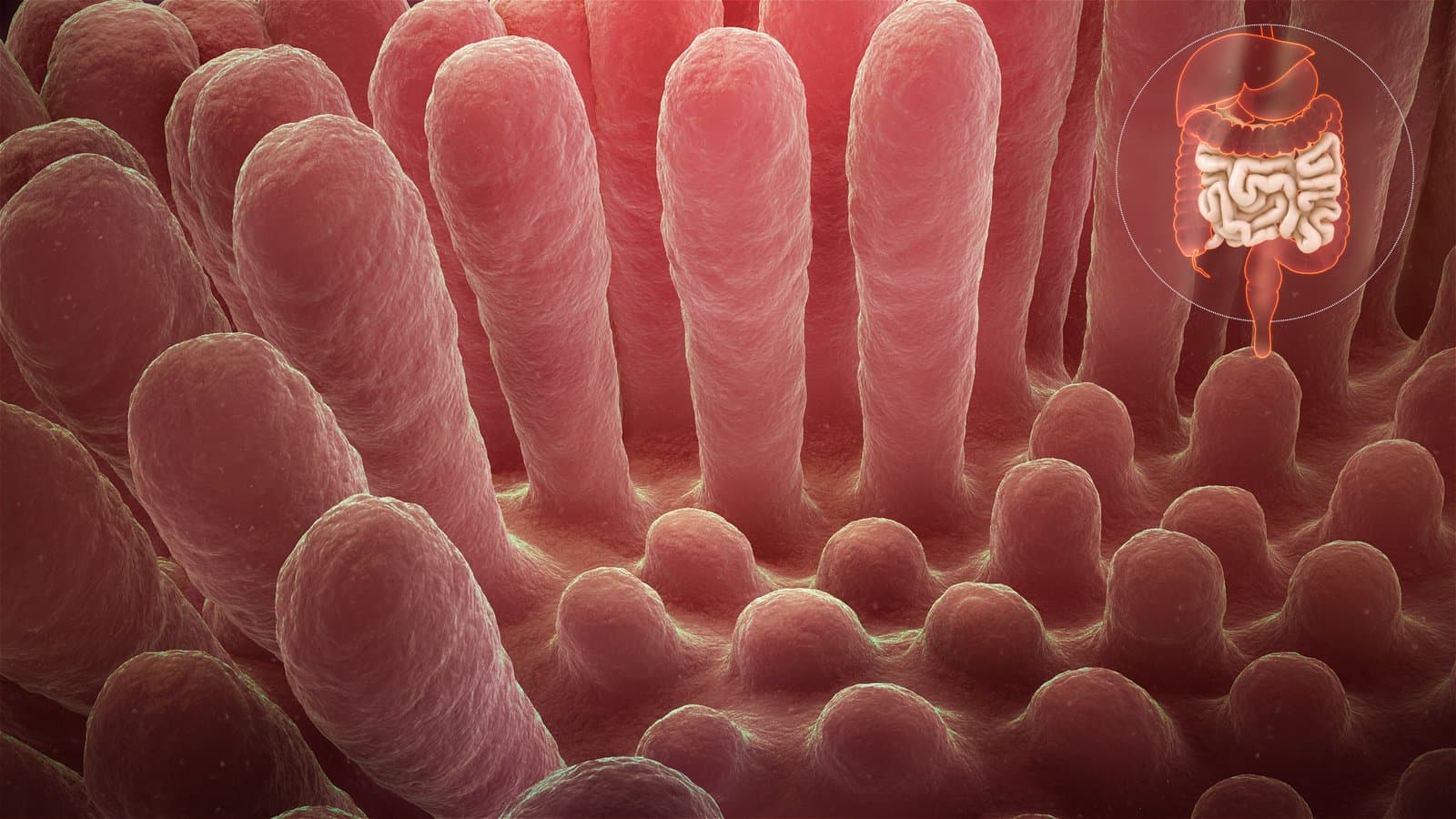
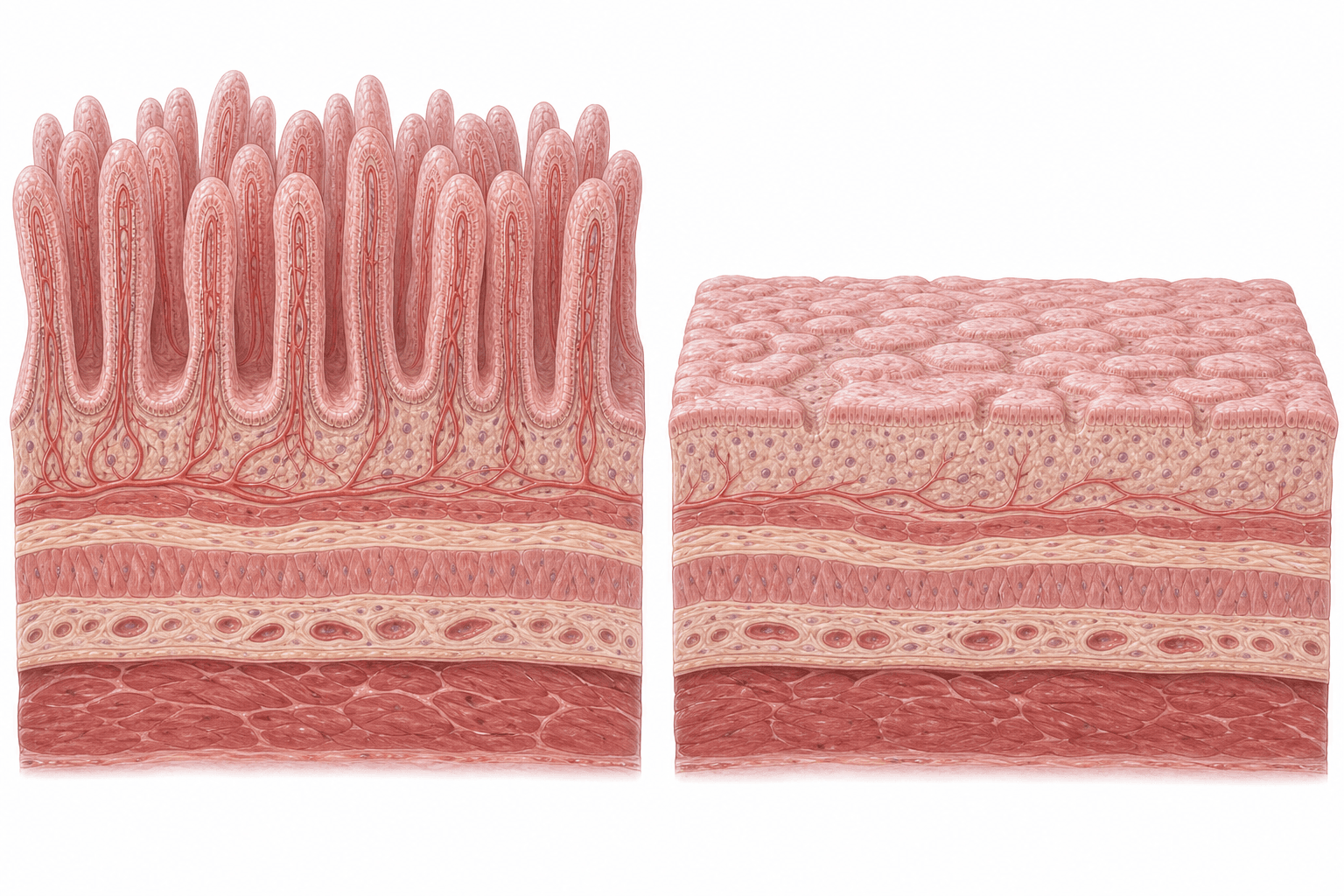
The body reacts abnormally to gluten, a protein found in wheat, barley and rye. Eating it triggers an immune response that damages the villi, the tiny finger-like projections lining the small intestine, and that damage reduces how much nutrition the body takes in. Left untreated it can lead to malnutrition, anaemia and osteoporosis.
FRCSEd (General Surgery)Five clinics in Singapore
In short
Gluten
What sets it off
A protein found in wheat, barley and rye. In celiac disease the body reacts abnormally to it, and the reaction is an immune one rather than an intolerance.
Villi
What gets damaged
The tiny finger-like projections lining the small intestine. Once they are damaged the body absorbs less from food, which is where the anaemia, the weight loss and the fatigue come from.
Two tests
How it is confirmed
A blood test looks for the antibodies. An endoscopy takes tissue samples from the small intestine, which is what confirms the diagnosis and shows how much damage there is.
Diet first
What treatment looks like
A strict gluten-free diet is the primary treatment. Surgery is considered only for a complication such as obstruction, ulcers or severe intestinal damage.
What every patient should know
What every patient should know
3
Grains that carry gluten
Source: Dr Sulaiman Bin Yusof, clinical practice
Gluten is eaten
Wheat, barley or rye
The immune system reacts
The reaction damages the villi
Absorption falls
Nutrients pass through unabsorbed
1 in 100
Roughly how common it is worldwide
Source: Singh et al., Clinical Gastroenterology and Hepatology, 2018
1 in 200
Biopsy-confirmed across Asia
Source: Singh et al., Journal of Gastroenterology and Hepatology, 2016
His story
Dr Sulaiman Bin Yusof
Senior Consultant Colorectal and General Surgeon, seeing patients at five clinics in Singapore.
- MBChB (Sheffield), M.Med (Surgery), FRCSEd (General Surgery)
- Consults in English and Malay
- MOH Fellowship, Peter MacCallum Cancer Centre, Melbourne
- Singapore Health Quality Service Star Award 2023
- Dean's Honour Roll for Teaching
Symptoms
Many of the symptoms are not digestive ones at all.
Celiac disease can present a wide range of symptoms that vary among individuals, which include the following.
Digestive issues
Diarrhoea, bloating, gas, and constipation are common, especially in children. Adults may experience chronic abdominal pain and discomfort that can affect daily activities.
Fatigue
Chronic fatigue can develop due to poor absorption of essential nutrients, leaving the body undernourished.
Weight changes
Unexplained weight loss occurs as the body struggles to absorb nutrients from food, leading to malnutrition. Being underweight is not the rule, though, and this is where the condition is most often missed. In a series of 371 patients, 39% were overweight at diagnosis, including 13% of the whole group in the obese range, while only 5% were underweight. A normal or high weight does not rule celiac disease out. Source: Dickey and Kearney, American Journal of Gastroenterology, 2006.
Skin rash
Dermatitis herpetiformis is a skin manifestation of celiac disease, characterised by intensely itchy, blistering rashes. These rashes typically appear on the elbows, knees, buttocks, and sometimes the scalp or back. It is not the usual presentation: among people with untreated celiac disease it affects about 2% to 3% of children and 10% to 20% of adults. Source: National Institute of Diabetes and Digestive and Kidney Diseases, United States, which is not a Singapore source.
Anaemia
Iron deficiency anaemia can result from malabsorption of iron and other nutrients, presenting symptoms like paleness, dizziness, and shortness of breath, which can worsen without treatment.
These symptoms overlap with a long list of other conditions, and having one of them does not mean celiac disease is present. It means the question is worth answering properly, with a test rather than with a trial of avoiding bread.
Causes and risk
It takes an inherited susceptibility and something that sets it off.
Celiac disease occurs due to a combination of genetic and environmental factors. Common causes include the following.
Who carries HLA-DQ2 or HLA-DQ8
- With celiac disease
- Nearly all
- General population
- About 3 in 10
Source: Rubio-Tapia et al., American College of Gastroenterology guideline, 2013, and the National Institute of Diabetes and Digestive and Kidney Diseases, United States. Neither is a Singapore source.
Carrying the gene is common. Developing celiac disease is not. Only about 3% of people who carry DQ2 or DQ8 ever develop the condition, which is why the genetic test is useful mainly for ruling it out: test negative for both and celiac disease becomes very unlikely, while testing positive tells you almost nothing on its own. A diagnosis still rests on the antibodies and on the tissue sample. Sources: National Institute of Diabetes and Digestive and Kidney Diseases, United States, and Rubio-Tapia et al., American College of Gastroenterology guideline, 2013. Neither is a Singapore source.
Inherited genetic markers
Celiac disease is associated with inherited genetic markers, particularly HLA-DQ2 or HLA-DQ8. Individuals with these genes have a higher risk of developing the condition. Coeliac disease has a strong hereditary component, with people who have close relatives with the condition being more likely to develop it themselves.
Other autoimmune conditions
Individuals with other autoimmune disorders, such as type 1 diabetes or autoimmune thyroid disease, are at a higher risk of developing coeliac disease. The presence of one autoimmune condition may make the immune system more susceptible to developing others.
Events that trigger the onset
Stress, pregnancy, infections, or surgery can sometimes trigger the onset of celiac disease in genetically predisposed individuals. These factors may disrupt the immune system and initiate the abnormal response to gluten. This part is not settled. The genes and the gluten are established; which environmental events set the condition off is still being studied, so nobody can tell you with certainty what started yours. Source: National Institute of Diabetes and Digestive and Kidney Diseases, United States, which is not a Singapore source.
Diagnosis
Confirming it takes more than one test.
Diagnosing celiac disease involves several tests to confirm the condition and assess the extent of intestinal damage.
Blood test
Antibodies such as tTG-IgA
Genetic test
HLA-DQ2 or HLA-DQ8, mainly to rule out
Endoscopy and biopsy
Tissue samples confirm the damage
Blood tests
Blood tests detect the presence of antibodies associated with celiac disease. Elevated levels of tissue transglutaminase (tTG-IgA) or other relevant antibodies suggest an immune response to gluten. Total IgA is measured alongside it. Some people do not make enough IgA, and in them the tTG-IgA result can read normal even when celiac disease is present, so a different antibody test is used instead. Source: NICE guideline NG20, United Kingdom, recommendation 1.2.2, which is not a Singapore guideline.
Genetic testing
Genetic testing identifies whether a person carries the HLA-DQ2 or HLA-DQ8 genes, which increase the risk of celiac disease. However, having these genes alone is not enough for a diagnosis, as many people with these markers never develop the condition.
Endoscopy and biopsy
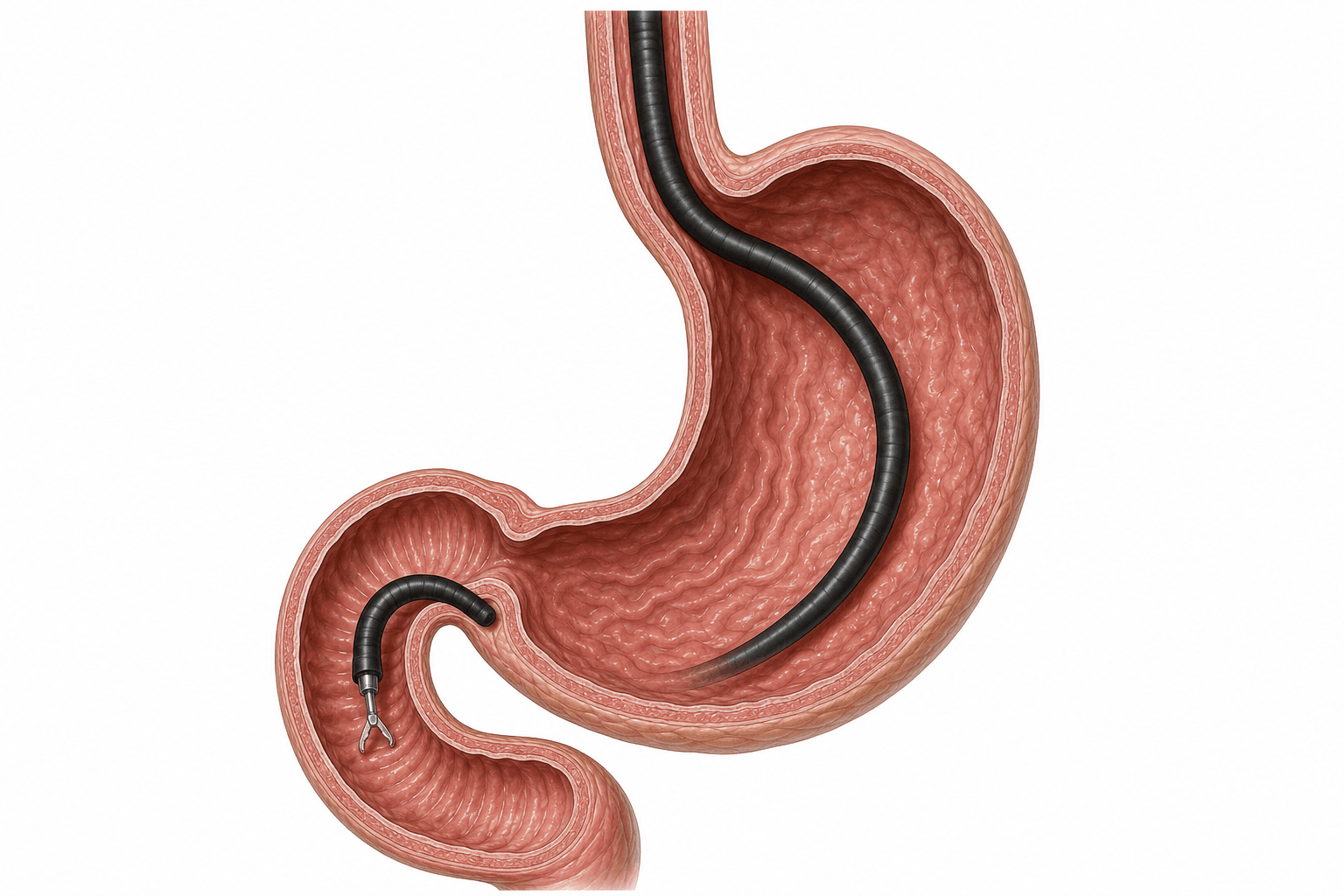
To confirm celiac disease, a doctor may perform an endoscopy to examine the small intestine and take tissue samples, called biopsies, to assess damage to the villi.
Keep eating gluten until the testing is finished. Both the blood test and the biopsy look for what gluten is doing to the bowel, so cutting it out first can make both read normal even when celiac disease is present.
The NICE guideline used in the United Kingdom asks people to eat gluten in more than one meal every day for at least six weeks before being tested. Source: NICE guideline NG20, United Kingdom, which is not a Singapore guideline and is named here because it puts the point plainly. If you have already stopped, say so at your consultation rather than restarting on your own.
The endoscopy used here is an upper one, a gastroscopy, which reaches the first part of the small intestine. Its possible fees are explained in the gastroscopy cost guide page, and Dr Sulaiman ran the endoscopy service at Changi General Hospital before moving into private practice, which is covered on his about page.
Treatment
Treatment manages the condition and protects the intestine.
As a chronic condition, celiac disease treatment focuses on managing symptoms and preventing further damage to the small intestine. Treatment methods include the following.
34% at 2 years
Adults whose intestinal lining had healed
Source: Rubio-Tapia et al., American Journal of Gastroenterology, 2010
Gluten-free diet
The primary treatment is a strict gluten-free diet, which requires avoiding wheat, barley, rye, and their derivatives. Safe alternatives include gluten-free grains like rice and quinoa. This diet helps to heal the intestine and prevent symptoms from recurring.
Nutritional supplements
Supplements such as iron, calcium, vitamin D, and B vitamins may be needed to address deficiencies caused by poor nutrient absorption. These supplements support recovery and help maintain overall health.
Medication
Medications may help manage specific symptoms or complications of coeliac disease. Dapsone or other anti-inflammatory drugs can control the rashes associated with dermatitis herpetiformis. Dapsone holds the rash while the diet does the underlying work, rather than replacing it, and the rash can take six months to two years to settle on a gluten-free diet. In cases of severe intestinal inflammation or persistent symptoms, steroids or immunosuppressants may be prescribed to reduce immune activity and support healing. Sources: Caproni et al., Journal of the European Academy of Dermatology and Venereology, 2009; National Institute of Diabetes and Digestive and Kidney Diseases, United States.
Small bowel resection
A small bowel resection involves removing a damaged portion of the small intestine. It treats a complication rather than the celiac disease itself, and the reasons to operate are an obstruction, a stricture, ulceration that will not heal, or a cancer of the small bowel. The remaining parts of the intestine are reconnected to allow digestion to continue. It is not the next step up from the diet when the diet is not working: persistent symptoms on a strict gluten-free diet are investigated first, because the usual explanation is hidden gluten rather than anything a surgeon can remove. Sources: Rubio-Tapia et al., American College of Gastroenterology guideline, 2013; National Institute of Diabetes and Digestive and Kidney Diseases, United States.
Surgery is the exception here rather than the rule, and it is worth being precise about why. It treats a complication, an obstruction, a stricture, an ulcer that will not heal or a cancer of the small bowel. It is not an escalation for the disease itself. If symptoms persist on a strict gluten-free diet, the next step is finding out why, not an operation.
Living with it
Most of the work happens outside the clinic.
Once the diagnosis is made, the job shifts to keeping the diet strict, keeping nutrient levels up, and finding gluten in the places it is not obvious.
2.8x
Lymphoma rate against the general population, all patients
Source: Lebwohl et al., Annals of Internal Medicine, 2013
14%
Osteoporosis in men and premenopausal women with celiac disease
Source: Ganji et al., Nutrition Journal, 2019
Strict adherence to the diet
Strict adherence to a gluten-free diet is required to prevent complications.
Regular monitoring of nutrient levels
Regular monitoring of nutrient levels helps address deficiencies early.
Hidden gluten and cross-contamination
It is necessary to avoid hidden gluten in processed foods, medications, and supplements, and to prevent cross-contamination during food handling.
Common questions
The questions that come up in consultation.
Should I stop eating gluten before I am tested?
Not until the testing is done. Both the blood test and the biopsy look for what gluten is doing to you, so cutting it out beforehand can make both read normal even when celiac disease is present. The NICE guideline used in the United Kingdom asks people to eat gluten in more than one meal every day for at least six weeks before being tested. If you have already stopped, say so at your consultation rather than restarting on your own, because how much you need to eat and for how long is a decision to make with a doctor. Source: NICE guideline NG20, United Kingdom, which is not a Singapore guideline and is named here because it puts the point plainly.
How soon will I feel better after cutting out gluten?
Some people experience relief from symptoms within a few days to weeks after eliminating gluten. However, intestinal healing can take several months to years, depending on the severity of the damage. To put numbers on that: in 241 adults followed with repeat biopsies, confirmed healing of the intestinal lining had happened in 34% by two years and 66% by five. Feeling well again arrives long before the lining does, which is why follow-up still matters once the symptoms have settled. Source: Rubio-Tapia et al., American Journal of Gastroenterology, 2010.
Can untreated celiac disease cause long-term complications?
Yes, untreated celiac disease can result in complications such as osteoporosis due to poor calcium absorption and an increased risk of certain cancers, including intestinal lymphoma. Strict adherence to a gluten-free diet helps reduce these risks and improve long-term health. Two things are worth knowing about the cancer risk. It is a rare complication to begin with, and the size of it has been measured: among 7,625 people with celiac disease who had a follow-up biopsy, lymphoproliferative cancer ran at 2.81 times the general population rate overall, 3.78 times in those whose villi had not recovered, and 1.50 times in those whose villi had, a figure not statistically distinguishable from the general population. Sources: Lebwohl et al., Annals of Internal Medicine, 2013, and the National Institute of Diabetes and Digestive and Kidney Diseases (source: National Institute of Diabetes and Digestive and Kidney Diseases, United States, opens in a new tab), United States.
Does celiac disease affect children and adults differently?
Yes, children often experience growth delays, irritability, and digestive issues, while adults may develop fatigue and anaemia from long-term nutrient deficiencies. Early treatment is key to preventing complications and supporting healthy development.
Book a consultation
A gluten-free diet is the treatment. A proper diagnosis is what tells you whether you need it.
If your symptoms are affecting your quality of life, or a blood test has already come back suggestive, book a consultation for an assessment and a treatment plan built around your own case. Appointments are available across five clinic locations in Singapore.