Intra-abdominal adhesions
Intra-abdominal adhesions form after surgery, and most never cause trouble.
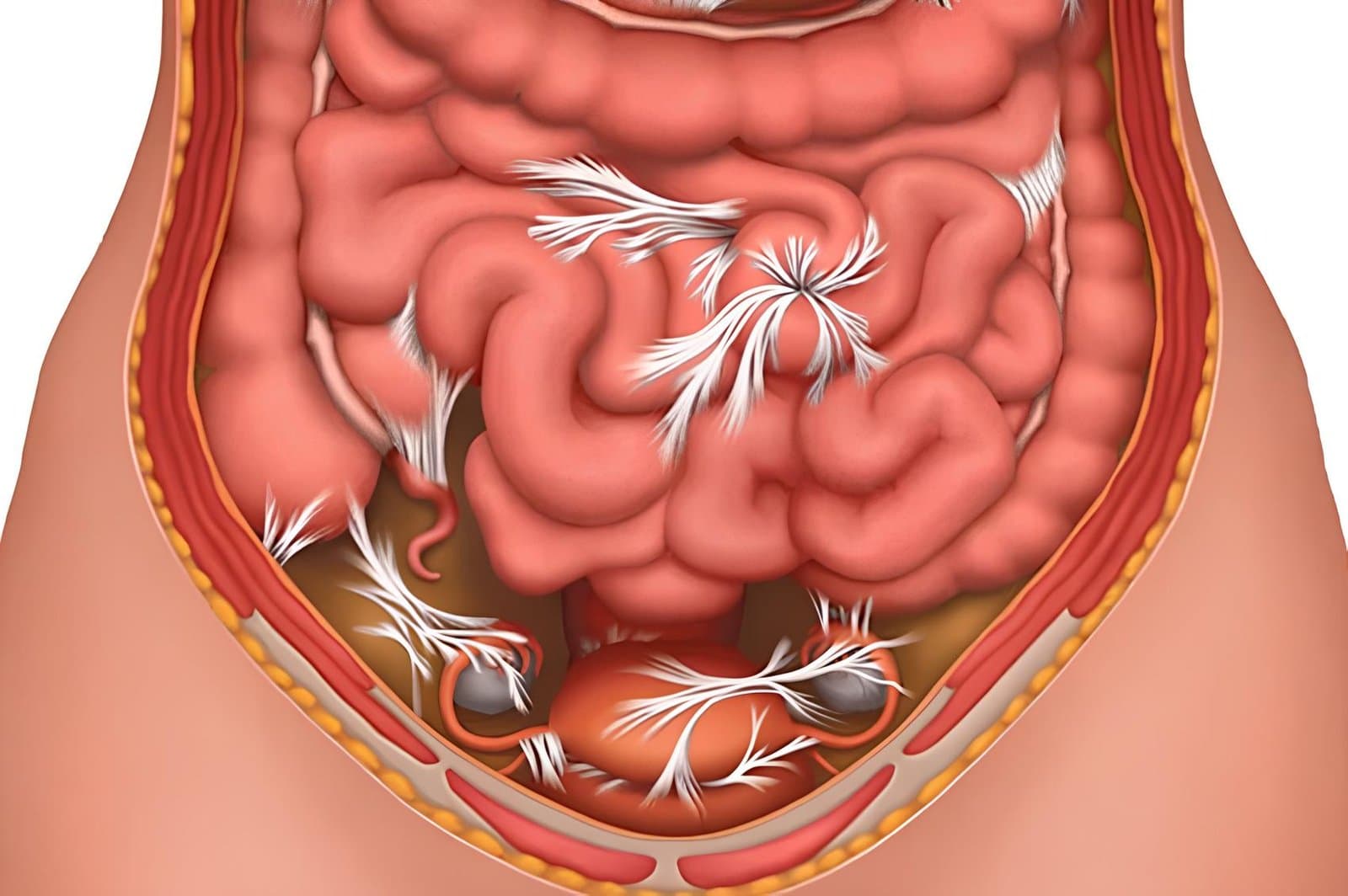
They form between abdominal organs and tissues that are normally separate. Adhesions commonly develop after abdominal surgery and may lead to complications such as chronic pain, digestive issues, or bowel obstruction.
FRCSEd (General Surgery)Five clinics in Singapore
In short
Scar bands
What they are
Bands of fibrous tissue that form between abdominal organs and tissues that are normally separate, binding them to each other or to the abdominal wall.
Surgery
The usual cause
Intestinal adhesions commonly develop after abdominal surgery, as part of the body's own healing response. Post-surgical adhesions are the most common type, and the risk increases with multiple procedures.
Hours
How soon they begin
Adhesion formation begins within hours of surgery. The first bands form in the first few days and continue to mature over several months.
Obstruction
The complication to know
Intestinal adhesions restricting bowel movement can cause severe cramping, vomiting, and the inability to pass gas or stool. That combination should be assessed urgently rather than waited out.
What every patient should know
Abdominal adhesions, what every patient should know
Five
Ways an adhesion forms
Previous abdominal surgery, inflammatory conditions, abdominal trauma, radiation therapy and endometriosis are the five routes to an adhesion set out on this page. Surgery is the most common of them, because adhesions form as part of the way the body heals itself.
Source: Dr Sulaiman Bin Yusof, clinical practice
Tissue is injured
By surgery, inflammation or trauma
Fibrous bands form
Within the first few days
The bands mature
Over the months that follow
Adhesions do not disappear on their own, which is why pain or a small bowel obstruction that keeps coming back is worth assessing properly.
Three
Types, told apart by cause
Congenital adhesions are present from birth. Post-surgical adhesions form after an operation and are the most common type. Inflammatory adhesions develop in response to inflammation or infection in the abdomen. Which type is present changes how dense the bands are and where in the abdomen they sit.
Source: Dr Sulaiman Bin Yusof, clinical practice
His story
Dr Sulaiman Bin Yusof
Senior Consultant Colorectal and General Surgeon, seeing patients at five clinics in Singapore.
- MBChB (Sheffield), M.Med (Surgery), FRCSEd (General Surgery)
- Consults in English and Malay
- MOH Fellowship, Peter MacCallum Cancer Centre, Melbourne
- Singapore Health Quality Service Star Award 2023
- Dean's Honour Roll for Teaching
Five clinics across Singapore
ORCHARD / NAPIER
Gleneagles Medical Centre
6 Napier Road #06-16, Singapore 258499
NOVENA
Mount Elizabeth Novena
38 Irrawaddy Road, #10-48/49, Singapore 329563
JOO CHIAT / EAST COAST
Parkway East Hospital
#05-08, 319 Joo Chiat Place, Singapore 427989
THOMSON
Mount Alvernia Hospital
#08-62, Medical Centre D, 820 Thomson Road, Singapore 574623
FARRER PARK
Farrer Park Medical Centre
#14-12, 1 Farrer Park Station Road, Singapore 217562
Symptoms
Adhesion symptoms range from mild discomfort to severe complications.
Patients with intra-abdominal adhesions may experience various symptoms, ranging from mild discomfort to severe complications.
Severe cramping with vomiting and an inability to pass gas or stool can mean the bowel is obstructed, and should be assessed urgently.
Chronic abdominal pain
Patients experience persistent or intermittent pain that may worsen with movement or specific body positions. The pain location varies depending on where the adhesions have formed.
Bowel obstruction
Intestinal adhesions restricting bowel movement can cause severe cramping, vomiting, and the inability to pass gas or stool.
Digestive issues
Adhesions can cause changes in bowel habits, including alternating constipation and diarrhoea. These symptoms occur due to partial bowel obstruction or altered intestinal motility.
Female infertility
Adhesions in the pelvic area can affect the fallopian tubes and ovaries, leading to difficulty conceiving.
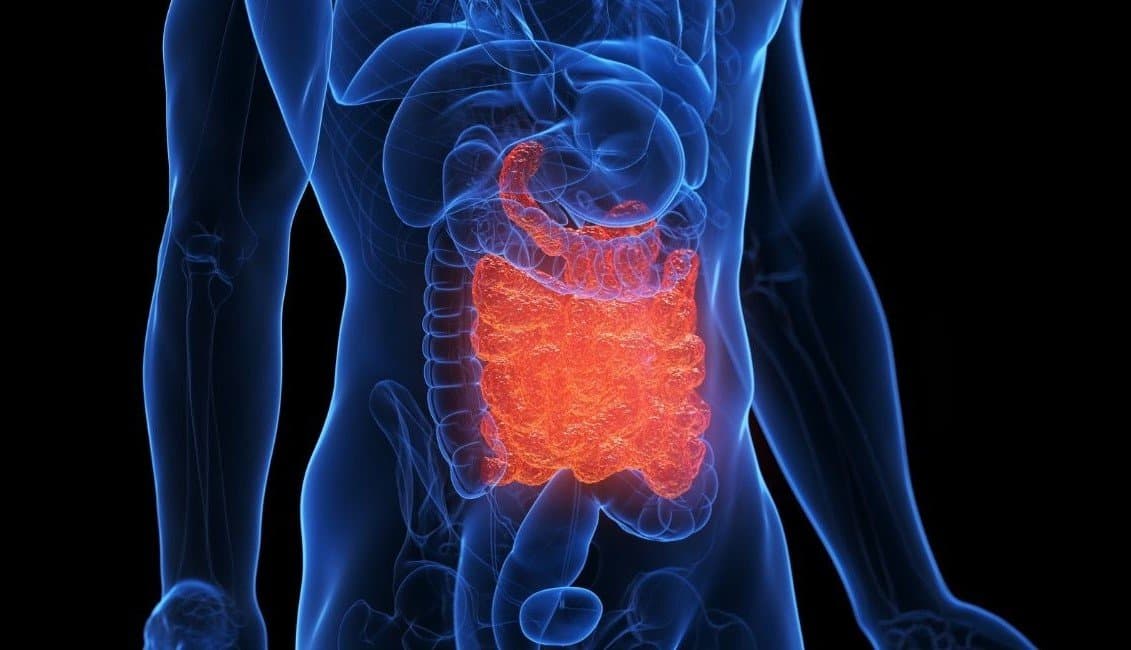
These symptoms overlap with a long list of other abdominal conditions, and having one of them does not mean adhesions are the cause. It means the question is worth answering properly, with an assessment rather than with a guess about old surgery.
Causes and risk
Adhesions form where tissue has had to heal itself.
Several factors contribute to the development of intra-abdominal adhesions, including the following.
Repeat surgery
Raises the risk further
Adhesions often form as part of the body’s natural healing response after surgery, and the risk increases with multiple procedures. That is one of the reasons a keyhole approach is preferred wherever the operation allows it, since smaller incisions mean less tissue trauma to heal from.
Source: Dr Sulaiman Bin Yusof, clinical practice
Previous abdominal surgery
Adhesions often form as part of the body's natural healing response after surgery. The risk increases with multiple procedures.
Inflammatory conditions
Conditions such as appendicitis, diverticulitis, or pelvic inflammatory disease can trigger inflammation, leading to fibrous tissue formation and adhesions.
Abdominal trauma
Injuries from accidents or surgical procedures can cause scarring during the healing process, resulting in adhesions.
Radiation therapy
Radiation treatment in the abdominal area may damage tissues, leading to scarring and adhesion formation.
Endometriosis
Displaced endometrial tissue can cause inflammation and scarring in the pelvic area, contributing to adhesion formation.
Radiation to the abdomen or the pelvis is part of treatment for some cancers, and most rectal cancers have chemoradiotherapy before surgery. What that involves, and where it sits in the whole treatment plan, is on the colorectal cancer page.
Types
Three types of adhesion, told apart by how they formed.
Adhesions are grouped by what caused them, and the group is a good guide to what the bands look like and where in the abdomen they are found.
Congenital adhesions
Present from birth, these adhesions develop during foetal development. These bands of tissue result from abnormal embryological development and can affect various abdominal organs, particularly the intestines.
Post-surgical adhesions
Form after surgical procedures and represent the most common type. They range from thin, filmy attachments to thick, fibrous bands that restrict organ movement. These adhesions develop within the first few days after surgery and continue to mature over several months.
Inflammatory adhesions
Develop as a response to inflammation or infection in the abdomen. They form dense, vascular connections between organs and often involve multiple attachment points. These adhesions may develop gradually as the inflammatory condition progresses.
Post-surgical adhesions are the most common type, and they range from thin, filmy attachments to thick, fibrous bands that restrict organ movement.
Diagnosis
Assessing adhesions moves from examination, to imaging, to a direct look.
The assessment usually runs in the same order, from what can be felt at the bedside, to what can be imaged, to what can be seen inside the abdomen itself.
Physical examination
Tenderness, masses, abnormal sounds
Imaging
CT, MRI or plain X-ray
Diagnostic laparoscopy
A direct view through tiny incisions
Physical examination
A thorough abdominal assessment helps detect tenderness, masses, or abnormal sounds, which may indicate bowel obstruction or complications related to adhesions.
Imaging studies
Various imaging techniques assist in evaluating adhesions and their effects. CT scans provide detailed cross-sectional images, MRI visualises organ positioning and potential restrictions, and X-rays help identify bowel obstructions caused by adhesions.
Diagnostic laparoscopy
A minimally invasive procedure that provides direct visualisation of adhesions. A small camera is inserted through tiny incisions, allowing a detailed assessment of their presence, location, and extent within the abdominal cavity. This approach offers a precise evaluation with minimal disruption to surrounding tissues.
Dr Sulaiman ran the endoscopy service at Changi General Hospital before moving into private practice, and his training and appointments are set out on his about page.
If your symptoms are affecting your quality of life, a consultation gives you a proper assessment and a personalised treatment plan.
Treatment
Treatment runs from managing symptoms to dividing the adhesions.
Not every adhesion needs an operation. The options below run from managing the pain and the digestive symptoms through to surgery that separates the bands themselves.
Two
Ways an adhesiolysis is done
Adhesiolysis removes adhesions through either open surgery or laparoscopy. Both involve carefully separating adhered tissues while minimising trauma to surrounding structures. The laparoscopic route uses small incisions to reduce tissue trauma and lower the risk of new adhesion formation.
Source: Dr Sulaiman Bin Yusof, clinical practice
Pain management
A combination of pain medications and physical therapy helps manage chronic pain associated with adhesions. Oral medications and topical treatments target different types of pain, providing relief and improving comfort.
Dietary modifications
Adjustments in diet and eating habits help minimise symptoms of bowel obstruction. Consuming small, frequent meals and maintaining adequate hydration can reduce strain on the intestines and promote smoother digestion.
Adhesiolysis
This is a surgical procedure that removes adhesions through either open surgery or laparoscopy. It involves carefully separating adhered tissues while minimising trauma to surrounding structures, helping to restore normal organ movement and function.
Minimally invasive surgery
Laparoscopic techniques use small incisions to reduce tissue trauma and lower the risk of new adhesion formation. This approach typically leads to shorter recovery times, reduced post-operative pain, and a quicker return to normal activities.
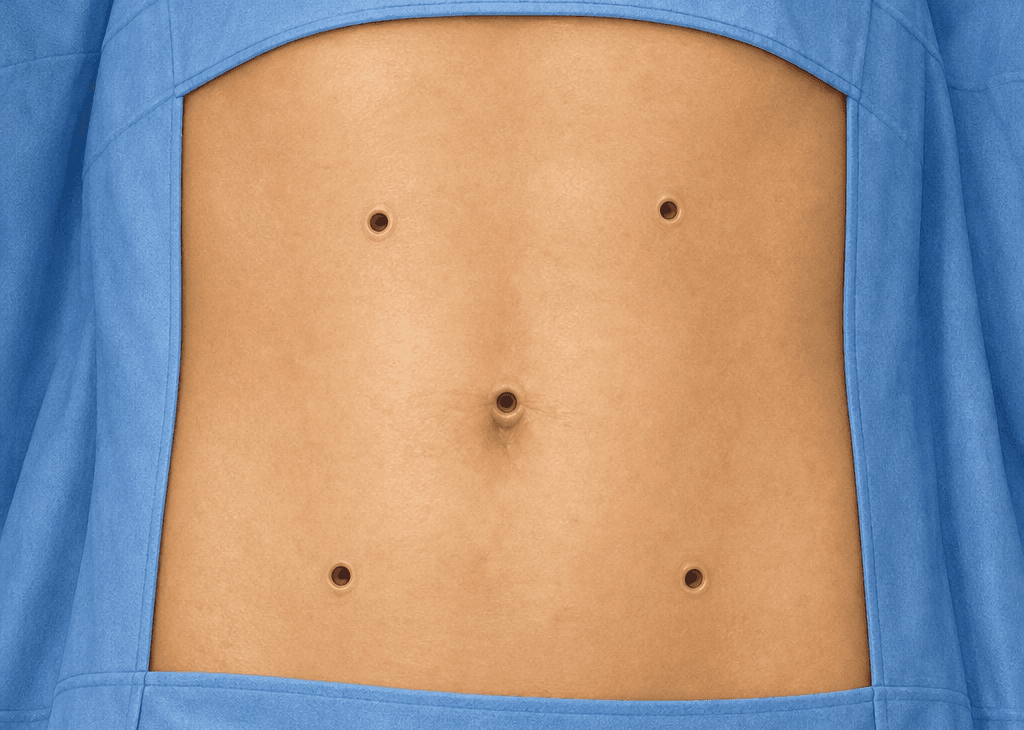
There is a circularity here worth naming: the operation that divides adhesions is itself abdominal surgery, and abdominal surgery is what causes adhesions. That is why the decision to operate is weighed against how much they are affecting you, rather than taken because they are there.
What a keyhole operation involves in practice, from the incisions to the recovery, is set out on the laparoscopic repair page.
Prevention
Most of what prevents an adhesion happens during the operation.
Prevention focuses on minimising tissue trauma during surgery through careful surgical techniques and minimally invasive procedures when possible.
A keyhole approach
Where the operation allows it
Barrier films or gels
Applied during the operation itself
The after-care plan
Wound care and a gradual return
Regular physical activity within comfortable limits helps maintain abdominal mobility. Following post-surgical instructions, including proper wound care and a gradual return to activities, supports optimal healing and may reduce adhesion formation.
Special films or gels applied during surgery help prevent new adhesions from forming. These products create a temporary barrier between tissues, reducing friction and promoting smoother healing. They are a decision made by the surgeon in theatre rather than something a patient arranges, which is worth knowing when you are asking what was done.
None of this removes the risk. Adhesions form as part of the way the body heals, so the realistic aim is to make them less likely and less dense, not to promise they will not form at all.
Common questions
Questions about abdominal adhesions.
Do adhesions ever go away on their own?
Adhesions do not naturally disappear without intervention. While some may stretch and become less restrictive over time, most remain permanent unless surgically treated. The body does not have a natural mechanism to break down established adhesions.
How soon after surgery do adhesions form?
Adhesion formation begins within hours of surgery as part of the body's healing process. The initial adhesions form within the first few days, and they continue to develop and mature over several months following the procedure.
Can certain movements make the pain worse?
Certain movements and physical activities can increase discomfort, depending on the location and extent of adhesions. Heavy lifting, sudden twisting motions, and prolonged sitting or standing may exacerbate symptoms by putting strain on affected areas.
What does adhesiolysis actually involve?
Adhesiolysis is the operation that removes adhesions, through either open surgery or laparoscopy. It involves carefully separating adhered tissues while minimising trauma to surrounding structures, which helps to restore normal organ movement and function. The laparoscopic route uses small incisions to reduce tissue trauma and lower the risk of new adhesion formation, and it typically leads to shorter recovery times, reduced post-operative pain, and a quicker return to normal activities. Which route is appropriate is a decision made at consultation, once the assessment and any imaging are done.
Can adhesions be prevented?
Not reliably, because adhesions form as part of the way the body heals itself. What can be done is to reduce the chance of them forming. Prevention focuses on minimising tissue trauma during surgery through careful surgical techniques and minimally invasive procedures when possible. Special films or gels can be applied during surgery to create a temporary barrier between tissues, reducing friction and promoting smoother healing. Afterwards, regular physical activity within comfortable limits helps maintain abdominal mobility, and following post-surgical instructions, including proper wound care and a gradual return to activities, supports optimal healing and may reduce adhesion formation.
Book a consultation
Adhesions do not go away on their own. Pain that keeps coming back is worth assessing.
If pain keeps returning after abdominal surgery, or your bowel symptoms are affecting your quality of life, book a consultation for an assessment and a personalised treatment plan. Appointments are available across five clinic locations in Singapore, and self-referrals are welcome.