Umbilical hernia
An umbilical hernia does not close on its own in an adult.
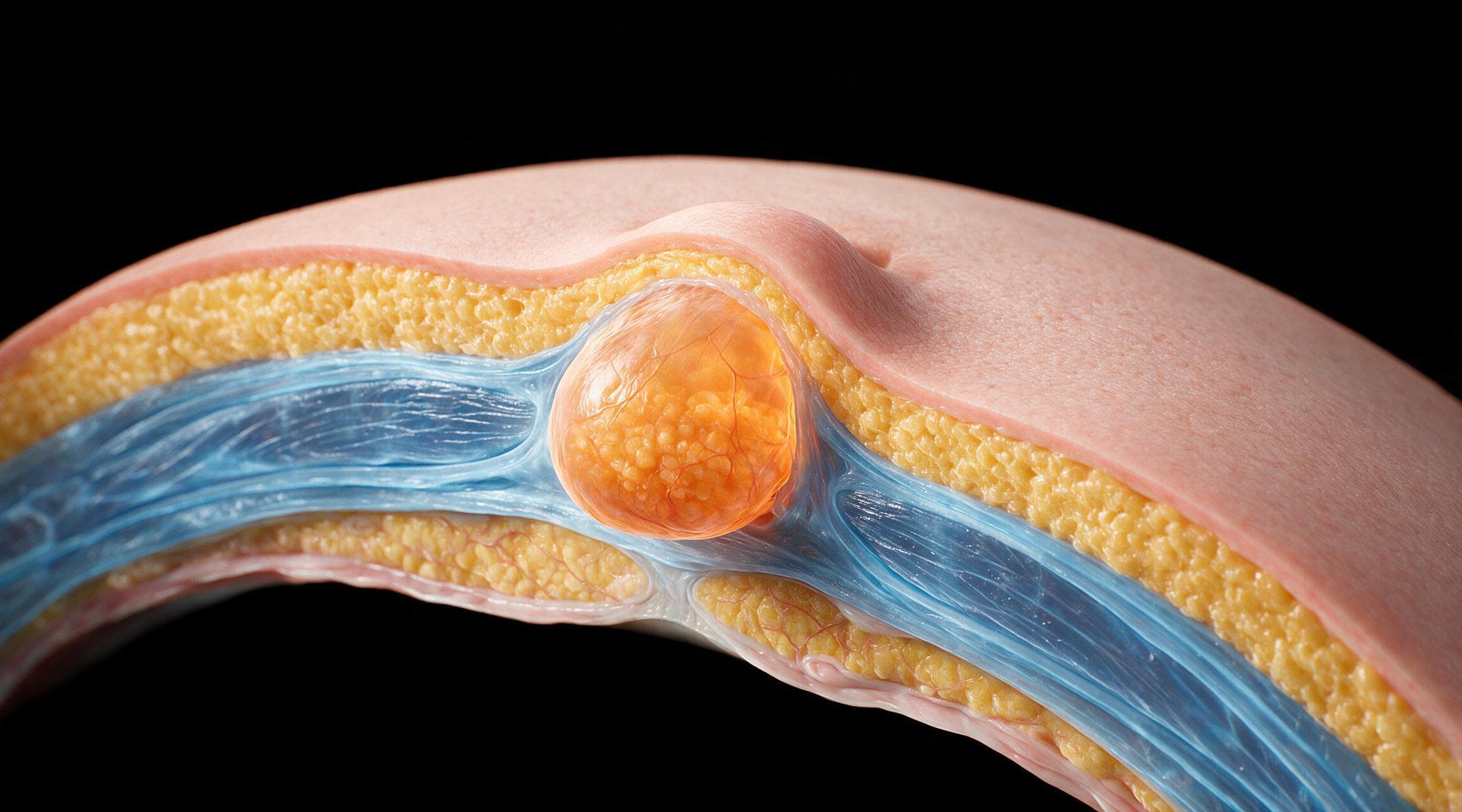
Part of the intestine or fatty tissue pushes through a weak spot near the umbilicus, the belly button. A small, symptom-free hernia may be watched rather than operated on.
FRCSEd (General Surgery)Five clinics in Singapore
In short
Navel
Where it shows
Intestine or fatty tissue pushes through a weak spot near the belly button, the umbilicus, giving a visible bulge.
Infants
Most affected
Most common in infants, but it also affects adults, particularly those with weakened abdominal muscles.
1-2 yrs
When it closes
In infants it often closes on its own by age one or two. In adults it does not.
Watch
If it is small
A small, symptom-free hernia may be monitored rather than operated on, as long as it does not worsen or cause discomfort.
His story
Dr Sulaiman Bin Yusof
Senior Consultant Colorectal and General Surgeon, seeing patients at five clinics in Singapore.
- MBChB (Sheffield), M.Med (Surgery), FRCSEd (General Surgery)
- Consults in English and Malay
- MOH Fellowship, Peter MacCallum Cancer Centre, Melbourne
- Singapore Health Quality Service Star Award 2023
- Dean's Honour Roll for Teaching
Five clinics across Singapore
ORCHARD / NAPIER
Gleneagles Medical Centre
6 Napier Road #06-16, Singapore 258499
NOVENA
Mount Elizabeth Novena
38 Irrawaddy Road, #10-48/49, Singapore 329563
JOO CHIAT / EAST COAST
Parkway East Hospital
#05-08, 319 Joo Chiat Place, Singapore 427989
THOMSON
Mount Alvernia Hospital
#08-62, Medical Centre D, 820 Thomson Road, Singapore 574623
FARRER PARK
Farrer Park Medical Centre
#14-12, 1 Farrer Park Station Road, Singapore 217562
When it cannot wait
A hernia that will not push back in is an emergency.
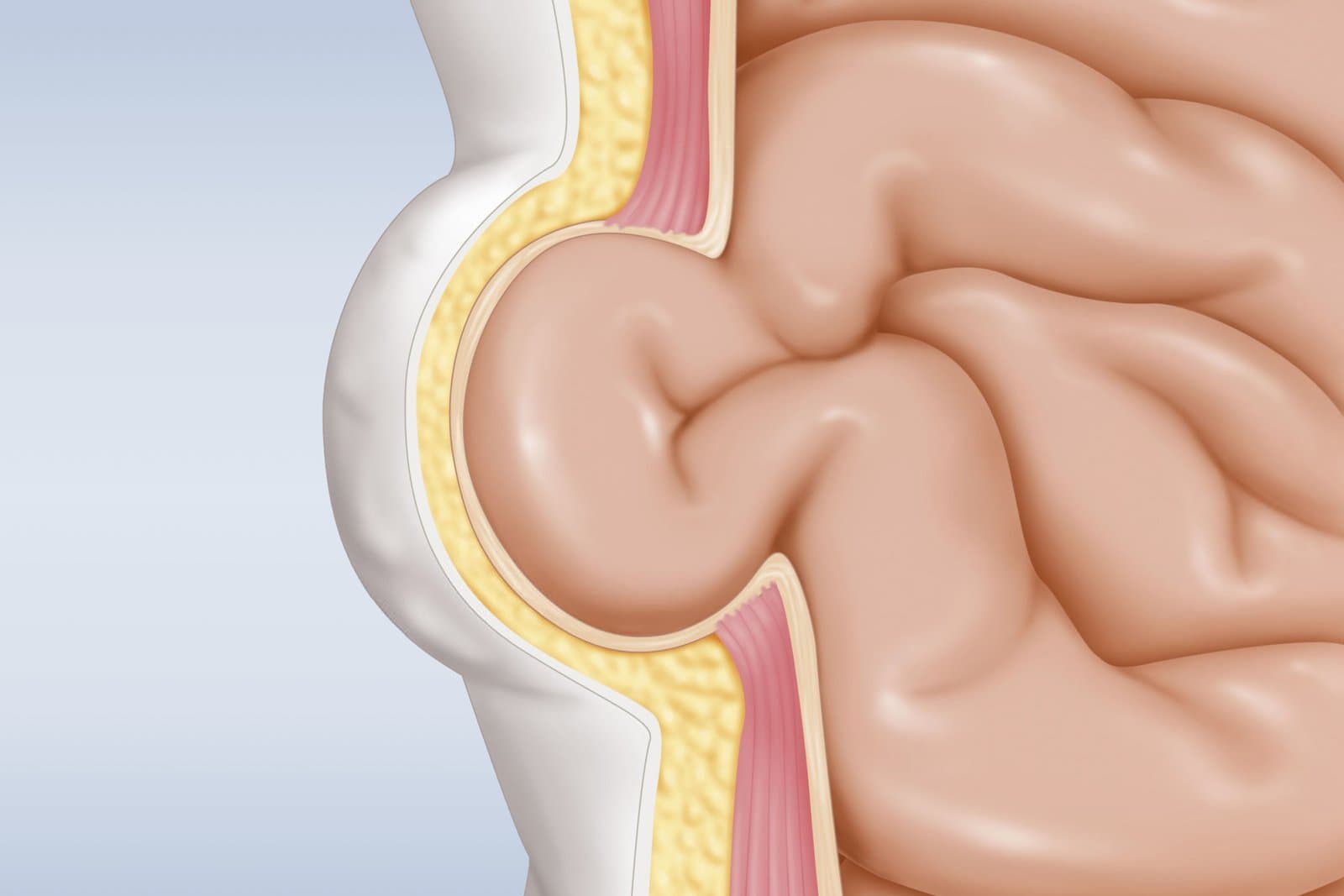
If an umbilical hernia is not treated, complications may develop, such as incarceration, where the herniated tissue becomes trapped and cannot be pushed back into the abdomen. This can restrict blood flow, leading to strangulation, a severe condition where the blood supply to the tissue is cut off. Strangulation can cause tissue death and requires emergency surgery.
Nausea, vomiting and discomfort in the digestive system alongside the bulge can mean a section of intestine is trapped and obstructing normal bowel movements. A firm, tender lump that cannot be pushed back in needs to be seen the same day.
What it feels like
A bulge that comes up when you cough, strain, or lift.
Visible bulge
Part of the intestine or fatty tissue pushes through the weakened area. The bulge becomes more noticeable during anything that raises abdominal pressure: coughing, crying, straining.
Pain or discomfort
In adults the hernia may be uncomfortable because the tissue pressing through the muscle creates tension. Bending, lifting or physical exertion increases that pressure and brings on pain.
Swelling or tenderness
The area around the hernia may become swollen or tender through inflammation, as the body responds to the continuous pressure and irritation.
Digestive symptoms
When a hernia traps a portion of the intestine it can cause nausea, vomiting and discomfort, because the trapped section obstructs normal bowel movements and creates a blockage.
Why it happened
Four things that weaken the wall at the navel.
Pressure and straining
Heavy lifting, a chronic cough or frequent straining during bowel movements put excess pressure on the abdomen, pushing tissue through weak spots in the muscle.
An opening left from birth
In newborns the abdominal muscles may not fully close after the umbilical cord is cut, leaving a small opening. If it does not close properly as the baby grows, an umbilical hernia can develop.
Body weight
Excess weight puts additional strain on the abdominal wall, raising the risk of tissue pushing through a weak area.
Pregnancy
The abdominal muscles stretch and thin to accommodate the growing baby. That stretching can weaken them, making a hernia more likely, particularly with significant weight gain or multiple pregnancies.
How it is confirmed
Looking, pressing, and sometimes a scan.
Visual examination
The doctor examines the bulge near the belly button and may ask you to cough or strain. That raises abdominal pressure, making the hernia more visible and helping assess its size and impact.
Checking whether it reduces
Gentle pressure is applied to see whether the hernia can be pushed back into the abdomen, which is called being reducible. This determines how urgent treatment is and whether the hernia is at risk of becoming trapped.
Ultrasound or CT
If the hernia is not clearly visible, or there are concerns about complications, imaging gives a detailed view of its size, location, and whether any intestine or tissue is trapped, which guides treatment planning.
What can be done
Watching a small one, repairing a growing one.
Treatment depends on the size, the symptoms and your overall health. Non-surgical approaches may suit mild cases, while surgery is advised where there is a risk of complications.
Monitoring
In infants, umbilical hernias often close on their own by age one or two, so regular monitoring is recommended. Adults with small, symptom-free hernias may also be observed over time without immediate surgery, as long as the hernia does not worsen or cause discomfort.
Repair
Hernia repair surgery involves carefully pushing the herniated tissue back into position and reinforcing the abdominal wall with sutures or a mesh implant. The procedure is generally low-risk and often performed on an outpatient basis, so patients return home the same day. Surgery is recommended to prevent complications, particularly for adults with pain, a growing hernia, or a higher risk of tissue strangulation.
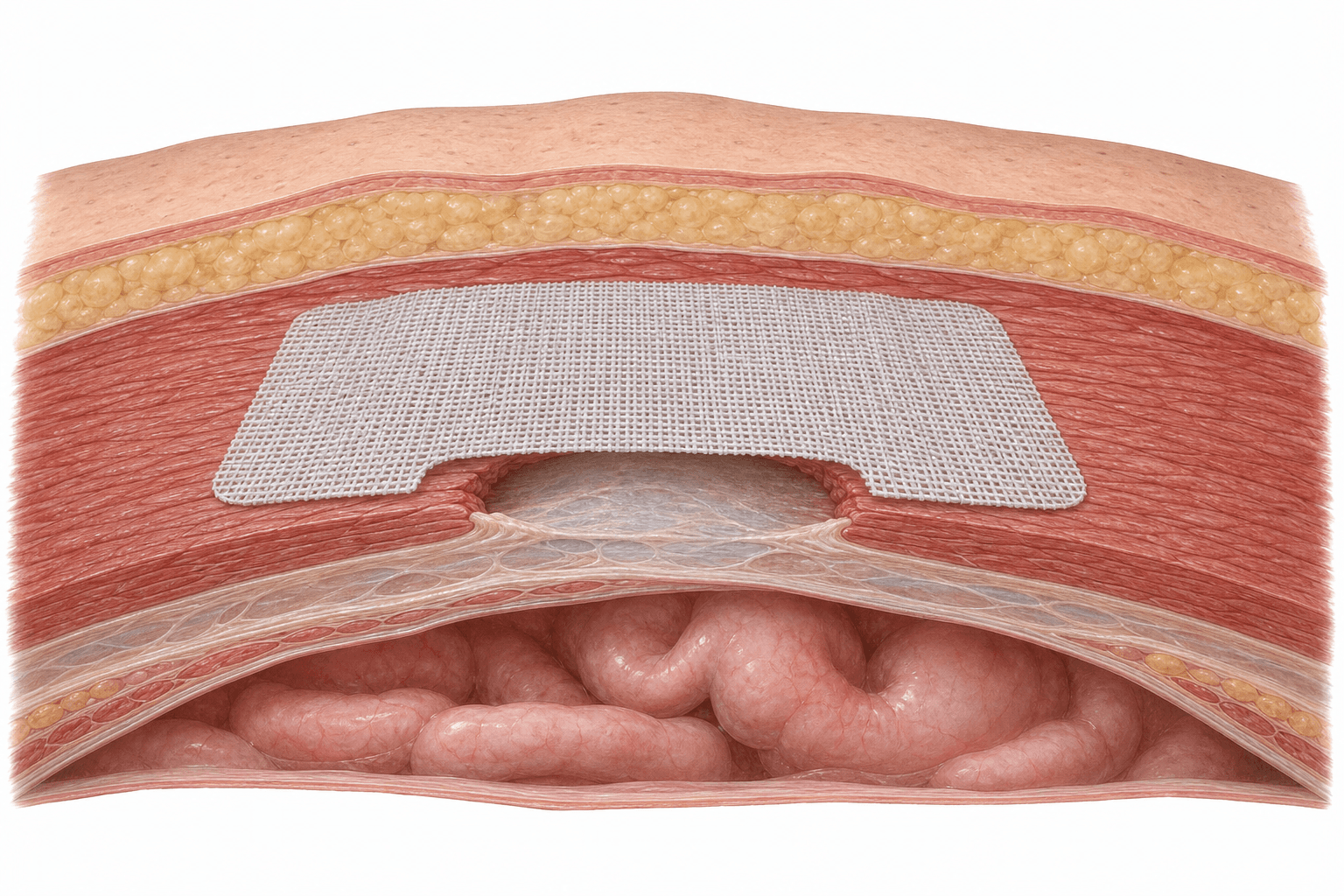
How a keyhole repair is actually performed is set out on the keyhole hernia repair page.
Lowering the risk
Less strain, stronger core, steady weight.
Prevention focuses on minimising abdominal strain and maintaining muscle strength. Avoiding heavy lifting and activities that require intense straining can lower the risk, particularly if you have had a hernia before.
Maintaining a healthy weight matters, as excess body weight adds pressure to the abdominal wall. Strengthening core muscles helps support the abdomen, but the exercises should be guided so they do not cause strain or injury.
Common questions
Three questions people ask first.
Will it close on its own?
In infants, umbilical hernias often close on their own by the age of one or two as the abdominal muscles strengthen naturally. In adults they do not resolve on their own and typically require surgical repair if they cause symptoms or increase in size, because the muscle weakness is unlikely to improve without intervention.
Can it come back after surgery?
Yes. Although repair is generally effective, recurrence is possible. Obesity, heavy physical activity, pregnancy, and chronic conditions that raise abdominal pressure such as a persistent cough or constipation all increase the risk. Following post-surgical care instructions helps reduce it.
How long is recovery?
Recovery typically involves rest and limited physical activity for a few weeks. There may be mild discomfort or swelling near the incision site, which usually resolves with time. Avoid heavy lifting and follow the instructions on when to resume normal activity. Full recovery usually takes 4 to 6 weeks.
Book a consultation
In an adult it will not close on its own. Have it examined.
If you have a bulge at the belly button that is growing, aching, or coming up whenever you cough or lift, it is worth having it examined rather than waiting to see whether it settles. Self-referrals are welcome and appointments are typically available within one working day. If the lump is firm, tender and will not push back in, go to A&E instead of waiting for an appointment.