Colonoscopy bowel prep involves several changes before you reach the hospital. White rice may be allowed at one stage, only clear drinks at another, and nothing to drink after your fasting cutoff. The difference is when each instruction applies.
Here is how the food, laxative and fasting stages fit together, with practical advice for the time at home and what to do if preparation becomes difficult. Your endoscopy team’s written schedule supplies the timings for your appointment.
Why bowel preparation matters for your colonoscopy
Bowel preparation helps the doctor see the bowel lining clearly. During a colonoscopy, a small camera examines the large bowel. Stool left behind can hide parts of the lining, including colon polyps. The work you do at home supports the examination itself.
If the bowel has not cleared enough, the team may need to change the plan or repeat the examination. If you are struggling, ask for help. Preparation can be difficult even when you are trying to follow every instruction.
For the examination itself, see what happens during a colonoscopy. This article focuses on the preparation beforehand.
From the consultation room
Hear Dr Sulaiman explain why preparation matters
Dr Sulaiman explains why bowel preparation matters. An excerpt from his colonoscopy recording.
What to check before you start colonoscopy bowel prep
Read the instructions when you receive them, while there is time to ask questions and organise what you need. A medicine question is easier to resolve before preparation day than when the first dose is already due.
Before preparation day, put these together:
- Your prescribed preparation, with the mixing instructions.
- The times for changing your diet, taking each dose and stopping drinks.
- Your medicine plan, including what to take on the morning of the test.
- The endoscopy team’s contact number and any out-of-hours instructions.
- Your arrival details and arrangements for someone to take you home.
Get your food, medicines and transport organised beforehand. Save the contact number in your phone and set an alarm for each dose. That leaves fewer things to keep track of while you are taking the preparation.
How food, clear liquids and fasting fit together
A preparation schedule brings together the diet changes and last-meal time, laxative doses and final drinking cutoff. Use the schedule written for your appointment as one complete plan. Mixing one hospital’s food advice with another’s dose times can leave the parts out of step.
| Stage | What it means | What to check |
|---|---|---|
| Low-fibre diet | Selected solid foods are still allowed. You reduce foods such as wholegrains, nuts and seeds. | When to start, and when your last solid meal should be. |
| Clear liquids | Only the liquids allowed on your sheet. No solid food, milk or drinks containing pulp. | Which drinks are allowed alongside each prep dose. |
| Fasting | You stop eating and drinking according to the instructions for your procedure. | The final drinking cutoff and any specific medicine instructions. |
What can you eat and drink before colonoscopy?
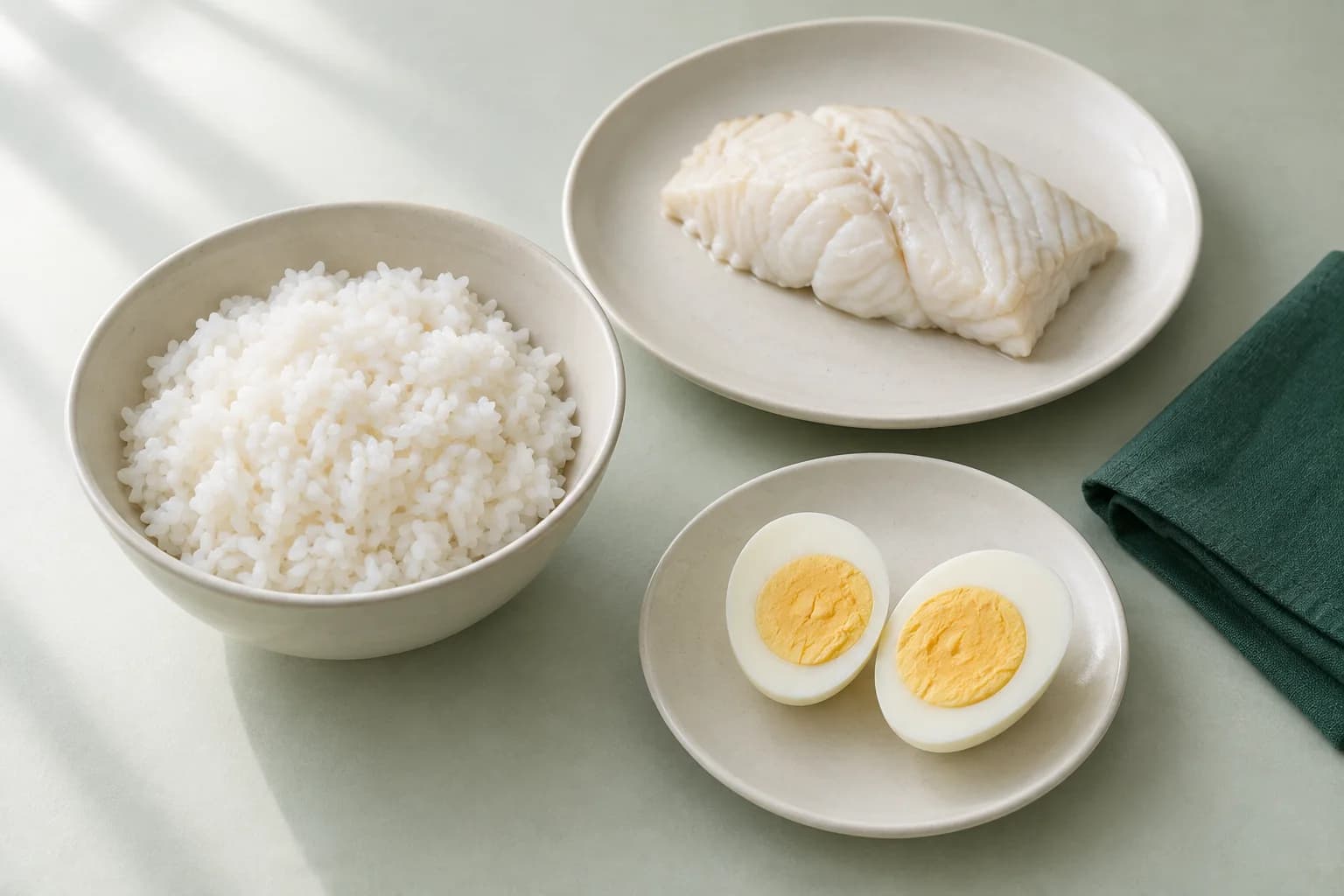
Think about the stage first, then the food. Low-fibre foods such as white rice, eggs and fish may be allowed before your last solid meal.
| Food or drink | During the low-fibre stage | During the clear-liquid stage |
|---|---|---|
| White rice, plain white-rice porridge or white bread | Commonly allowed without high-fibre additions. | No. These are solid foods, even when soft or watery. |
| Plain eggs, fish or chicken | Commonly allowed. | No. |
| Brown rice, wholemeal bread, nuts and seeds | Usually avoided. | No. |
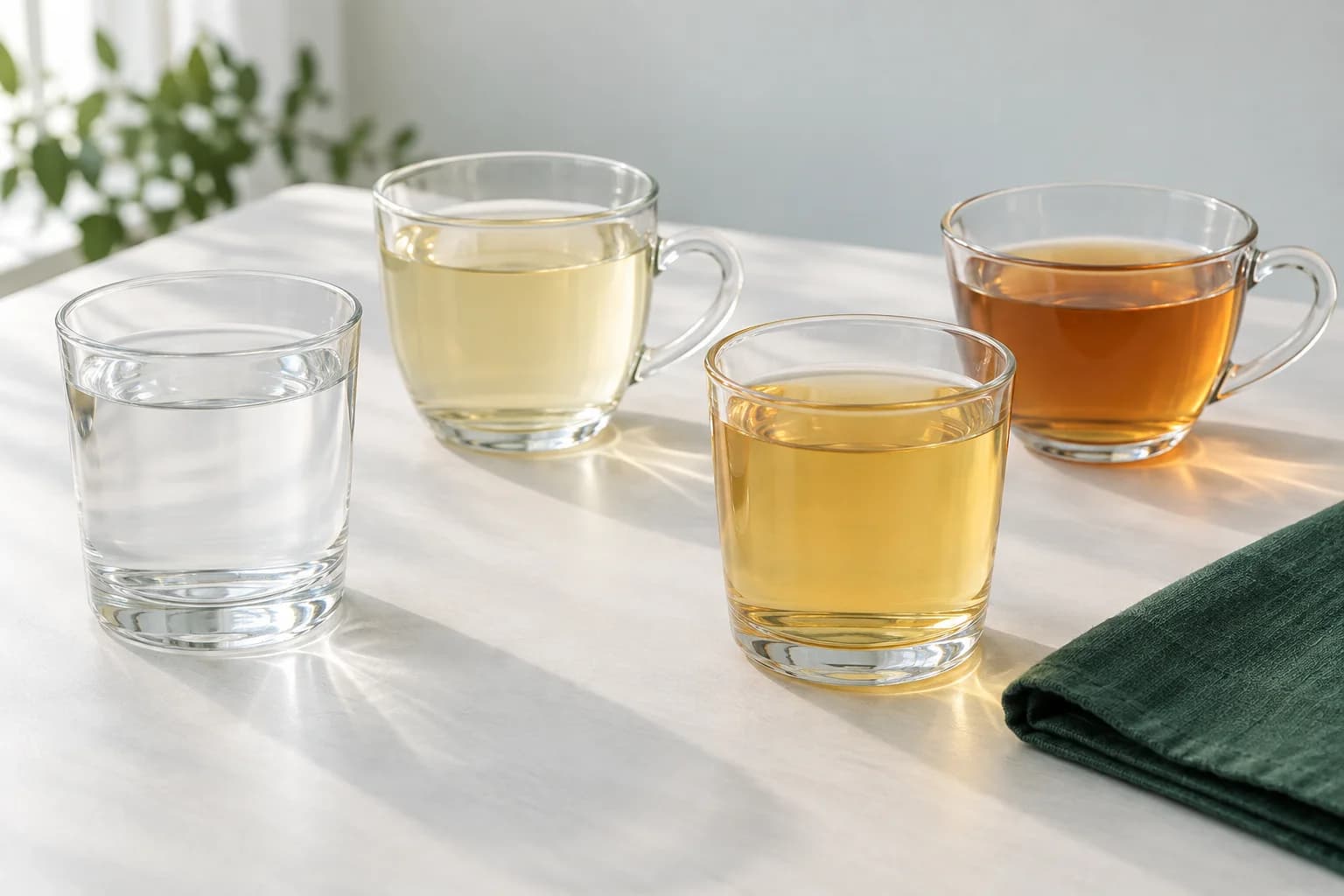
| Water, strained clear broth or clear apple juice without pulp | Check your food list. | Common examples of clear liquids, until your drinking cutoff. |
| Tea or coffee without milk or cream | Check your food list. | Often allowed if your sheet permits them. |
| Milk, soya milk, smoothies or soup with pieces | Check the specific item on your food list. | No. They are not clear liquids. |
Clear liquids contain no pulp, solids or cream. This is why water, clear broth and plain tea may be allowed, while porridge, smoothies and milky drinks are not.
Avoid red or purple drinks if your sheet tells you to, and do not assume a cloudy fruit juice is acceptable just because it has no visible pieces. For more food options during the earlier stage, see the clinic’s low-residue diet article.
Why colonoscopy bowel prep is often taken in two doses
Split-dose preparation divides the laxative into two parts, often one the evening before and one on the day of the examination. This keeps part of the preparation closer to the test. The 2025 US multisociety recommendations support split dosing, with other schedules suitable in selected situations.
An early dose can be awkward to fit around sleep and travel. Its timing still matters. If the schedule looks unworkable, or seems to clash with your fasting cutoff, ask the team to clarify it before you begin. Do not move the morning dose to the night before yourself.
Measure and mix the preparation as directed, and follow the accompanying fluid instructions. If you have a fluid restriction, use the individual plan agreed with your team.
Which medicines and health conditions need a separate plan?
Tell the endoscopy team about every medicine and supplement you take, including iron, blood thinners and medicines for diabetes. Include medicines you buy yourself. Bring the names or a current list, rather than relying on a description such as “the small white tablet”.
Ask which medicines to continue and which need a change, including when to restart any that are paused. Do not stop prescribed medicines on your own.
If you have diabetes, ask for a plan covering food intake, medicines and glucose checks. If you take a GLP-1 medicine for diabetes or weight management, tell the team early. These medicines need an individual assessment before endoscopy, rather than a blanket rule that everyone must stop them.
Also flag kidney disease, heart problems, a fluid restriction, persistent constipation or a previous preparation that did not clear the bowel. These details can affect which preparation or fluid advice is suitable. “Drink plenty” is not an adequate personal plan if you have been told to limit fluids.
What to expect and how to make preparation more comfortable
Once the laxative starts working, expect repeated trips to the toilet and increasingly watery bowel movements. Keep this part of the day free of travel and errands. The timing varies between people and preparations, so another person’s experience cannot tell you exactly when yours will start or finish.
Make the time at home easier
- Settle in near a bathroom. Have your phone, instructions and contact number within reach.
- Make the drink easier to take. For some preparations, chilling the mixed solution or drinking through a straw may help. Use the mixing and storage directions for your prescribed product.
- Plan for soreness. A barrier cream around the anus may help reduce soreness from repeated bowel movements.
- Ask for help if you are struggling. The next section explains what to report and which symptoms need urgent attention.
What to do if your bowel prep is not going to plan
If nothing seems to be happening: check your sheet for advice about the expected response. If you are beyond that window, or there is no guidance and you are unsure, contact the team. Do not add an extra laxative or double the next dose yourself.
If you cannot finish, or the output remains brown or contains solid pieces near the end: contact the team before travelling in. Tell them which preparation you took, how much you managed, the dose times and what is happening. They can decide whether you need more instructions or a changed appointment.
If you vomit, cannot keep fluids down, feel faint or pass much less urine: stop taking further preparation and get prompt advice from the endoscopy team or an urgent medical service. Do not force down more solution while waiting.
What to check on the morning of your colonoscopy
Check the dose schedule, your final drinking cutoff and your arrival time. These are separate times. A drink being “clear” does not mean you can keep drinking it until you leave home.
Take only the medicines you have been told to take, following any instructions about water. If you ate or drank after your cutoff, tell the team what you had and when. Let them decide what that means for your procedure.
Arrange for someone to accompany you home after sedation, and do not plan to drive afterwards. Bring your preparation sheet and medicine list so the team can check anything that needs clarifying.
For more on the procedure and recovery, the colonoscopy page explains the next part of the visit.
Questions about food, timing and incomplete bowel prep
Can I have porridge the day before a colonoscopy?
Only if your prescribed diet still allows solid food at that time. Plain white-rice porridge can fit the low-fibre stage. Once your clear-liquid stage begins, porridge is no longer suitable, however watery it looks.
Can I have kopi or teh during the clear-liquid stage?
If your sheet permits coffee or tea, it must be without milk or cream. Tell the person preparing it that you cannot have condensed or evaporated milk. Follow the clinic’s list and stop at your instructed drinking cutoff.
Do I still need the second dose if my stool looks clear?
Yes, complete the prescribed plan unless the team changes it. Clear-looking output is not a reason to skip a dose. If side effects are stopping you, ask for advice before taking more.
I ate something that was not on the list. Is my test cancelled?
Do not assume either outcome. Tell the endoscopy team what you ate, how much and when. They can assess whether you should continue as planned. Do not take extra preparation to try to compensate.
What if my instructions differ from this article?
Follow the instructions written for your appointment. If they are unclear or seem to contradict each other, ask the team to resolve that before starting. This article explains the process; it cannot set your individual prescription or fasting times.
Before preparation day
Unclear about your preparation?
Have four things settled: when to change your food, when to take each dose, when to stop drinking, and what to do with your medicines.
If any part is unclear, have your appointment date, preparation name and medicine list ready when you contact the clinic.
For urgent symptoms, follow the urgent-help advice above.
This is general patient information. Your preparation and medicine plan should be confirmed by the team carrying out your colonoscopy.