Pelvic floor
Faecal incontinence is a loss of bowel control, and it is treatable.
It can range from mild leakage, especially during physical activities, to a complete inability to control bowel movements.
FRCSEd (General Surgery)Five clinics in Singapore
In short
Mild to total
The range it covers
It can range from mild leakage, especially during physical activities, to a complete inability to control bowel movements.
Three
What bowel control needs
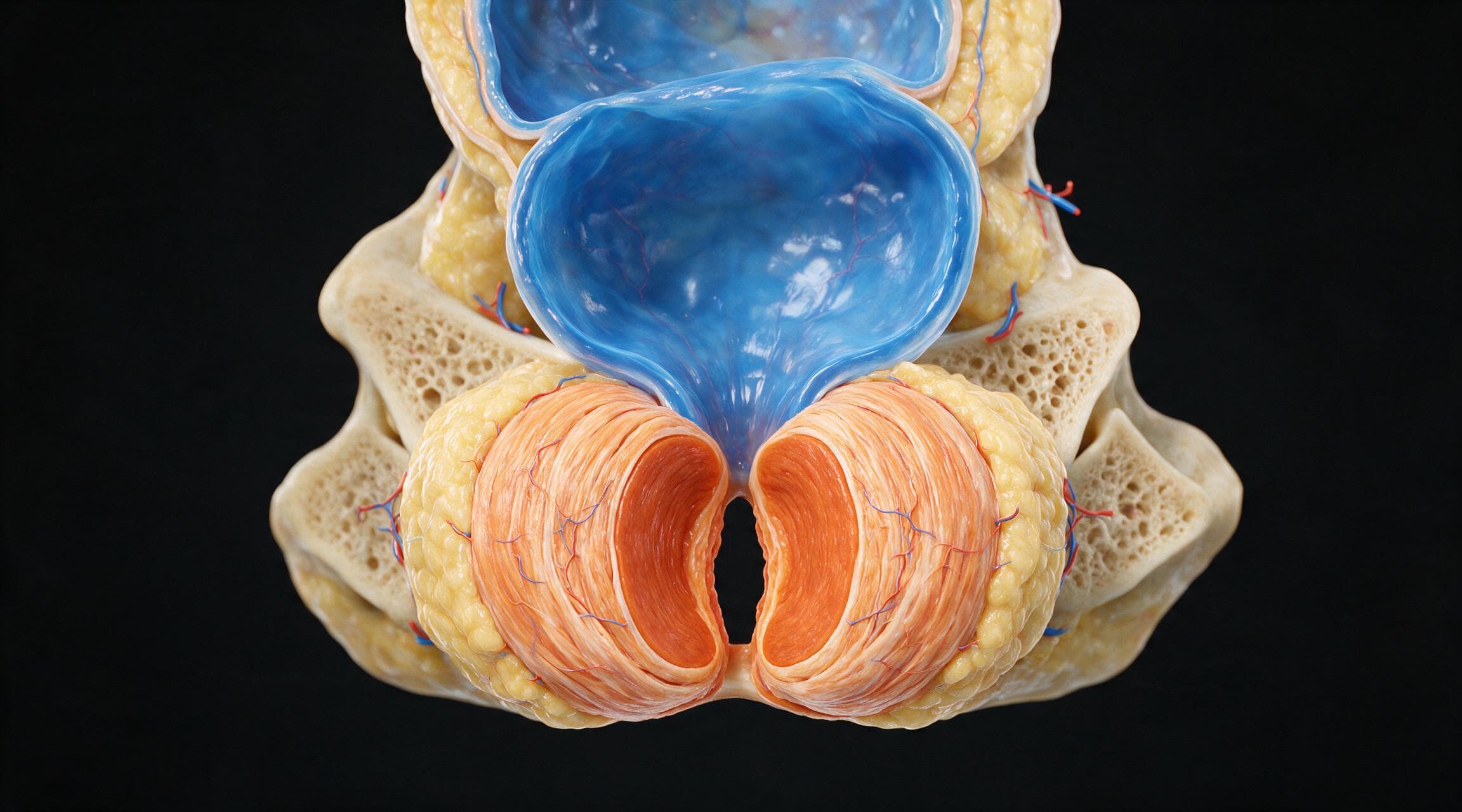
It often results from issues affecting the muscles, nerves, or structural support within the rectum and anus, which are necessary for bowel control.
Over 65
Where risk rises
Declines in muscle tone and nerve sensitivity make bowel control more difficult with age, and individuals over 65 are at higher risk.
Seven
Treatments, non-surgical first
Options include non-surgical and surgical methods tailored to the patient's needs and the underlying cause of their condition.
What every patient should know
Faecal incontinence, what every patient should know
4.7%
Of Singapore adults, and three times more women than men
A community survey of Singapore adults found faecal incontinence in 4.7 per cent of those asked, more commonly with increasing age, and three times more often in women than in men. It is far more common than the silence around it suggests, and it is the reason this page exists.
Source: Lim, Heng, Wong and Tang, Singapore Medical Journal, 2014
Three
What bowel control depends on
Faecal incontinence often results from issues affecting the muscles, nerves, or structural support within the rectum and anus, which are necessary for bowel control. Establishing which of the three is involved is what an assessment is for, because it is what decides the treatment.
Source: Dr Sulaiman Bin Yusof, clinical practice
It can range from mild leakage during physical activity to a complete inability to control bowel movements.
Over 65
Where the risk rises
As people age, declines in muscle tone and nerve sensitivity may make bowel control more difficult. Individuals over 65 are at higher risk due to the weakening of pelvic and anal muscles, and reduced tissue elasticity, which further affects continence.
Source: Dr Sulaiman Bin Yusof, clinical practice
Seven
Treatment options, mild to severe
Treatment aims to restore bowel control and provide lasting symptom relief. Options include non-surgical and surgical methods tailored to the patient’s needs and the underlying cause of their condition, and the non-surgical ones come first.
Source: Dr Sulaiman Bin Yusof, clinical practice
Diet and pelvic floor exercises
Often effective in mild cases
Medication and bulking agents
For mild to moderate symptoms
Surgery
Where the muscle or the nerve supply needs repair
His story
Dr Sulaiman Bin Yusof
Senior Consultant Colorectal and General Surgeon, seeing patients at five clinics in Singapore.
- MBChB (Sheffield), M.Med (Surgery), FRCSEd (General Surgery)
- Consults in English and Malay
- MOH Fellowship, Peter MacCallum Cancer Centre, Melbourne
- Singapore Health Quality Service Star Award 2023
- Dean's Honour Roll for Teaching
Five clinics across Singapore
ORCHARD / NAPIER
Gleneagles Medical Centre
6 Napier Road #06-16, Singapore 258499
NOVENA
Mount Elizabeth Novena
38 Irrawaddy Road, #10-48/49, Singapore 329563
JOO CHIAT / EAST COAST
Parkway East Hospital
#05-08, 319 Joo Chiat Place, Singapore 427989
THOMSON
Mount Alvernia Hospital
#08-62, Medical Centre D, 820 Thomson Road, Singapore 574623
FARRER PARK
Farrer Park Medical Centre
#14-12, 1 Farrer Park Station Road, Singapore 217562
Symptoms
The symptoms vary in intensity, and all of them are worth saying out loud.
The symptoms of faecal incontinence can vary in intensity and may include the following.
If your symptoms are affecting your quality of life, they are worth assessing rather than working around.
Unintentional stool leakage
Stool may leak during activities such as lifting, walking, or bending, often without warning.
Sudden urgency and increased frequency
A sudden, intense need to pass stool may occur, giving the individual limited time to reach a restroom. This urgency often involves frequent bathroom visits, disrupting daily routines.
Total loss of bowel control
In severe cases, individuals may lose all ability to control bowel movements, resulting in the involuntary release of stool.
Discomfort or bloating
Discomfort, bloating, or abdominal cramping can occur alongside faecal incontinence, especially in individuals with digestive issues. These sensations may worsen with diarrhoea or constipation, further complicating bowel control.
Causes and risk factors
Faecal incontinence usually develops from a combination of factors, not from one.
Faecal incontinence may develop due to a combination of factors and underlying conditions. These may include the following.
Injury to the sphincter muscles or nerves
Injury to the anal sphincter muscles or nerves, often from childbirth, surgery, or certain medical conditions like diabetes, can impair bowel control. Muscle damage may weaken the ability to retain stool, while nerve damage can disrupt the signals needed for bowel control, contributing to episodes of incontinence.
Inflammatory bowel disease and irritable bowel syndrome
Conditions such as inflammatory bowel disease (IBD) or irritable bowel syndrome (IBS) can weaken the rectal muscles and reduce bowel control. These conditions often involve inflammation, diarrhoea, or constipation, which put strain on the bowel and increase the risk of incontinence.
Age-related changes
As people age, declines in muscle tone and nerve sensitivity may make bowel control more difficult. Individuals over 65 are at higher risk due to the weakening of pelvic and anal muscles, and reduced tissue elasticity, which further affects continence.
Rectal prolapse and pelvic floor disorders
Rectal prolapse, where the rectum protrudes through the anus, can disrupt normal bowel function and lead to incontinence. Pelvic floor disorders weaken the muscles that support the bladder and rectum, further limiting bowel control. Both conditions strain the structures required for bowel control.
Previous surgery or pelvic trauma
Prior surgeries, injuries, or trauma in the pelvic area may weaken muscles or damage nerves involved in bowel control. Surgical procedures, such as those for colorectal cancer, may result in residual weakness in the anal sphincter, making it difficult to maintain bowel control over time.
Where the cause is surgery for colorectal cancer, what those operations involve, and how the position of a tumour relative to the sphincter shapes which one is used, is set out on the colorectal cancer page.
More than one of these is often present at the same time, which is why the assessment looks at the muscle, the nerve supply and the structural support rather than settling on the first plausible explanation.
How it is assessed
The assessment is what tells you which treatment is likely to help.
A comprehensive diagnostic approach is used to assess the factors that contribute to faecal incontinence. Key steps include the following.
History and examination
Including a digital rectal exam
Pressure and coordination
How the sphincter muscles are working
Imaging
Ultrasound of the sphincter, or MRI defecography
Stool and blood tests
Ruling out infection and inflammation
Medical history and physical examination
A complete medical history and physical examination, including a digital rectal exam, can help determine muscle tone and structural abnormalities. This assessment also identifies previous injuries or medical conditions that may be contributing to incontinence. Evaluating the patient's history helps tailor the diagnostic and treatment plan.
Anorectal manometry
This test measures the pressure and coordination of the anal sphincter muscles, helping detect weakness or dysfunction. It reveals potential nerve or muscle impairment by assessing muscle strength and response. The information obtained guides the treatment approach by identifying areas where muscle strength or control can be improved.
Endoanal ultrasound
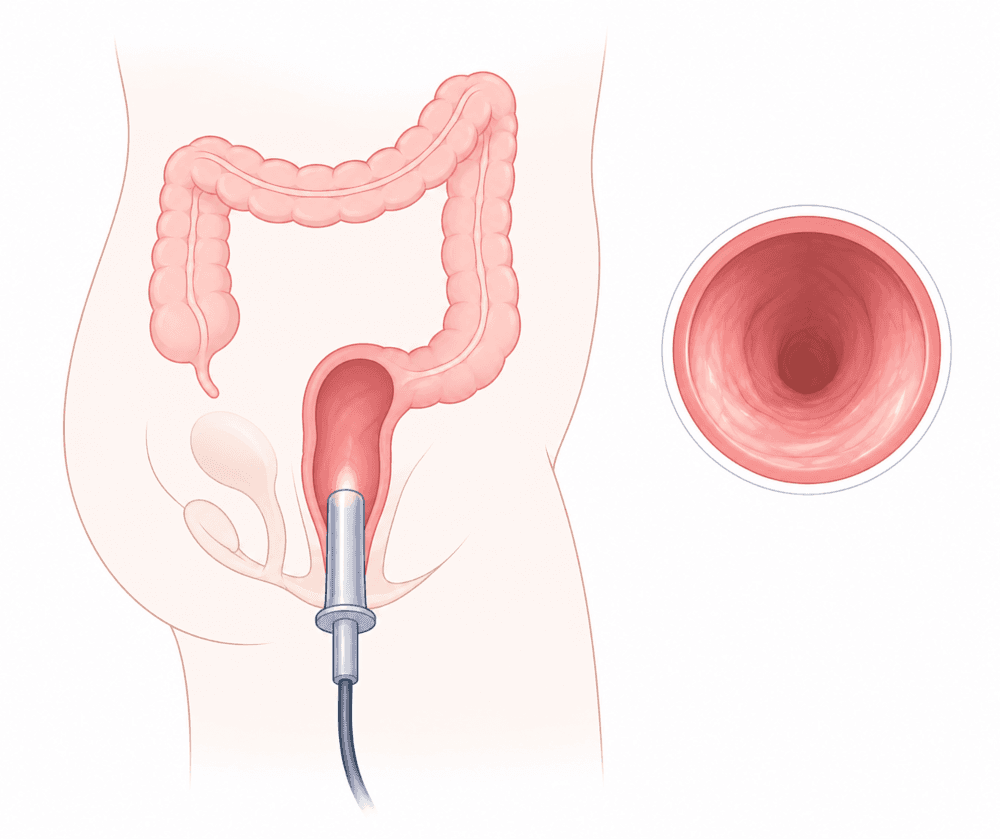
Endoanal ultrasound produces high-resolution images of the anal sphincter muscles, allowing for a detailed view of any structural issues. This imaging technique can detect tears, scarring, or other abnormalities that may impair bowel function. It is particularly helpful for diagnosing physical damage that may be contributing to faecal incontinence.
MRI defecography
MRI defecography captures dynamic images of the pelvic floor in motion, allowing for the assessment of coordination issues and structural problems, such as prolapse. This test identifies anatomical abnormalities, such as muscle dysfunction, that may affect continence. It also helps determine the need for surgical intervention based on the observed movements and structural changes.
Stool and blood tests
Stool and blood tests are performed to rule out infections, inflammation, or other digestive conditions that may affect bowel control. Blood tests can also detect signs of anaemia, which may result from chronic gastrointestinal issues. These tests help confirm or rule out underlying medical conditions that could be contributing to symptoms.
Why it is worth doing properly
Are your symptoms affecting your quality of life? Consult a specialist for an assessment and a personalised treatment plan.
Not every test above is needed in every case. Which of them apply follows from the history and the examination, and that is the point of doing those first.
Treatment options
Faecal incontinence treatment is matched to the cause, and most of it is not surgery.
Treatment for faecal incontinence aims to restore bowel control and provide lasting symptom relief. Options include non-surgical and surgical methods tailored to the patient’s needs and the underlying cause of their condition.
Dietary adjustments
Increasing fibre can help improve stool consistency and make bowel movements easier to control. Avoiding trigger foods, such as caffeine or spicy foods, may also help reduce symptoms. These dietary changes are often effective in managing mild incontinence without further intervention.
Pelvic floor exercises
Targeted pelvic floor exercises can help strengthen the muscles responsible for bowel control, potentially reducing episodes of incontinence. This therapy may include working with a specialist to create a personalised exercise plan. Over time, improved muscle tone in the pelvic region can support better bowel control.
Medication
Anti-diarrhoeal medications can help manage urgency, while stool softeners may be used for constipation-related incontinence. Medications are prescribed to provide relief based on individual symptoms and, when used as directed, can be effective in managing chronic conditions.
Injectable bulking agents
A bulking agent is injected around the anal sphincter to increase tissue bulk and improve muscle support. The agent with randomised trial evidence behind it is dextranomer in stabilised hyaluronic acid; silicone and carbon-coated beads have also been used. This option is minimally invasive, suitable for mild to moderate cases, and offers temporary symptom relief.
Sphincteroplasty
For patients with sphincter damage, sphincteroplasty repairs the affected muscles to restore bowel control. It is an operation, carried out through an incision in the perineum under anaesthetic, in which the torn ends of the sphincter muscle are overlapped and stitched back together to reinforce the anal sphincter and improve its ability to maintain continence. It is particularly beneficial for patients whose incontinence is caused by trauma or surgical injury to the sphincter.
Sacral nerve stimulation
Sacral nerve stimulation involves implanting a device that stimulates the sacral nerves, which control bowel movements and sphincter function. This treatment improves nerve signalling and is typically recommended for patients with nerve-related incontinence who have not responded to other treatments.
Artificial bowel sphincter
In severe cases of incontinence, an artificial sphincter can be surgically implanted around the anus. The device replicates the function of a natural sphincter, allowing patients more control over bowel movements. It is reserved for end-stage incontinence and carries a high rate of further surgery, so it is a decision made together rather than a first resort.
Dietary changes are often effective in managing mild incontinence without further intervention.
What the published evidence shows
Injectable bulking agents. A Cochrane review of five randomised trials in 382 patients found that dextranomer in stabilised hyaluronic acid improved continence for a little over half of patients in the short term, and that no long-term evidence was available. That is why the relief it offers is described above as temporary. Source: Maeda, Laurberg and Norton, Cochrane Database of Systematic Reviews, 2013.
Sphincteroplasty. A systematic review of 355 patients repaired after obstetric injury found a clear improvement in continence in the short term, and in seven of its eight studies a gradual return of symptoms over the years that followed, though continence remained better than it was before surgery. Source: Mongardini and colleagues, Updates in Surgery, 2023.
Artificial bowel sphincter. In a series of 63 patients followed for a median of 57 months, the device had been removed in 49 per cent, 80 per cent had needed further surgery by five years, and 35 per cent had continence restored. It is an option for end-stage incontinence and the trade-off is stated here rather than left to the consultation. Source: van der Wilt and colleagues, Diseases of the Colon and Rectum, 2020.
Day to day
Practical steps that make the day more predictable.
Managing faecal incontinence involves practical strategies to minimise symptoms and improve daily functioning.
A consistent routine
Establishing a consistent routine for bowel movements can help reduce the unpredictable nature of accidents.
Absorbent and protective products
Using absorbent products or protective undergarments offers a discreet way to handle leakage.
Skin care
Proper skin care, such as gentle cleansing and the application of barrier creams, prevents irritation and maintains skin integrity.
Fluid intake
Monitoring fluid intake and avoiding dehydration can help regulate stool consistency.
These strategies make the day easier to plan; they are separate from finding out what is causing the problem.
Faecal incontinence is rarely easy to raise. It is a medical problem with identifiable causes and a range of treatments, and the assessment is what tells you which of them applies to you.
Common questions
Questions about faecal incontinence.
Can stress or anxiety make it worse?
Yes, stress and anxiety can increase bowel activity, potentially worsening symptoms for individuals with faecal incontinence. Managing stress through relaxation techniques or counselling may help reduce symptom severity.
Can medication cause it or make it worse?
Yes, some medications, such as laxatives, antibiotics, or medications affecting nerve function, can contribute to or worsen faecal incontinence. A healthcare provider can assess medication use and suggest adjustments if necessary.
Does this affect women more than men?
Women are more likely to experience faecal incontinence due to childbirth-related injuries, but men can also be affected, particularly due to age-related changes or medical conditions.
Will I need surgery?
Often not. Increasing fibre and avoiding trigger foods are often effective in managing mild incontinence without further intervention, and targeted pelvic floor exercises can help strengthen the muscles responsible for bowel control. Injectable bulking agents are minimally invasive and suitable for mild to moderate cases. Surgery comes into it where there is sphincter damage to repair, where nerve-related incontinence has not responded to other treatments, or in severe cases. Which of those applies to you is decided from the assessment, not before it.
What happens at the first appointment?
A complete medical history and physical examination, including a digital rectal exam, which can help determine muscle tone and structural abnormalities. That assessment also identifies previous injuries or medical conditions that may be contributing to incontinence, and evaluating your history is what tailors the diagnostic and treatment plan. It is also what decides which of the further tests are worth doing: pressure testing of the sphincter muscles, endoanal ultrasound, MRI defecography, or stool and blood tests.
It started after childbirth. Is anything still possible?
Yes. Injury to the anal sphincter muscles or nerves from childbirth is the first cause listed on this page, and it is one of the more treatable ones. It is also the reason faecal incontinence is about three times more common in women than in men. Where the sphincter has been damaged, sphincteroplasty repairs the affected muscles to restore bowel control, and it is particularly beneficial for patients whose incontinence is caused by trauma or surgical injury to the sphincter. It is an operation rather than an injection, and a systematic review of 355 women repaired after obstetric injury found continence clearly better afterwards, with some return of symptoms over the years that followed. An endoanal ultrasound is what shows whether there is a tear to repair, so the question is answerable rather than something you have to keep guessing at.
Book a consultation
Losing bowel control is treatable. The hardest part is saying it out loud.
If leakage, urgency, or a loss of bowel control is shaping how you plan your day, book a consultation for an assessment and a personalised treatment plan. Same-day and same-week appointments are available across five clinic locations, and self-referrals are welcome.