
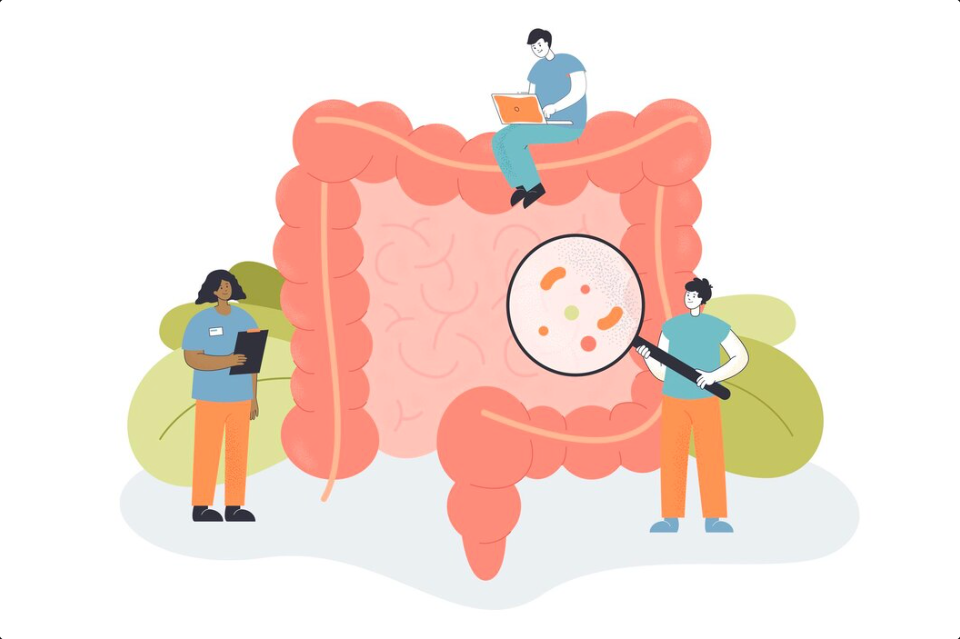
What Are Colon Polyps and Should I Be Worried?
A senior colorectal surgeon in Singapore explains colon polyp types, symptoms, removal, recovery, and the follow-up that pathology determines.

A member of the Colorectal Clinic Associates


Irritable bowel syndrome (IBS) and inflammatory bowel disease (IBD) are both conditions affecting the digestive system, but they differ significantly in causes, symptoms, impact, and treatment. IBS is a functional disorder affecting bowel habits without causing structural damage, while IBD is an inflammatory condition that can lead to serious complications.
This article provides a clear side-by-side comparison to help you understand their differences.
IBS: Symptoms include bloating, cramping, diarrhoea, constipation, or a combination of both. Abdominal pain is often relieved after passing stool, and symptoms can fluctuate over time. IBS does not cause blood in the stool, fever, or long-term digestive damage.
IBD: Symptoms include persistent diarrhoea, abdominal pain, blood in the stool, fatigue, and unintended weight loss. Unlike IBS, IBD can cause fever, joint pain, and eye inflammation due to its systemic inflammatory nature. Symptoms can worsen over time and lead to complications.
IBS: IBS is linked to gut-brain interaction issues, food intolerances, stress, and abnormal gut motility. IBS does not involve immune system dysfunction or inflammation.
IBD: IBD is an autoimmune condition where the immune system mistakenly attacks the gut lining, leading to chronic inflammation. Genetic predisposition, environmental triggers, and gut bacteria imbalances may contribute to its development.
IBS: IBS does not cause visible damage to the intestines. It affects bowel function but does not lead to ulcers, strictures, or long-term digestive complications.
IBD: IBD causes chronic inflammation, which can lead to ulcers, scarring, narrowing of the intestines (strictures), and fistulas (abnormal connections between the intestines and other organs).
IBS: Commonly associated with conditions such as fibromyalgia, chronic fatigue syndrome, and anxiety disorders due to its link with gut-brain interaction.
IBD: May be associated with other autoimmune conditions such as rheumatoid arthritis, psoriasis, or ankylosing spondylitis. Inflammation can also affect the eyes, skin, and joints.
IBS: Diagnosis is based on symptom patterns and the exclusion of other conditions. Stool tests, blood tests, and a colonoscopy may be conducted, but these tests typically show no abnormalities.
IBD: Diagnosis involves blood tests, stool tests, colonoscopy, and imaging studies such as MRI or CT scans. Unlike IBS, these tests may reveal inflammation, ulcers, or structural damage in the digestive tract.
IBS: Treatment focuses on symptom management through dietary adjustments (e.g., low FODMAP diet), stress reduction, probiotics, and medications such as antispasmodics or laxatives. IBS does not require anti-inflammatory or immune-suppressing drugs.
IBD: Treatment aims to control inflammation using medications such as corticosteroids, immunosuppressants, or biologic therapies. In severe cases, surgery may be required to remove damaged sections of the intestine. Unlike IBS, IBD requires long-term medical management.
IBS: Symptoms fluctuate and may persist for years, but IBS does not cause permanent damage to the digestive tract or increase the risk of serious complications.
IBD: IBD is a chronic condition that requires ongoing medical management. If untreated, it can lead to serious complications such as bowel obstruction, fistulas, or an increased risk of colorectal cancer.
IBS: IBS does not increase the risk of colorectal cancer.
IBD: IBD, particularly ulcerative colitis, increases the risk of colorectal cancer over time due to chronic inflammation. Regular monitoring is recommended for patients with long-standing IBD.
If you experience persistent digestive symptoms, it is advisable to seek medical evaluation. Warning signs that require attention include blood in the stool, unexplained weight loss, severe or persistent abdominal pain, and chronic diarrhoea lasting more than a few weeks. Additionally, if your symptoms do not improve despite dietary or lifestyle changes, consulting a doctor can help determine the underlying cause and guide appropriate management.
IBS and IBD share some symptoms, but they are fundamentally different conditions. IBS affects bowel function without causing structural damage, whereas IBD involves chronic inflammation that requires medical treatment. Recognising the differences can help you seek appropriate care.
Schedule a consultation today with an IBS specialist in Singapore to discuss your symptoms and find the right approach for you.

MbChB (Sheffield)
M.Med (Surgery)
FRCSEd (General Surgery)
蘇萊曼·尤索夫博士
Dr. Sulaiman Bin Yusof is a Senior Consultant colorectal and general surgeon in Singapore with over 15 years of specialist experience across public and private practice. Trained in the United Kingdom and awarded a Ministry of Health Fellowship to the Peter MacCallum Cancer Centre in Melbourne, he has built his practice around complex colorectal surgery, with robotic-assisted technique as his primary surgical platform for colectomy and anterior resection.
Patients consult Dr. Sulaiman for his depth of experience in colorectal cancer and perianal conditions, as well as for consultations that are thorough, unhurried, and focused on giving patients a clear understanding of their options.
Dr. Sulaiman holds an MBChB from the University of Sheffield, a Master of Medicine in Surgery (M.Med), and a Fellowship of the Royal Colleges of Surgeons of Edinburgh in General Surgery (FRCSEd). He completed a Ministry of Health Fellowship at the Peter MacCallum Cancer Centre in Melbourne, one of the world’s foremost oncology institutions, serves as a Visiting Consultant at Changi General Hospital and has contributed eight peer-reviewed publications to medical literature.
Dr. Sulaiman served as Director of Endoscopy at Changi General Hospital, overseeing one of Singapore’s busiest endoscopy units, and brings that public-sector depth of experience to his private practice. In this role, he led a high-volume diagnostic endoscopy service encompassing colonoscopy and gastroscopy across a broad and diverse patient population.
Dr. Sulaiman holds concurrent Adjunct Associate Professor appointments at the NUS Yong Loo Lin School of Medicine, Lee Kong Chian School of Medicine, and Duke-NUS Medical School. He has been recognised on the Dean’s Honour Roll for Teaching and received the Singapore Health Quality Service Star Award 2023, reflecting his contribution to both surgical education and clinical care.
Consult Dr. Sulaiman for an accurate diagnosis and a personalised treatment plan today.
6 Napier Road #06-16
Singapore 258499
38 Irrawaddy Road, #10-48/49
Singapore 329563
#05-08, 319 Joo Chiat Place
Singapore 427989
#08-62, Medical Centre D
820 Thomson Road
Singapore 574623
Farrer Park Medical Centre #14-12
1 Farrer Park Station Road
Singapore 217562
A senior colorectal surgeon in Singapore explains colon polyp types, symptoms, removal, recovery, and the follow-up that pathology determines.

How much does piles treatment cost in Singapore? Explore costs for non-surgical and surgery based on MOH benchmarks from private hospital bill data.
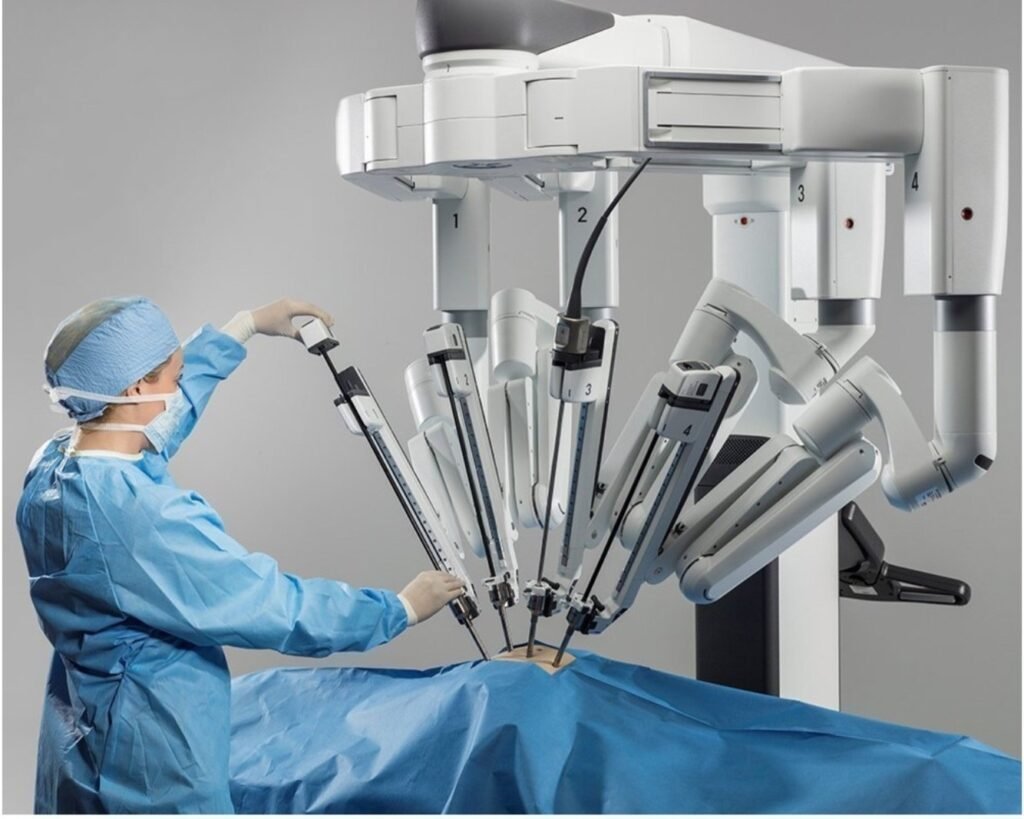
By Dr Sulaiman Yusof, Senior Consultant Colorectal and General SurgeonColorectal Clinic Associates | Singapore For rectal cancer surgery, the challenge is...