
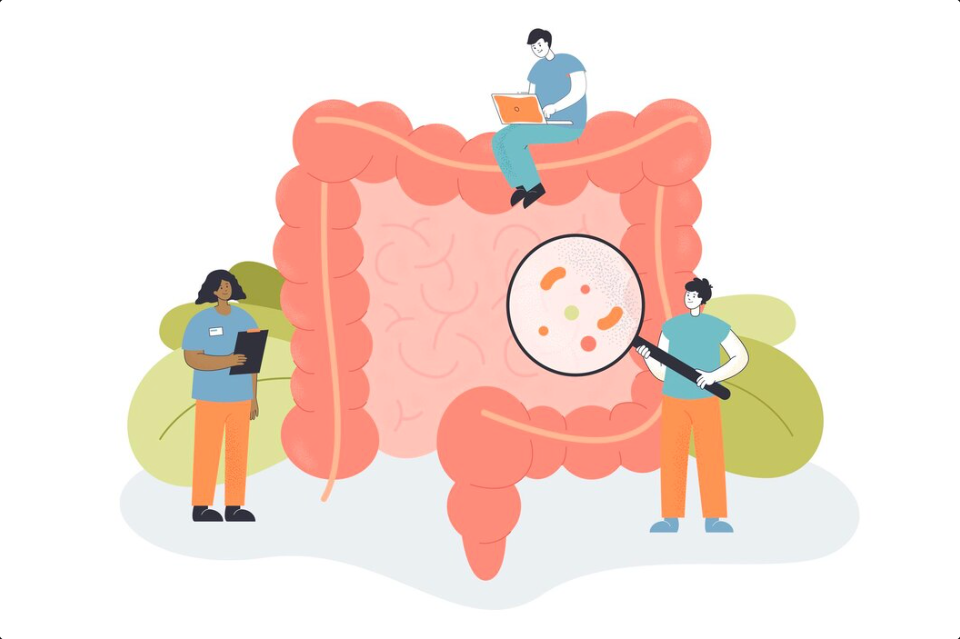
What Are Colon Polyps and Should I Be Worried?
A senior colorectal surgeon in Singapore explains colon polyp types, symptoms, removal, recovery, and the follow-up that pathology determines.

A member of the Colorectal Clinic Associates


Most women who come to see me about haemorrhoids in Singapore have been managing symptoms quietly for months—sometimes years. Whether it’s bleeding after the toilet, discomfort when sitting, or the quiet worry that it might be something more serious, it is almost always treatable. The hardest part, for many patients, is making the first appointment. My goal is to bridge that gap with clear, unhurried, and discreet care.
Haemorrhoids are swollen veins in the lower rectum and anus, which can lead to discomfort, pain, or bleeding. In Singapore, colorectal conditions including haemorrhoids are among the most common reasons patients visit a specialist surgeon, affecting approximately 1 in 3 adults. They are classified based on their location and characteristics.
Internal Haemorrhoids
Found inside the rectum, these may cause painless bleeding during bowel movements. In some cases, they may prolapse and protrude outside the anus, leading to irritation or mild pain.
External Haemorrhoids
Located under the skin around the anus, these are often associated with pain, swelling, and itching. They may also cause bleeding if irritated.
Thrombosed Haemorrhoids
These occur when a clot forms in an external haemorrhoid, resulting in significant pain and swelling. They often present as a hard lump near the anus.
Various factors can contribute to the development of haemorrhoids in women, including those related to specific life stages and physiological changes.
Pregnancy and Childbirth
Hormonal changes during pregnancy increase blood flow and weaken vein walls, making them more susceptible to swelling. The growing uterus exerts additional pressure on the pelvic veins, and the strain from vaginal delivery can exacerbate the development of haemorrhoids.
Menstrual Cycle
Hormonal fluctuations during the menstrual cycle may temporarily increase vascular pressure, leading to haemorrhoid symptoms in some women, particularly during periods of constipation or bloating.
Post-Menopausal Changes
Hormonal changes after menopause reduce the elasticity of blood vessels and weaken the supportive tissues in the rectal area, making haemorrhoids more likely as women age.
In addition to the female-specific causes, several general lifestyle and health factors can contribute to haemorrhoids in both men and women.
Sedentary Lifestyle
Long hours of sitting, whether due to work or other activities, increase pressure on the rectal veins and can lead to haemorrhoid development.
Chronic Constipation or Diarrhoea
Frequent straining during bowel movements, whether due to chronic constipation, irritation from persistent diarrhoea, or other factors, places significant pressure on the rectal veins, which can lead to the development or worsening of haemorrhoids.
Obesity
Excess body weight places additional pressure on the pelvic veins, raising the likelihood of developing haemorrhoids.
Family History
A tendency to develop haemorrhoids can run in families, as some people may inherit weaker vein walls, making them more likely to experience the condition.
Ageing
Over time, the tissues supporting the rectal and anal veins may weaken, making haemorrhoids more common in older adults.
Recognising the symptoms of haemorrhoids is key to seeking timely care. Symptoms can vary based on the type and severity of haemorrhoids.
Symptoms of Internal Haemorrhoids
Painless bleeding during bowel movements is a common symptom, with blood often noticed on toilet paper or in the stool. If the haemorrhoid prolapses, it may cause irritation, itching, or mild discomfort.
Symptoms of External Haemorrhoids
These may cause swelling and tenderness around the anus. Pain during activities such as sitting or bowel movements is common, along with a persistent itching or burning sensation.
Symptoms of Thrombosed Haemorrhoids
Severe pain and noticeable swelling near the anus are key symptoms. A thrombosed haemorrhoid may appear as a hard lump and can sometimes have a bluish or purplish hue due to the presence of a blood clot.
Other Notable Symptoms
Mucus discharge from the anus and a persistent feeling of incomplete bowel evacuation are less common but notable symptoms of haemorrhoids. These issues can cause further discomfort and irritation, especially if combined with frequent wiping or inflammation.
In my clinical experience, many women—especially post-partum—suffer from symptoms that aren’t purely caused by internal haemorrhoids. It is very common to see a combination of mild mucosal prolapse and haemorrhoidal prolapse associated with skin tags.
These aren’t just cosmetic concerns; they cause a range of symptoms including anal lumps, itching, irritation, and even bleeding. This often occurs without significant internal haemorrhoid involvement, or as a combination of both.
The most effective treatment for skin tags with mucosal prolapse is surgical excision. If internal haemorrhoids are also present, both can be treated concurrently during a single procedure to ensure a complete recovery.
Unsure if your symptoms are piles or skin tags? Start a discreet conversation with Dr. Sulaiman’s team via WhatsApp.
WhatsApp Dr. Sulaiman’s ClinicCertain symptoms warrant prompt medical evaluation to rule out complications and ensure appropriate treatment.
Heavy or Persistent Bleeding
Ongoing bleeding can lead to anaemia and should be assessed to confirm it is caused by haemorrhoids and not another condition.
Severe Pain or Swelling
Intense discomfort, particularly with thrombosed haemorrhoids, may require immediate care to prevent worsening symptoms.
Signs of Infection
Symptoms like fever, redness, or pus discharge around the anus may indicate an infection and should be addressed urgently.
Simple adjustments can lower the likelihood of haemorrhoids and improve overall rectal health.
Dietary Changes
In Singapore, where hawker food can be low in fibre, constipation is a common driver of haemorrhoids. Simple swaps—adding leafy vegetables to your economy rice, choosing brown rice where available, or starting the day with fruit rather than kaya toast—can make a meaningful difference in long-term bowel health. Drinking plenty of water also softens stools and supports regular bowel movements.
Physical Activity
Regular exercise supports healthy digestion and reduces pressure on rectal veins. Avoiding prolonged sitting or standing is also beneficial.
Healthy Bowel Habits
Responding promptly to the urge to defecate and avoiding straining during bowel movements can reduce stress on the rectal veins. Using the toilet for shorter periods can also help prevent irritation.
Yes. Haemorrhoid surgery, including haemorrhoidectomy and rubber band ligation performed as a day surgery or inpatient procedure, is Medisave-claimable in Singapore. The claimable amount depends on the specific procedure and table of surgical procedures. Dr. Sulaiman’s clinic can provide a detailed cost estimate and assist with Medisave claims.
Most haemorrhoids during pregnancy are managed conservatively with dietary changes, topical treatments, and sitz baths. Surgical intervention is generally deferred until after delivery unless there is a medical emergency such as a severely thrombosed haemorrhoid. Post-partum, treatment options including rubber band ligation or surgical excision can be safely considered.
Anal skin tags are small, soft folds of skin around the anus, often left behind after a resolved external haemorrhoid or pregnancy. Piles (haemorrhoids) are swollen blood vessels inside or outside the rectum. Both can cause discomfort and itching, but skin tags are not vascular and do not bleed on their own. In many post-partum women, both conditions coexist and can be treated together.
Recovery varies by procedure. Rubber band ligation typically requires minimal downtime—1 to 2 days. A conventional haemorrhoidectomy may require 1 to 2 weeks of recovery, with most patients returning to normal activities within 2 to 3 weeks. Dr. Sulaiman provides detailed post-operative care instructions tailored to each patient’s procedure.
You should consult a colorectal specialist in Singapore if you experience persistent bleeding, recurrent prolapse, symptoms lasting more than a week despite home treatment, or if you are unsure whether your symptoms are caused by haemorrhoids or another condition. Early specialist assessment can rule out more serious conditions and provide targeted treatment.
Haemorrhoids in women can arise from a combination of physiological changes, lifestyle factors, and age-related issues. Recognising the causes and symptoms early allows for effective management, preventing complications and improving comfort. Treatment options in Singapore range from rubber band ligation for mild cases to haemorrhoidectomy for more advanced haemorrhoids.
If you are experiencing symptoms that may indicate haemorrhoids, schedule a consultation with Dr. Sulaiman today to receive personalised advice and treatment in Singapore.

MbChB (Sheffield)
M.Med (Surgery)
FRCSEd (General Surgery)
蘇萊曼·尤索夫博士
Dr. Sulaiman Bin Yusof is a Senior Consultant colorectal and general surgeon in Singapore with over 15 years of specialist experience across public and private practice. Trained in the United Kingdom and awarded a Ministry of Health Fellowship to the Peter MacCallum Cancer Centre in Melbourne, he has built his practice around complex colorectal surgery, with robotic-assisted technique as his primary surgical platform for colectomy and anterior resection.
Patients consult Dr. Sulaiman for his depth of experience in colorectal cancer and perianal conditions, as well as for consultations that are thorough, unhurried, and focused on giving patients a clear understanding of their options.
Dr. Sulaiman holds an MBChB from the University of Sheffield, a Master of Medicine in Surgery (M.Med), and a Fellowship of the Royal Colleges of Surgeons of Edinburgh in General Surgery (FRCSEd). He completed a Ministry of Health Fellowship at the Peter MacCallum Cancer Centre in Melbourne, one of the world’s foremost oncology institutions, serves as a Visiting Consultant at Changi General Hospital and has contributed eight peer-reviewed publications to medical literature.
Dr. Sulaiman served as Director of Endoscopy at Changi General Hospital, overseeing one of Singapore’s busiest endoscopy units, and brings that public-sector depth of experience to his private practice. In this role, he led a high-volume diagnostic endoscopy service encompassing colonoscopy and gastroscopy across a broad and diverse patient population.
Dr. Sulaiman holds concurrent Adjunct Associate Professor appointments at the NUS Yong Loo Lin School of Medicine, Lee Kong Chian School of Medicine, and Duke-NUS Medical School. He has been recognised on the Dean’s Honour Roll for Teaching and received the Singapore Health Quality Service Star Award 2023, reflecting his contribution to both surgical education and clinical care.
Consult Dr. Sulaiman for an accurate diagnosis and a personalised treatment plan today.
6 Napier Road #06-16
Singapore 258499
38 Irrawaddy Road, #10-48/49
Singapore 329563
#05-08, 319 Joo Chiat Place
Singapore 427989
#08-62, Medical Centre D
820 Thomson Road
Singapore 574623
Farrer Park Medical Centre #14-12
1 Farrer Park Station Road
Singapore 217562
A senior colorectal surgeon in Singapore explains colon polyp types, symptoms, removal, recovery, and the follow-up that pathology determines.
How much does piles treatment cost in Singapore? Explore costs for non-surgical and surgery based on MOH benchmarks from private hospital bill data.
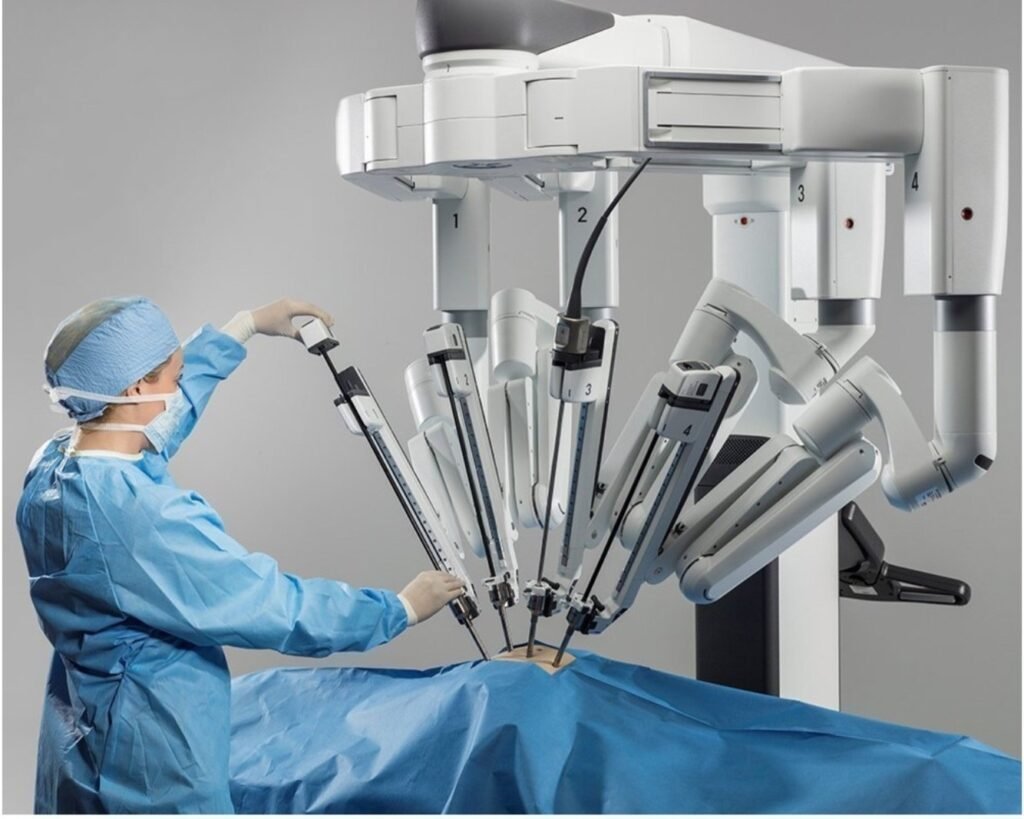
By Dr Sulaiman Yusof, Senior Consultant Colorectal and General SurgeonColorectal Clinic Associates | Singapore For rectal cancer surgery, the challenge is...