
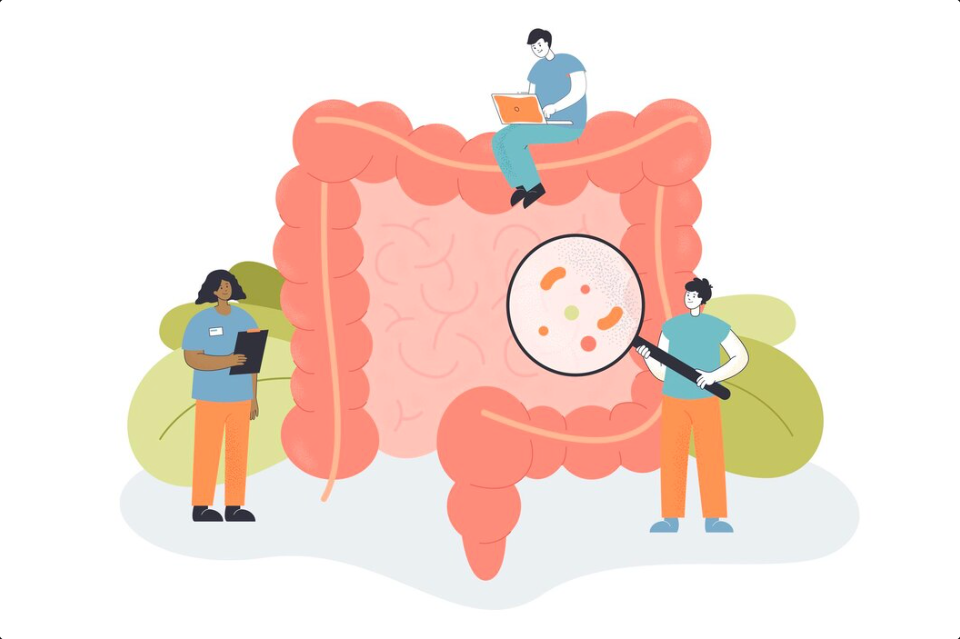
What Are Colon Polyps and Should I Be Worried?
A senior colorectal surgeon in Singapore explains colon polyp types, symptoms, removal, recovery, and the follow-up that pathology determines.

A member of the Colorectal Clinic Associates


Blood in stool is a symptom that can be alarming, but it is not always a sign of a serious health issue. It may result from minor conditions or indicate something that requires medical attention. This article examines the potential reasons, diagnostic steps, and treatment options, helping individuals take informed action to address this symptom.
The appearance of blood in stool often provides valuable clues about its origin. Whether the blood is bright red or dark and tarry, it can suggest different underlying conditions.
Bright Red Blood (Hematochezia)
Bright red blood often signals bleeding in the lower gastrointestinal (GI) tract, such as the rectum or colon. This type of bleeding may be associated with haemorrhoids, anal fissures, or other conditions affecting the lower bowel.
Dark Tarry Stool (Melena)
Melena, characterised by black, sticky stools, typically indicates bleeding in the upper GI tract, such as the stomach or small intestine. The dark colour results from blood undergoing digestion as it moves through the intestines.
Several conditions can lead to blood in stool. While some are minor and manageable, others may require medical intervention.
Haemorrhoids
These are swollen blood vessels in the rectum or anus, often caused by straining during bowel movements. Haemorrhoids may produce bright red blood that coats the stool or is visible on toilet paper. Treatments include dietary changes, topical creams, or in some cases, minor surgical procedures.
Anal Fissures
Small tears in the lining of the anus often result from passing hard stools. These are typically associated with pain during bowel movements and bright red bleeding. Fissures can usually heal with stool softeners.
Gastrointestinal Infections
Certain bacterial or viral infections, such as those caused by E. coli or Salmonella, can irritate the digestive tract and lead to blood in stool. These infections may also cause diarrhoea, abdominal pain, and fever, requiring antimicrobial treatment in severe cases.
Diverticular Disease
Diverticula are small pouches that form in the walls of the colon. When they become inflamed or bleed, it can lead to visible blood in stool. Management ranges from dietary adjustments to surgery in severe cases.
While some causes are benign, others may indicate more serious health conditions that necessitate thorough evaluation.
Colorectal Cancer
Blood in stool can be an early symptom of colorectal cancer, particularly if accompanied by weight loss, changes in bowel habits, or unexplained fatigue. Screening through colonoscopy is a key method for detecting and addressing this condition early.
Inflammatory Bowel Disease (IBD)
Conditions such as Crohn’s disease and ulcerative colitis can lead to inflammation and ulcers in the digestive tract, resulting in blood in stool. Symptoms often include abdominal pain, diarrhoea, and weight loss, with treatment focusing on managing inflammation.
Angiodysplasia
This condition involves abnormal blood vessels in the colon, which can rupture and bleed, especially in older adults. Diagnosis may require colonoscopy, and treatment can include cauterisation or medication to reduce bleeding.
Polyps and Precancerous Lesions
Polyps in the colon may occasionally bleed, serving as a warning sign for potential progression to cancer. Regular screenings can help identify and remove polyps before complications arise.
Diagnosing the cause of blood in stool involves a combination of evaluations, diagnostic procedures, and laboratory tests to pinpoint the source and severity of the issue.
Initial Assessment
Symptoms, changes in bowel habits, and risk factors are evaluated to determine potential causes. A digital rectal examination may help identify issues such as haemorrhoids or fissures.
Diagnostic Procedures
A colonoscopy provides a detailed view of the colon and rectum, helping to locate sources of bleeding such as polyps, ulcers, or cancer. Imaging techniques such as CT colonography or MRI may be used if further assessment is required.
Laboratory Tests
Tests such as faecal occult blood tests, stool cultures, or blood tests can detect infections, inflammation, or anaemia resulting from ongoing blood loss.
The treatment for blood in stool is guided by the underlying cause and severity of the condition. Options range from lifestyle changes and medication to surgical interventions for more serious cases.
Dietary and Lifestyle Adjustments
Increasing dietary fibre through fruits, vegetables, and whole grains helps soften stools, making bowel movements easier and reducing irritation to haemorrhoids or fissures. Staying adequately hydrated also prevents constipation, which can exacerbate these issues. Additionally, avoiding prolonged sitting on the toilet and straining during bowel movements can promote healing and prevent recurrence.
Medications
Depending on the diagnosis, various medications may be prescribed. Anti-inflammatory drugs, such as aminosalicylates or corticosteroids, are commonly used to manage inflammatory bowel diseases like Crohn’s disease or ulcerative colitis. Antibiotics may be required for bacterial infections causing gastrointestinal bleeding. Stool softeners or laxatives can alleviate constipation, helping to reduce strain and prevent further injury to the anal or rectal tissues.
Surgical Interventions
Surgical procedures may be necessary for severe or persistent cases. Colorectal cancer often requires tumour removal, with additional therapies like chemotherapy or radiation based on the stage of the disease. For recurrent bleeding from diverticular disease or angiodysplasia, surgical repair or resection of the affected area may be performed. Specialised techniques, including minimally invasive laparoscopic or robotic surgery, are often employed to reduce recovery times and improve outcomes.
Certain symptoms associated with blood in stool indicate the need for urgent medical care. Severe or continuous bleeding, especially if accompanied by dizziness or fainting, may point to a critical condition requiring immediate attention.
Signs of potential shock, such as rapid heart rate, confusion, or a significant drop in blood pressure, are medical emergencies that warrant prompt evaluation. Additionally, severe abdominal pain or high fever alongside blood in stool may suggest infections or complications like a perforated ulcer, necessitating urgent treatment.
Adopting healthy habits and prioritising preventative care can help reduce the risk of blood in stool and related conditions. Regular screenings, such as colonoscopies, are effective for identifying and addressing issues like polyps or early-stage colorectal cancer. A diet rich in fruits, vegetables, and whole grains, paired with regular physical activity, promotes overall digestive health. Additionally, avoiding smoking and moderating alcohol consumption lowers the risk of bleeding-related complications and supports long-term colon health.
Blood in stool can stem from a variety of causes, each requiring tailored evaluation and management. Whether the issue is minor or more complex, addressing it promptly can prevent complications and improve overall health.
If you notice blood in your stool, schedule a consultation promptly to explore potential causes and suitable treatment options.

MbChB (Sheffield)
M.Med (Surgery)
FRCSEd (General Surgery)
蘇萊曼·尤索夫博士
Dr. Sulaiman Bin Yusof is a Senior Consultant colorectal and general surgeon in Singapore with over 15 years of specialist experience across public and private practice. Trained in the United Kingdom and awarded a Ministry of Health Fellowship to the Peter MacCallum Cancer Centre in Melbourne, he has built his practice around complex colorectal surgery, with robotic-assisted technique as his primary surgical platform for colectomy and anterior resection.
Patients consult Dr. Sulaiman for his depth of experience in colorectal cancer and perianal conditions, as well as for consultations that are thorough, unhurried, and focused on giving patients a clear understanding of their options.
Dr. Sulaiman holds an MBChB from the University of Sheffield, a Master of Medicine in Surgery (M.Med), and a Fellowship of the Royal Colleges of Surgeons of Edinburgh in General Surgery (FRCSEd). He completed a Ministry of Health Fellowship at the Peter MacCallum Cancer Centre in Melbourne, one of the world’s foremost oncology institutions, serves as a Visiting Consultant at Changi General Hospital and has contributed eight peer-reviewed publications to medical literature.
Dr. Sulaiman served as Director of Endoscopy at Changi General Hospital, overseeing one of Singapore’s busiest endoscopy units, and brings that public-sector depth of experience to his private practice. In this role, he led a high-volume diagnostic endoscopy service encompassing colonoscopy and gastroscopy across a broad and diverse patient population.
Dr. Sulaiman holds concurrent Adjunct Associate Professor appointments at the NUS Yong Loo Lin School of Medicine, Lee Kong Chian School of Medicine, and Duke-NUS Medical School. He has been recognised on the Dean’s Honour Roll for Teaching and received the Singapore Health Quality Service Star Award 2023, reflecting his contribution to both surgical education and clinical care.
Consult Dr. Sulaiman for an accurate diagnosis and a personalised treatment plan today.
6 Napier Road #06-16
Singapore 258499
38 Irrawaddy Road, #10-48/49
Singapore 329563
#05-08, 319 Joo Chiat Place
Singapore 427989
#08-62, Medical Centre D
820 Thomson Road
Singapore 574623
Farrer Park Medical Centre #14-12
1 Farrer Park Station Road
Singapore 217562
A senior colorectal surgeon in Singapore explains colon polyp types, symptoms, removal, recovery, and the follow-up that pathology determines.

How much does piles treatment cost in Singapore? Explore costs for non-surgical and surgery based on MOH benchmarks from private hospital bill data.
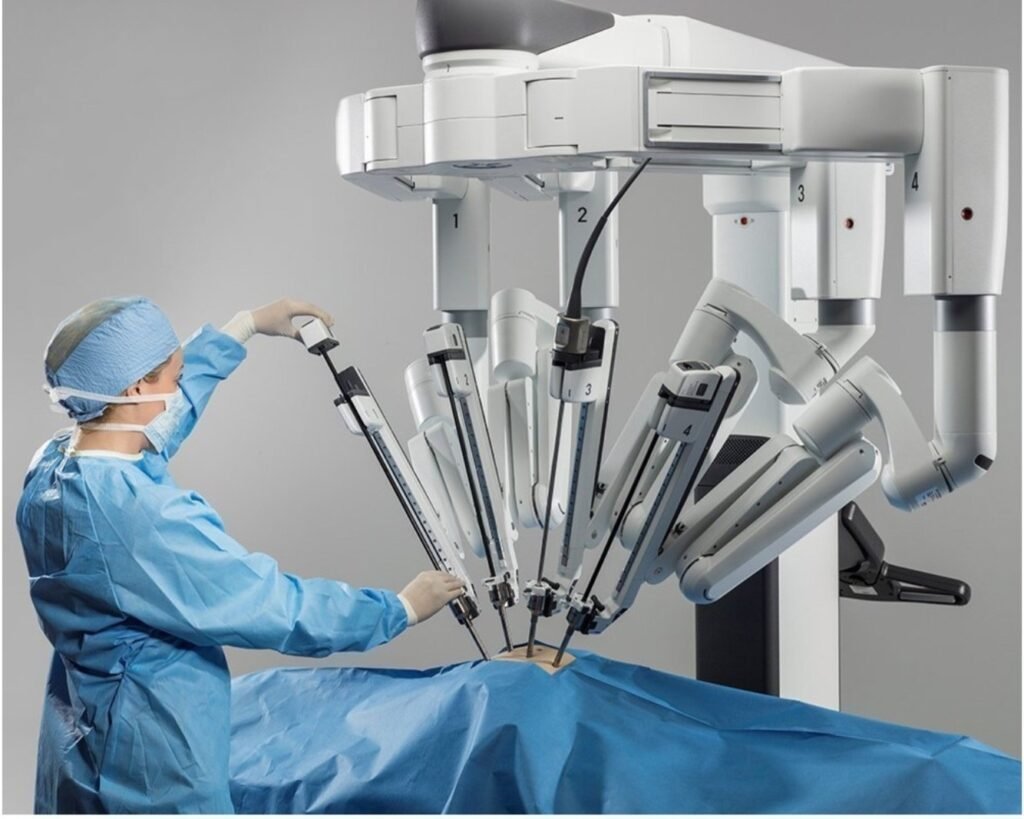
By Dr Sulaiman Yusof, Senior Consultant Colorectal and General SurgeonColorectal Clinic Associates | Singapore For rectal cancer surgery, the challenge is...