


The Great Irony: Choosing Major Surgery Over a 15-Minute Colonoscopy
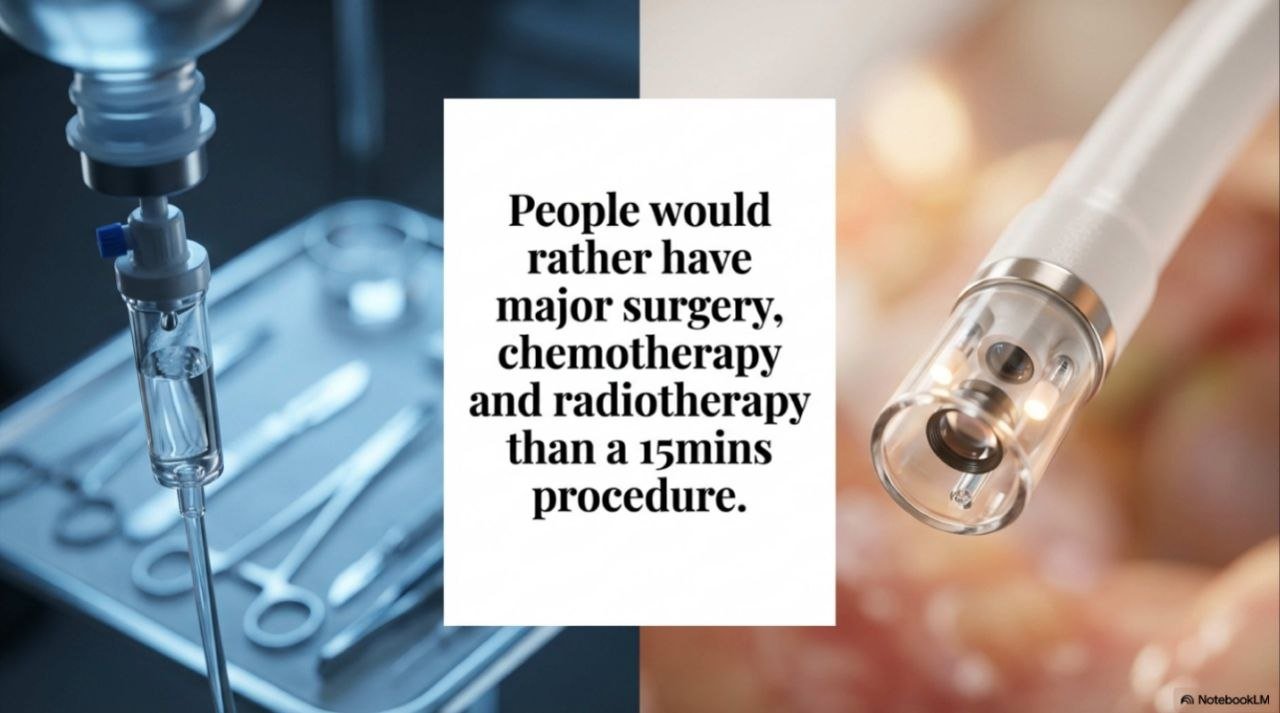
Most people would say an emphatic “no” if asked whether they would voluntarily choose to undergo major surgery, endure months of chemotherapy, and face the grueling side effects of radiotherapy. It sounds ridiculous to even pose the question. Yet, by avoiding a simple 15-minute colonoscopy, that is exactly the choice many people are potentially making without even realising it.
As a colorectal surgeon in Singapore, I see this paradox play out in my clinic every single week. Patients often delay or refuse screening out of fear or inconvenience, only to return years later when their condition has progressed to a stage where aggressive, life-altering treatments are the only remaining options. It is time we change the narrative around colorectal cancer screening and recognize the incredible power of early detection.
The Silent Epidemic: Colorectal Cancer in Singapore
Colorectal cancer is currently the most common cancer affecting both men and women in Singapore. What was once considered a disease of the elderly is now increasingly diagnosed in younger populations. Even more alarming is the fact that it is now the leading cause of cancer-associated deaths in patients under the age of 50.
These statistics are sobering, but they do not tell the whole story. The tragedy of colorectal cancer is that it is largely preventable. Unlike many other forms of cancer that strike without warning and grow rapidly, colorectal cancer typically develops slowly over several years, beginning as a small, non-cancerous growth called a polyp. This slow progression is our window of opportunity.
Why Do We Avoid the Scope?
If a colonoscopy in Singapore is such a powerful preventive tool, why do so many people actively avoid it? In my practice, the reluctance usually boils down to three main factors:
1. The Fear of Pain and Discomfort
Many patients imagine a colonoscopy to be a painful, invasive ordeal. In reality, the procedure is performed under sedation. You will be asleep, feeling no pain, and will likely wake up with no memory of the procedure itself. The actual scoping takes only about 15 to 30 minutes.
2. Embarrassment and Vulnerability
Discussing bowel habits and undergoing an examination of the colon can understandably make people feel vulnerable. However, it is crucial to remember that for medical professionals, this is our daily routine. Our clinics are designed to ensure your utmost privacy, dignity, and comfort at every step of the journey.
3. The Inconvenience of Bowel Preparation
The bowel preparation—drinking a laxative solution to clear the colon the day before—is often cited as the most unpleasant part of the process. While it is certainly not a glamorous evening, modern preparation solutions have improved significantly in taste and volume. One night of frequent bathroom trips is a minuscule price to pay for years of peace of mind.
What Happens When We Wait Too Long?
When a precancerous polyp is left undetected, it continues to grow. Over time, the cells within the polyp can mutate and become malignant. By the time symptoms appear—such as blood in the stool, unexplained weight loss, or persistent changes in bowel habits—the cancer has often advanced significantly.
Treating advanced colorectal cancer is a complex and arduous journey. It typically involves removing a portion of the colon (resection surgery), and may require a temporary or permanent stoma bag. This is frequently followed by systemic treatments like chemotherapy and radiotherapy, which carry significant side effects including severe fatigue, nausea, and weakened immunity.
This brings us back to the great irony: the very people who avoid a colonoscopy because they fear a minor medical procedure often end up having to endure the most intensive medical interventions imaginable.
The Case for Early Screening: A Choice and a Chance
Colorectal cancer is unique because it actually gives you ample time for detection and prevention. Through a simple scope, medical professionals can examine the entire inner lining of your colon. If we find a precancerous polyp, we do not just observe it—we remove it right then and there during the same procedure. By removing the polyp, we effectively prevent the cancer from ever developing in the first place.
It is not every day that cancer gives you a chance and a choice to stop it in its tracks. A colonoscopy is not just a diagnostic tool; it is a therapeutic intervention that can save your life. If you are aged 50 or older, or if you have a family history of colorectal cancer or other risk factors, you should be screening regularly.
Do not let fear, embarrassment, or a busy schedule rob you of your health. The momentary inconvenience of a colonoscopy pales in comparison to the toll of fighting advanced cancer.
Remove the cloud of uncertainty. Get a definitive answer with Dr Sulaiman — book your scope today.
